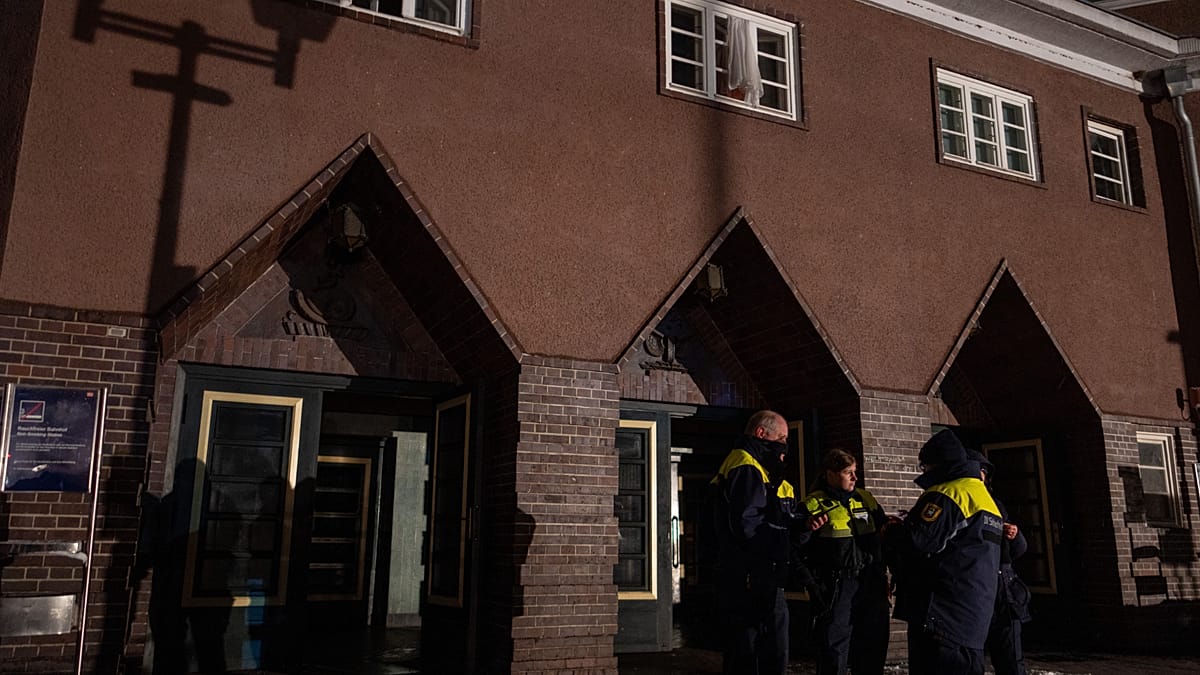
A suspected politically motivated arson attack on a cable bridge over the Teltow Canal near Berlin's Lichterfelde power plant has cut electricity to roughly 45,000 households and 2,200 businesses across four districts; authorities say the attack was linked to left-wing extremists and a claim by the anarchist 'Volcano Group' is being verified. Partial restorations left about 35,000 customers without power until Thursday amid snowy, freezing conditions that are slowing repairs, prompting emergency shelters and local service disruptions to heating and internet. The incident — following a similar September attack that affected ~50,000 customers for about 60 hours — highlights elevated operational and political risk to urban energy infrastructure.
Market structure: The immediate winners are regulated network operators and grid-equipment suppliers (in Germany: E.ON EOAN.DE, Siemens Energy ENR.DE) plus short-term power traders; losers are local businesses, SMEs and any businesses with single-source local grid/telecom dependency. Expect week-to-week upward pressure on German spot power (Phelix) and TTF-linked gas, modest widening of insurer credit spreads, a knee-jerk bid for Bunds (yields down) and slight EUR weakness; equity volatility for regional utilities will spike 20–40% IV short-term.
Risk assessment: Tail risks include copycat coordinated attacks causing multi-day national outages, triggering regulatory emergency tariffs and large insured losses; probability low but systemic impact high. Time horizons: days — spot power/volatility moves; weeks — outage repair & headline risk; quarters+ — regulatory capex and tariff resets. Hidden dependencies: telecoms, heating fuel mix and interconnectors; catalysts include confirmed perpetrator, arrests or regulatory filings mandating grid hardening.
Trade implications: Short-dated power longs (week-ahead Phelix) and selective long exposure to regulated network owners are immediate plays; buy 1–3 month call spreads on grid-equipment names to play capex reacceleration. Use options to express tactical risk (buy calls/call spreads) while buying tail protection on insurers/reinsurers if IV rises; avoid large directional bets on broad Eurozone risk from this localized event.
Contrarian angles: The market may overreact by selling all utilities; reality: regulated network revenue is sticky and likely to benefit from accelerated capex and cost-pass-through over 6–24 months. Historical parallels (localized UK/DE grid attacks) showed political will to fund resilience — look for 10–25% upside in underowned grid operators once a policy response is signaled. Monitor 30–60 day regulatory/insurance filings for inflection.
AI-powered research, real-time alerts, and portfolio analytics for institutional investors.
Request DemoOverall Sentiment
moderately negative
Sentiment Score
-0.30
