



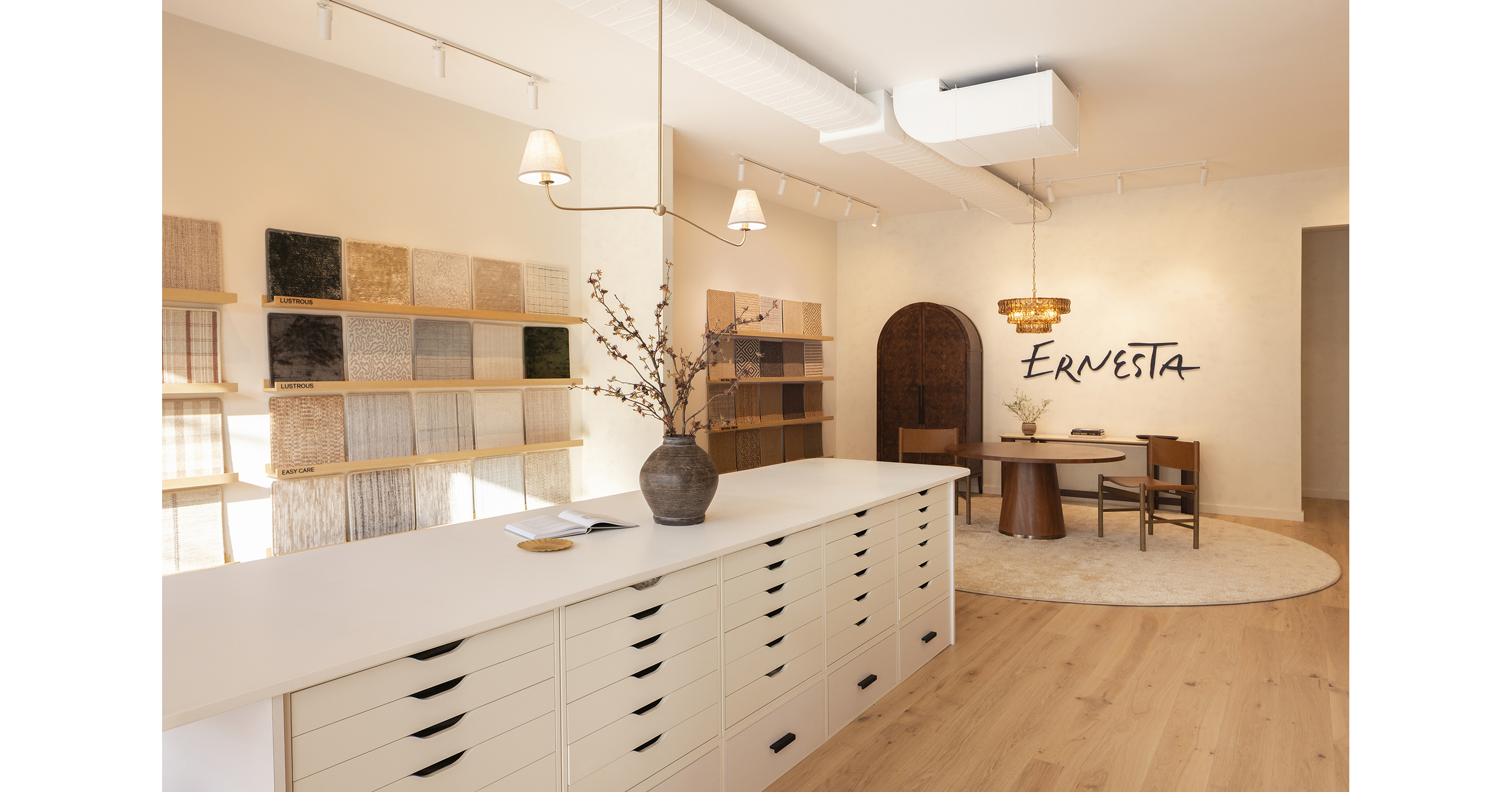
Ernesta plans 10 new showroom openings in 10 months, adding locations across Dallas, Charlotte, Philadelphia, the Washington D.C. area, metropolitan Detroit and Long Island, with additional stores in Atlanta, Chicago, Los Angeles and the San Francisco Bay Area. The company attributes the rollout to strong demand from homeowners and interior designers seeking an in-person experience alongside its custom online ordering. The expansion is also intended to strengthen local installation capabilities (e.g., stair runners and hallway runners), supporting deeper market relationships.
This reads less like a category breakout than a signal that premium home hardlines can still justify physical-network economics when the product is highly tactile and customized. The second-order winner is any retailer that can combine digital discovery with in-person conversion and installation attachment; that tends to favor omnichannel operators with affluent customers and hurt pure e-commerce players whose return rates and sampling friction stay high. The real economic question is whether the showrooms lift conversion enough to offset fixed occupancy and staffing costs; if not, expansion becomes a vanity growth story rather than a margin lever.
The more interesting implication is not top-line acceleration but mix shift: local showrooms can turn one-off rug sales into higher-ticket projects that include measuring, stair runners, and installation. That raises average order value and should improve customer stickiness, but it also creates a service layer that can dilute gross margin if labor and installer quality are inconsistent. Over 1-3 months, the stock-market read-through is likely muted; over 6-18 months, the key variable is whether omnichannel design services become a defensible moat or just a copyable feature.
Contrarian take: the consensus may overrate demand elasticity here. Premium home decor is still tied to housing turnover and discretionary renovation budgets; if rates stay sticky, showroom traffic can rise while conversion quality weakens. The falsifier is not foot traffic, but whether new locations produce higher repeat rates, lower return rates, and positive contribution margins within 2-3 quarters. Any miss on that would imply the expansion is pulling forward fixed costs rather than building durable share.
AI-powered research, real-time alerts, and portfolio analytics for institutional investors.
Request TrialOverall Sentiment
mildly positive
Sentiment Score
0.25
Ticker Sentiment
