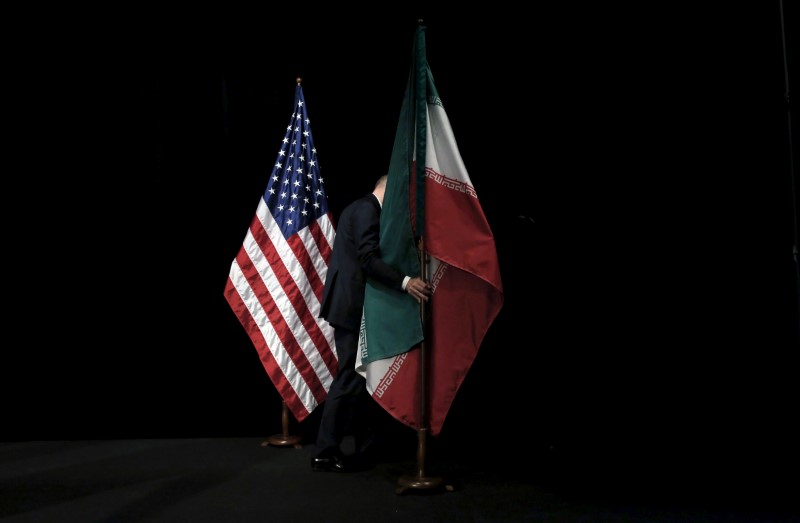
BofA says a potential U.S.-Iran peace deal could keep WTI crude in the $80-$90 range, which it sees as the most hawkish setup for the Fed because it could add a few tenths to core PCE without materially hurting growth. The note argues that such an outcome may reduce the odds of Fed rate cuts, despite Treasury markets pricing in relief on the news. BofA left its Q2 GDP tracking estimate at 2.7% SAAR and its official forecast at 2.5%, with final sales at 2.4% and personal consumption at 2.6%.
The market is likely overestimating how much a geopolitical de-escalation helps duration. A lower risk premium in crude that leaves prices in the inflation-sensitive mid-$80s is actually a worse mix for Treasuries than a sharp collapse in oil, because it preserves the Fed’s ability to keep policy restrictive while removing the labor-market downside that would justify cuts. In other words, the path that feels “good” for risk assets may be the most awkward for front-end rates: less tail risk, but not enough disinflation to force easing.
The second-order implication is that the cleanest beneficiary is not bonds but rate-sensitive equities that can absorb a modest input-cost shock and still benefit from fewer recession odds. Energy equities may underperform the headline move in crude if the market interprets the deal as removing the geopolitical risk premium, but integrateds and large-cap producers remain relatively insulated because the issue is not absolute oil prices, it’s the persistence of a high-floor regime. The bigger loser is assets priced for a faster Fed pivot — short duration, quality-growth, and mortgage proxies are vulnerable if oil stabilizes rather than breaks lower.
The GDP and activity data argue against an imminent growth scare that would rescue bonds from this setup. If growth is still running above trend, the Fed can tolerate a few tenths of core inflation pass-through from energy, which reduces the probability of cuts but does not necessarily create an urgency for hikes unless oil stays elevated for months. The market is likely front-running a dovish macro narrative off a single geopolitical headline, while the more durable trade is that inflation breakevens stay sticky and real yields remain pressured.
The contrarian view is that the deal’s impact may be fleeting if it simply swaps one risk premium for another: any evidence of implementation failure, sanctions frictions, or retaliatory supply disruptions would reintroduce the tail risk and could drive a fast reversal in both oil and rates. The better trade is to position for volatility compression in crude rather than a directional collapse, because the macro regime still rewards an oil price that is high enough to matter but not high enough to break growth.
AI-powered research, real-time alerts, and portfolio analytics for institutional investors.
Request DemoOverall Sentiment
neutral
Sentiment Score
-0.05
Ticker Sentiment
