
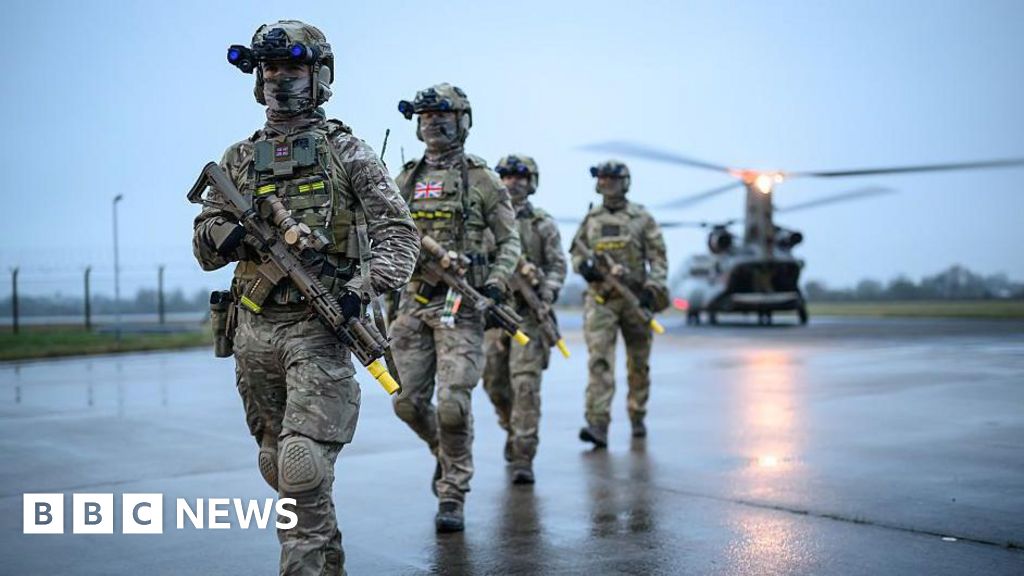
The UK faces a reported £28bn Ministry of Defence funding shortfall over the next four years, alongside criticism that defence planning has been delayed and the armed forces remain underprepared. Defence spending is set to rise to 2.5% of national income next year, but the article says Britain has already fallen from 4th to 14th among NATO defence spenders since 2020. The piece highlights rising threats from Russia, Iran and China, and growing pressure on the government to deliver a credible 10-year defence investment plan.
The market implication is less about headline budget uplift and more about procurement bottlenecks: when a government shifts from debate to execution, the first beneficiaries are usually prime contractors with backlog already in hand, followed by specialist electronics, munitions, and maintenance suppliers as inventory replenishment accelerates. The bigger second-order effect is on domestic industrial policy—if the UK is forced to prioritize sovereign capacity, expect a tilt toward local content, which can compress margins for offshore suppliers but improve visibility for UK primes and selected mid-caps over a 12-24 month horizon.
Near term, the main risk is not a sudden collapse in defense demand but a further slippage in decision-making. Delays of even one or two quarters matter because they push awards beyond the current budgeting cycle, raising the chance that inflation, FX, and wage costs eat more of the eventual envelope. A more serious tail risk is that the funding gap forces a smaller number of larger “platform” purchases at the expense of munitions, air defense, and cyber—areas with better near-term urgency and higher recurring revenue quality.
The underappreciated trade is that this is as much a fiscal credibility story as a defense one. If the UK keeps signaling higher commitments without a clean funding path, gilt duration risk can re-price on the margin, particularly at the long end where investors care about multi-year spending discipline rather than one-off announcements. Conversely, a credible multi-year plan could support sentiment in domestic defense names and reduce the discount rate applied to public-sector-related infrastructure beneficiaries.
Consensus is probably underestimating how much of this spending will be absorbed by backlog catch-up and stock rebuild before it becomes visible in new capacity or earnings acceleration. That means the first leg is likely less explosive than bulls expect, but the second leg—if NATO targets harden and Europe sustains rearmament—could be more durable than a typical headline trade. In other words, this is a slow-burn compounder setup, not a one-day event risk.
AI-powered research, real-time alerts, and portfolio analytics for institutional investors.
Request TrialOverall Sentiment
moderately negative
Sentiment Score
-0.45
Ticker Sentiment
