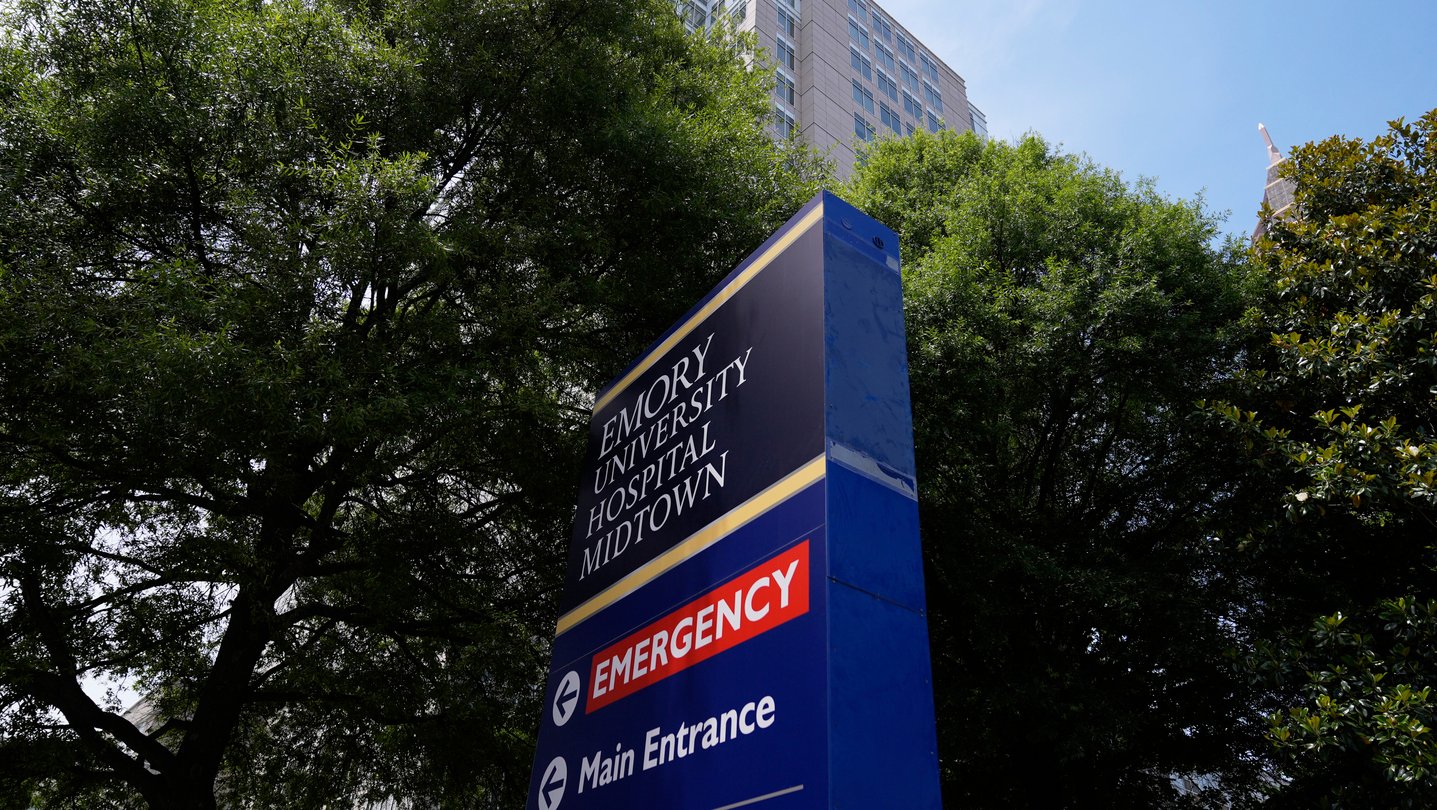
Two cruise ship passengers with hantavirus have been transported to Emory University Hospital’s serious communicable diseases unit in Atlanta, though Georgia health officials say there is no risk to the public at this time. The outbreak has already been linked to at least three deaths, including a 70-year-old Dutch man, his wife, and a German passenger. The incident is a negative health event, but the article is primarily a public-health update with limited market impact.
This is a contained health event with limited direct market impact, but the second-order effect is a small, near-term risk premium across cruise, airline, and travel-heavy leisure baskets. The key issue is not medical severity alone; it’s the prospect of renewed scrutiny on ship sanitation protocols, insurance claims, itinerary disruptions, and incremental booking hesitation among high-income leisure travelers who are more sensitive to headline risk than to epidemiology.
The bigger winner is the healthcare containment/diagnostics ecosystem, which typically sees a short-lived bump in attention around rare infectious events, while the more material loser is sentiment toward cruise operators with already leveraged balance sheets. Even if no broad public-health escalation follows, these incidents can compress forward booking velocity for 2-6 weeks and force discounting on near-term sailings, especially for operators with exposed South America or expedition-cruise product.
Contrarian view: the market may overestimate persistence. Hantavirus is frightening in headlines but usually does not translate into systemic demand destruction unless there is evidence of onboard transmission or regulatory tightening. If authorities keep the case isolated and no secondary cluster emerges over the next 7-14 days, any selloff in cruise names should mean-revert quickly as investors refocus on airfare, fuel, and consumer spending rather than outbreak risk.
AI-powered research, real-time alerts, and portfolio analytics for institutional investors.
Request DemoOverall Sentiment
mildly negative
Sentiment Score
-0.25
