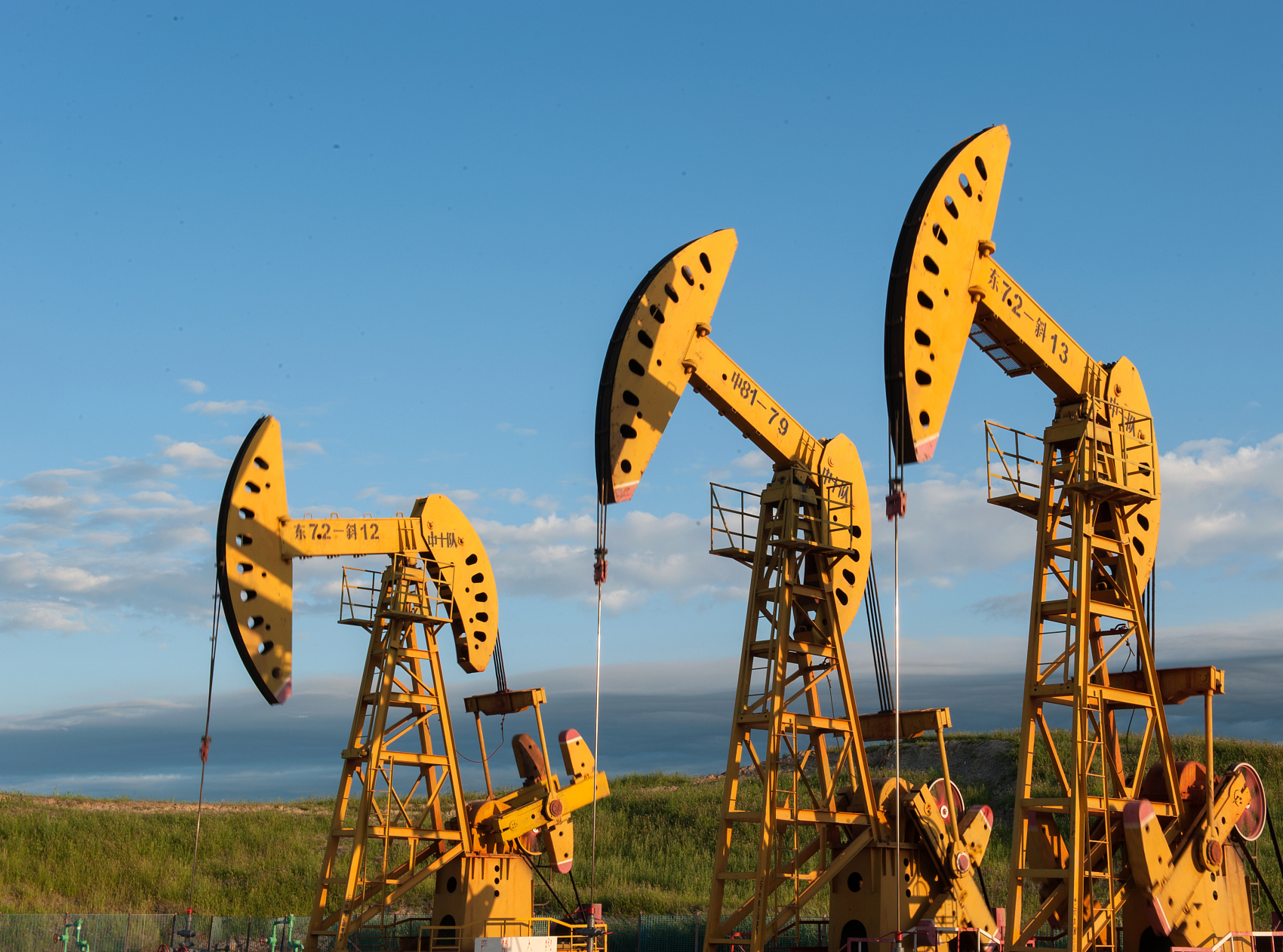
A substantive closure of the Strait of Hormuz would be market‑moving: refined fuels (fuel oil, jet fuel, diesel) are rising faster than crude, with fuel oil seeing unprecedented quotes and risks of near‑term depletion. The IEA's planned 400 million barrel release equals only ~4 days of global demand and may not replace heavy Persian Gulf crude, straining diesel production at refineries. These dynamics raise inflationary pressure risks and could trigger synchronized contractions in supply and demand, implying broad market risk and elevated volatility.
Refinery slate mismatch is the largest underpriced transmission mechanism here: when a specific crude family is removed from the seaborne pool, refiners cannot instantly replicate its middle-distillate yield by swapping volumes, they must either import cutter stocks or run deeper-conversion units harder — both are constrained by logistics and product arbitrage windows. Expect physical bottlenecks (voyage re-routing, loading delays, and grade-specific blending shortfalls) to amplify spreads between refined product cracks and crude over the next 2–12 weeks, not just the headline crude price.
Transport and logistics will transmit these spread moves into real economy cost shocks unevenly: short-haul trucking and bunker-dependent shipping lines see immediate margin stress, airlines face a high-velocity pass-through to unit costs, and import-dependent refining hubs (Mediterranean, US Gulf Coast) will compete for scarce middle-distillate barrels. Freight-rate normalization and slow-steaming behavior can mute demand but only after a lag of weeks–months, creating a window where refined-product tightness remains acute.
Catalysts and timeframes that matter: in days, market structure in front-month refined-product futures will signal acute scarcity; in 2–8 weeks, refinery reconfiguration, Atlantic/Pacific arbitrage flows and commercial releases of product stocks can relieve pressure; in 3–12 months, demand destruction (modal shifts, fuel substitution, slow steaming) and permanent re-routing will set a new baseline. Reversal risks include swift diplomatic de-escalation, a coordinated product release (not just crude), or quick rerouting/charter response that restores specific product flows within 4–6 weeks.
The asymmetry favors option/structure buyers on refined-product exposure and freight owners over pure upstream crude longs. The market currently underweights the operational friction of grade substitution and the time it takes to move physical blending components, so tactical positions that isolate middle-distillate exposure with defined downside look preferable to outright crude longs.
AI-powered research, real-time alerts, and portfolio analytics for institutional investors.
Request DemoOverall Sentiment
strongly negative
Sentiment Score
-0.60
