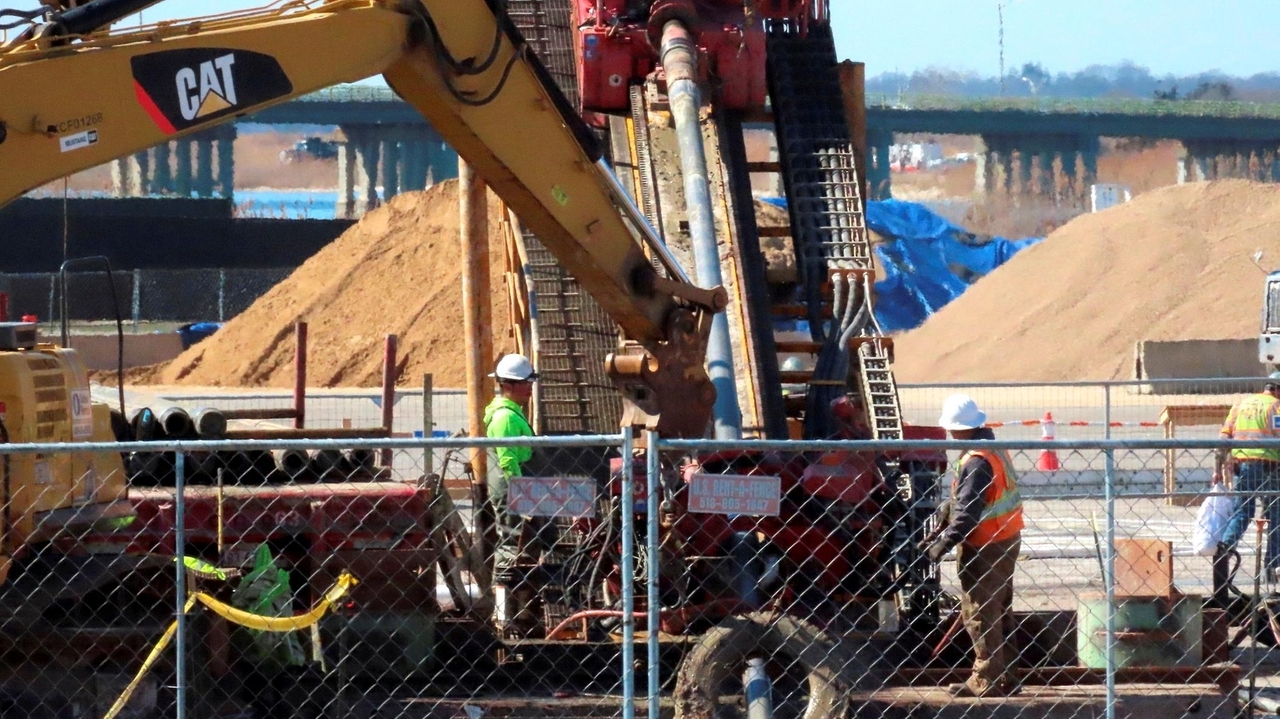
A federal judge granted a preliminary injunction allowing Orsted’s 924-MW Sunrise Wind project to resume work after a U.S. Bureau of Ocean Energy Management stop-work order issued Dec. 22; the project is slated to deliver all energy to the LIPA grid at Holtsville by 2027. The injunction restores near-term construction activity while the underlying lawsuit proceeds, reducing immediate project execution risk for Orsted and contractors, but litigation and the Trump administration’s stated national-security objections introduce continuing regulatory and political uncertainty for U.S. large-scale offshore wind development.
Market structure: The injunction materially reduces near-term execution risk for Sunrise Wind and gives developers (Ørsted/ORSTED.CO), turbine suppliers (GE, VWS.CO, SGRE.MC) and cable/steel vendors a runway to continue billable work — expect 6–18 month revenue visibility to firm up and a 5–15% rerating for directly exposed equities if litigation finishes favorably. Losers in the short run are politically exposed US offshore opponents and any small contractors with single-project concentration; pricing power for Tier‑1 OEMs strengthens as backlog remains scarce relative to global turbine/cable capacity.
Risk assessment: Tail risks include a reversed injunction or escalated national‑security restrictions that could pause multiple projects (low probability, high impact) and trigger 20–50% drawdowns in developer equities and project finance stress. Immediate (days) effect is volatility compression; short term (weeks–months) depends on appellate timeline and DoD/agency findings; long term (quarters–years) depends on federal policy/election outcomes and supply chain inflation (steel, copper) which can reprice margins by +/-10–25%.
Trade implications: Direct plays favor selective long exposure to Ørsted (ORSTED.CO) and diversified wind exposure via FAN or ICLN while using defined‑risk options to cap downside; suppliers with multi‑project footprints (GE) are preferred to single‑project contractors. Consider pair trades: long offshore/wind ETF (FAN) vs short oil majors ETF (XLE) to isolate energy mix beta; use 6–12 month call spreads and protective put spreads to manage litigation timing risk.
Contrarian angles: The market may underprice persistent US political/legal risk despite today’s win — if federal agencies impose technical conditions, developers will absorb >$100–300M per project in mitigation capex, compressing IRRs by several hundred basis points. Historical parallels (UK/Dutch offshore permitting fights) show injunction wins often precede multi‑quarter remediation and renegotiation, so favor liquid exposure and avoid concentrated private/project equity until final agency certification is public (expected 3–9 months).
AI-powered research, real-time alerts, and portfolio analytics for institutional investors.
Request DemoOverall Sentiment
mildly positive
Sentiment Score
0.28
