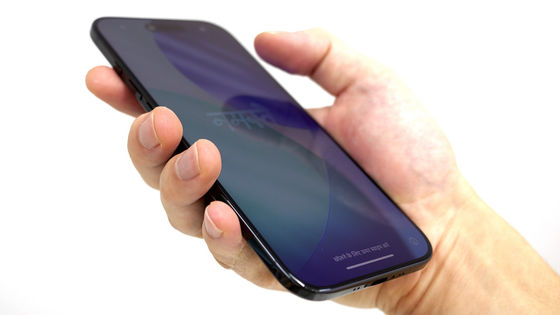
Reports indicate some iPhone 17 series and iPhone Air units may fail to power back on after the battery is fully drained, even when connected to USB-C charging. The issue does not appear universal, and the most effective workaround reported is placing the device on a MagSafe charger for about 15 minutes. The news is a modest product-quality headwind for Apple, but likely limited in immediate market impact.
This reads less like a hardware defect and more like a post-update state-machine bug that only shows up when the battery is driven to true depletion. That matters because it shifts the issue from a one-off service headache to a reliability signal that can travel through the installed base after each software release, especially among power users who are more likely to hit deep discharge cycles. The market should care less about the absolute incidence rate and more about the optics: a phone that appears “dead” is a trust-destroying failure mode because it is highly visible, hard to self-remediate, and easy for social media to amplify.
The second-order risk is not unit volume collapse; it is mix and engagement leakage at the top of the funnel. Apple can probably fix this with a firmware patch, but even a short-lived defect can push a subset of premium buyers toward delaying upgrades, extending replacement cycles by 1-2 quarters, or choosing a different SKU within the ecosystem that is perceived as more robust. Accessories are an underrated beneficiary here: a recommendation to use MagSafe effectively creates a behavioral nudge toward higher-margin attach products and reinforces wireless charging as the preferred recovery path.
The key catalyst window is the next 2-6 weeks, when Apple’s response quality determines whether this becomes a contained support issue or a broader quality-control narrative. If Apple ships a quiet software fix and support guidance normalizes, the stock impact should fade quickly; if user reports continue after the patch, the concern migrates from software to platform QA and could compress multiple expansion in the near term. The contrarian view is that the market may be overpricing the reputational damage because Apple has a strong history of converting visible bugs into ecosystem stickiness rather than churn.
Net: this is a tactical sentiment drag on AAPL, not a thesis breaker, but it is worth expressing through short-duration options rather than outright equity exposure because the fix path is likely binary and fast-moving.
AI-powered research, real-time alerts, and portfolio analytics for institutional investors.
Request DemoOverall Sentiment
mildly negative
Sentiment Score
-0.20
Ticker Sentiment
