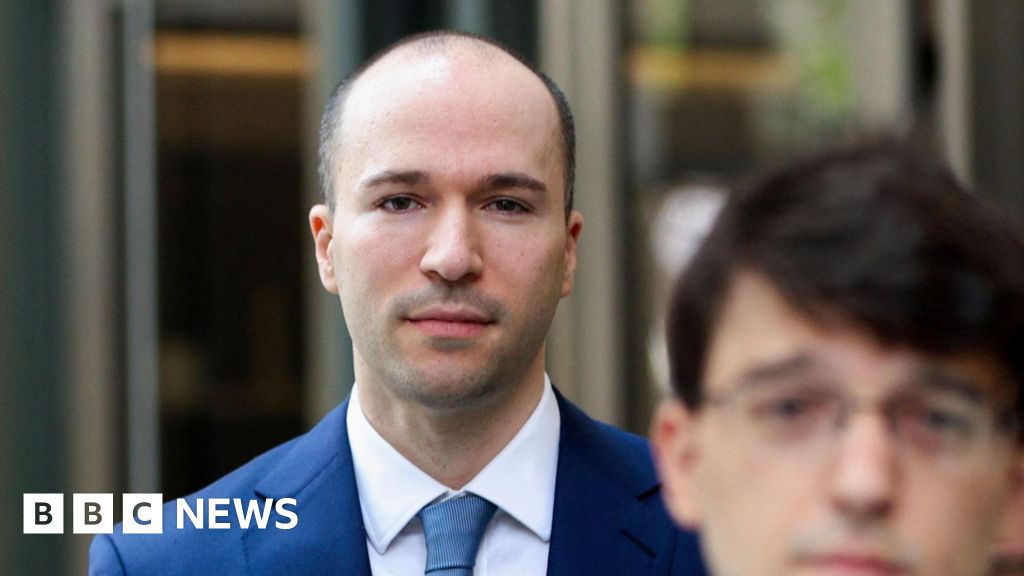
OpenAI co-founder Greg Brockman testified that Elon Musk threatened to withhold funding after Brockman rejected Musk's push for greater control in a 2017 meeting, underscoring the depth of the dispute now playing out in federal court. The testimony reinforces allegations around OpenAI's governance and transition from non-profit roots to a for-profit structure, while also touching on Musk's competing AI ambitions through xAI. The news is primarily legal and governance-related, with limited direct near-term market impact.
This trial is less about courtroom optics than about who controls the “open” AI stack as it monetizes. A credible signal that OpenAI’s governance was always contested increases the probability of tighter investor protections, more explicit commercialization, and a cleaner capital structure over the next 6-18 months; that is supportive for OpenAI’s fundraising optionality but structurally negative for the romanticized nonprofit narrative that helped attract talent and partners early on. The market should also expect more deliberate firewalling around board relationships, which raises the cost of strategic ambiguity across the sector.
The second-order beneficiary is not necessarily OpenAI itself, but the broader enterprise AI ecosystem. If this dispute accelerates customer concerns about vendor concentration and founder risk, procurement budgets likely diversify toward neutral infrastructure and model-agnostic tools, favoring pick-and-shovel names over pure model narratives. That dynamic is especially relevant for cloud, data tooling, orchestration, and security layers where switching costs are lower and corporate buyers prefer governance stability over frontier-model branding.
For competitors, the legal theater is mildly helpful to xAI in the near term because it keeps Musk’s AI ambitions in the conversation, but the bigger effect is distraction: leadership volatility and governance noise tend to compress execution quality for both sides. The real risk is a wider reputational overhang on capital access and partnership formation, not a direct product setback; the time horizon is months, not days, unless there is an injunction or new disclosure that materially alters control dynamics. If the trial reveals OpenAI had clearer internal awareness of a for-profit path than expected, the downside for sentiment should be limited because that would actually remove some uncertainty around the company’s capital formation model.
AI-powered research, real-time alerts, and portfolio analytics for institutional investors.
Request DemoOverall Sentiment
mildly negative
Sentiment Score
-0.15
