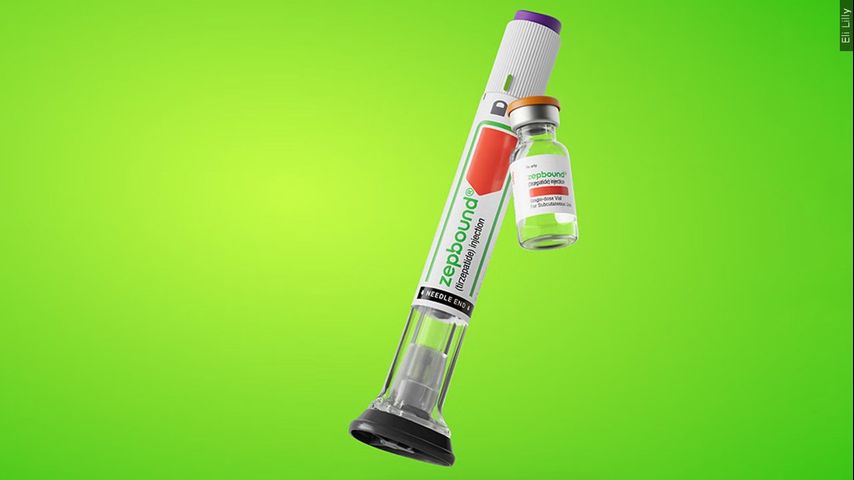
New research suggests GLP-1 weight loss drugs may be associated with up to a 30% higher risk of osteoporosis, likely due to rapid weight loss, reduced muscle mass, and lower intake of protein, calcium, and vitamin D. The article emphasizes bone-health precautions, including strength training, rather than indicating a direct biological mechanism. The news is a modest headwind for the GLP-1 obesity treatment narrative, but it is unlikely to move the broader market materially.
The market should treat this as a distributional rather than a binary drug-safety issue. GLP-1 adoption still likely expands, but the incremental cost of long-duration use rises as payers, prescribers, and patients become more sensitive to musculoskeletal side effects; that shifts value toward companies that can frame a full-stack obesity offering, not just a weight-loss script. The second-order winner is likely anyone monetizing the “maintenance phase” of treatment—nutrition, resistance training, wearables, and bone-health screening—because patients will need adjunctive behavior and monitoring to preserve lean mass and bone density.
The clearest loser set is less the GLP-1 innovators and more adjacent beneficiaries whose growth assumptions depend on ever-cleaner adherence and fewer discontinuations. If bone concerns meaningfully increase physician monitoring, expect a slower net-new initiation curve over the next 2-4 quarters and higher churn after initial weight-loss success, which can blunt lifetime value even if first-year demand remains strong. This also creates a subtle tailwind for imaging, lab testing, and specialty diagnostics tied to DEXA scans, vitamin D, calcium, and protein-deficiency workups.
The key risk is not a sudden collapse in obesity-drug demand; it’s a gradual tightening of the risk/benefit equation as older patients, post-menopausal women, and frailer cohorts are screened out or managed more conservatively. That means the headline impact is likely muted in the next few weeks, but meaningful in 6-18 months if insurers or guideline bodies add bone-health requirements or step-therapy conditions. The contrarian take is that the concern may actually reinforce GLP-1 utilization by forcing better co-management, which could extend treatment duration among higher-value patients rather than kill demand outright.
AI-powered research, real-time alerts, and portfolio analytics for institutional investors.
Request DemoOverall Sentiment
mildly negative
Sentiment Score
-0.25
From a trading perspective, this is best expressed as a relative-value pair rather than an outright short. The asymmetric setup is long companies exposed to obesity-treatment adjacencies and monitoring demand, while trimming exposure to names priced for unchecked GLP-1 penetration. The risk/reward improves if future data show the effect is concentrated in a narrow population, because that would remove the overhang without eliminating the need for add-on services.
