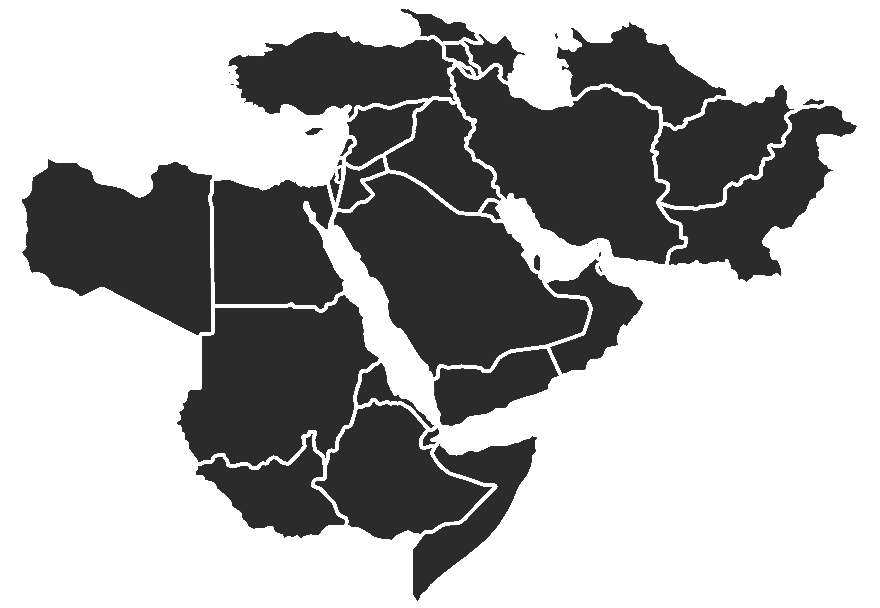
JNIM and allied Tuareg rebels launched their most coordinated offensive in Mali in years, seizing Kidal, Gao, Bourem, and other northern positions while also striking Bamako and killing Defense Minister Sadio Camara. The attacks appear aimed at weakening or toppling the Malian junta, accelerating Russian withdrawals, and expanding militant control over northern Mali, which raises transnational security risks and threatens Russian influence across West Africa. The resulting political crisis in Bamako and security vacuum in northern Mali could materially worsen regional instability.
This is not just another Sahel shock; it is a regime-solvency event. The key market implication is that the junta’s security umbrella is now visibly nonfunctional, which should widen the discount investors assign to any “stability premium” embedded in Mali-linked exposures and neighboring sovereign risk. The second-order effect is a faster unwind of Russian advisory/mercenary credibility in West Africa, which raises the odds that other AES regimes quietly diversify away from Moscow over the next 3-9 months.
The more important tactical read-through is fragmentation risk, not outright jihadist state capture. A weakened center creates a larger gray zone where local militias, smugglers, and insurgents price in more autonomy; that typically lifts kidnapping, transport, and fuel-distribution frictions before it hits headline sovereign defaults. For tradeables, that argues for underweighting any company with direct logistics, security, or commodity-trading exposure to Sahel routes, because margin pressure shows up first in working capital and insurance costs rather than top-line revenue.
The contrarian miss is that the market may overestimate immediate transnational spillover but underestimate the duration of the local governance vacuum. JNIM’s inability to fully govern does not reduce the threat; it prolongs it, because partial control sustains extortion cashflows without the administrative burden of statehood. That makes this a months-long negative catalyst for frontier risk assets, but also a potential medium-term positive for select defense, surveillance, and border-security suppliers if European and regional actors respond with drones, ISR, and convoy protection budgets.
AI-powered research, real-time alerts, and portfolio analytics for institutional investors.
Request DemoOverall Sentiment
extremely negative
Sentiment Score
-0.85
Ticker Sentiment
