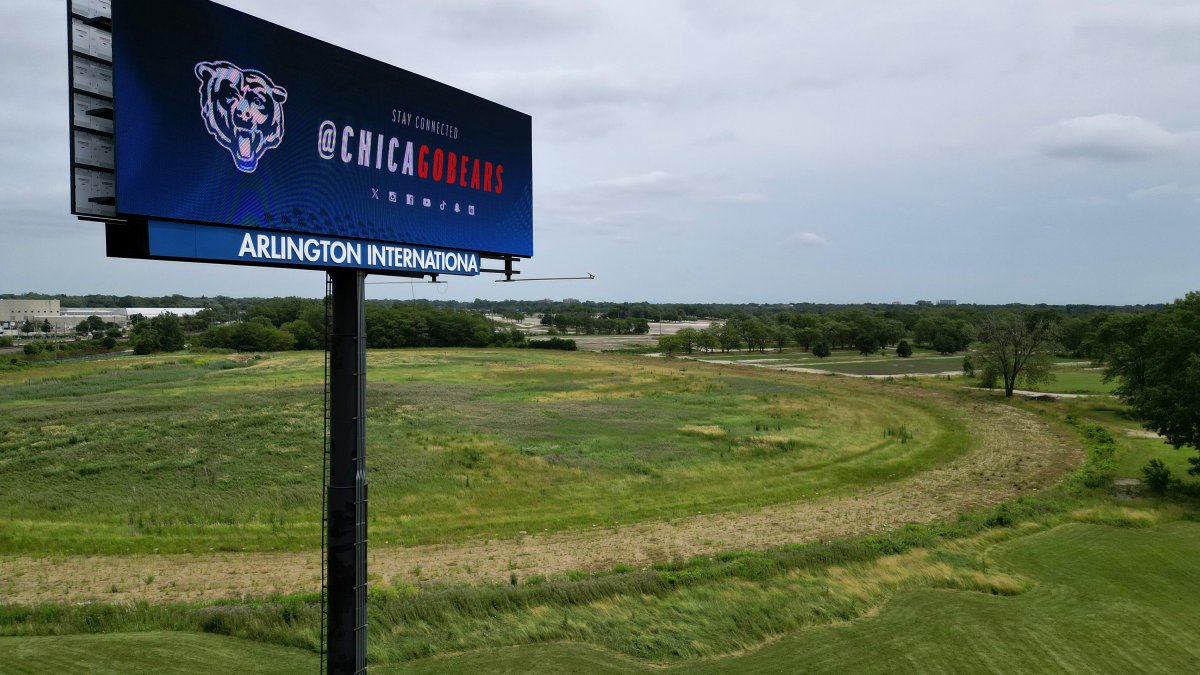
Illinois lawmakers ended the spring session without passing a Bears stadium bill, leaving the Arlington Heights redevelopment plan unresolved. The Senate approved a modified bill 37-17, but the House did not vote before adjournment, and any future passage now requires a three-fifths majority in both chambers. The Bears say they are still evaluating Arlington Heights and Hammond on a late spring/early summer timeline, while a special session remains possible.
The key market implication is not the headline delay itself, but the loss of legislative momentum, which shifts the negotiating leverage toward the Bears and away from Illinois. Once the calendar moves beyond session, procedural friction rises sharply and any deal becomes more hostage to unrelated political bargaining, meaning the probability-weighted path is now a longer-dated option rather than a near-term binary event. That reduces the value of local redevelopment narratives that had been priced on a spring-session catalyst and pushes the decision window into summer, where attention and patience are both lower.
Second-order, the competitive set is now more important than the venue itself. The state delay increases the odds that the Browns/Bears-style relocation threat becomes a real bargaining chip, with Indiana effectively holding a cleaner execution path and more credible incentive package in the near term. That puts downside pressure on Illinois-linked commercial land optionality and on any municipal infrastructure names that would have benefited from a public-financing framework, while modestly improving the negotiating position of alternative jurisdictions with faster permitting and simpler tax structures.
The contrarian view is that the market may be underestimating how much optionality still exists because the effective date pushed into 2027 lowers the immediate urgency for lawmakers. A special session or amended summer package can still happen if political incentives converge, so this is not a dead deal, just a delayed one. The better framing is that the probability of a clean Chicago-area outcome has fallen, but the probability of a headline-driven volatility event has risen, which favors options over outright directional bets.
In the background, this is also a referendum on public-finance enthusiasm for stadium projects nationally. If Illinois cannot assemble votes for a relatively localized framework, it becomes harder for other municipalities to sell stadium-authority structures without larger public concessions, which could ripple into future sports-venue financing and adjacent real-estate redevelopment plays over the next 6-12 months.
AI-powered research, real-time alerts, and portfolio analytics for institutional investors.
Request TrialOverall Sentiment
neutral
Sentiment Score
-0.10
