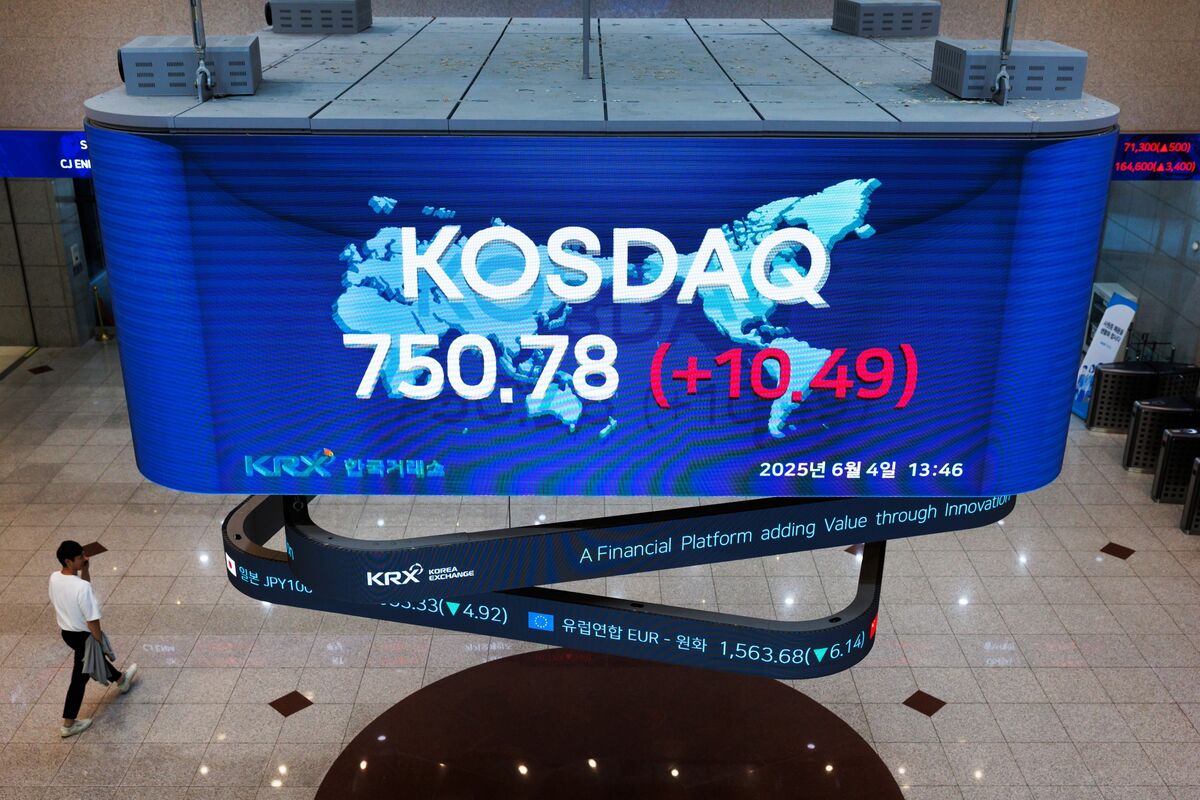
South Korea has abandoned its controversial plan to lower the capital gains tax threshold for stock investors from 5 billion won to 1 billion won, marking a significant policy reversal for President Lee Jae Myung. This decision, influenced by strong retail investor opposition and a previous market selloff, aims to alleviate concerns regarding the stock market's revival and is expected to positively impact investor sentiment.
The South Korean government has officially abandoned its plan to lower the capital gains tax threshold for stock investors from 5 billion won to 1 billion won ($717,535). This represents a significant policy reversal for President Lee Jae Myung's administration, directly responding to months of staunch opposition from retail investors, a core component of his political base. The initial proposal had a tangible negative market impact, sparking a selloff in July that resulted in billions of dollars in lost market value and cast doubt on the government's commitment to supporting the equity market. By scrapping the tax change, the administration removes a major source of uncertainty and a significant overhang for South Korean equities, signaling a prioritization of market stability and investor sentiment over the controversial fiscal policy.
AI-powered research, real-time alerts, and portfolio analytics for institutional investors.
Request DemoOverall Sentiment
moderately positive
Sentiment Score
0.50
