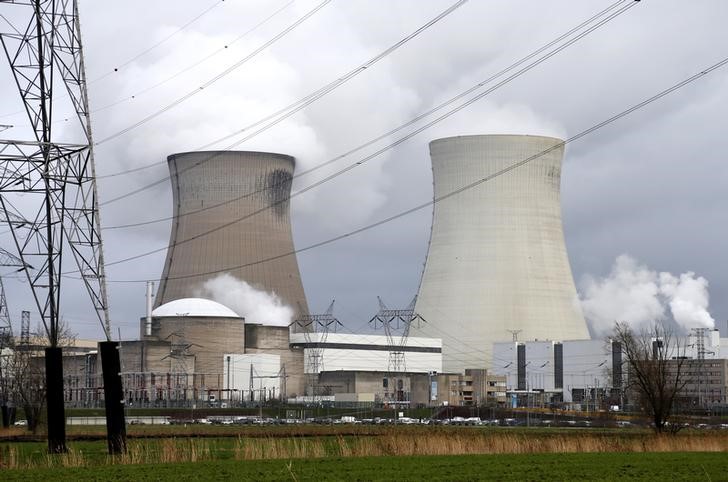
BofA sees uranium entering a multi-decade build cycle, with prices forecast to average $135/lb in 2H26 and 2027, about 56% above current spot. The report cites structural supply deficits, aging mines, slower new production, and rising utility contracting that could tighten the market further in 2026. About $9 billion held in closed-ended vehicles is also sequestering physical supply, supporting a constructive outlook for uranium-linked assets.
The key setup is not just higher uranium prices, but a higher clearing price for the entire nuclear fuel chain. If utilities move from opportunistic spot buying to multi-year security contracts, the marginal winner becomes whoever controls low-cost, restartable pounds with financing and permitting already in place; the losers are late-stage greenfield developers that need a perfect commodity tape to clear funding. The $100/lb psychological anchor matters because it can pull forward contracting even before the physical deficit becomes visible, which means the equity re-rating can start months ahead of the spot market.
Second-order supply pressure is more durable than the headline suggests. As enrichment costs rise and refueling intervals stretch, utilities need more natural uranium per delivered MWh, which effectively increases demand even if reactor counts are flat. That means the market can stay tight through a temporary macro slowdown: unlike cyclicals, nuclear load is sticky, so the main reversal risk is policy/financing relief on the supply side, not weak end-demand.
The biggest underappreciated risk is that the market may be underestimating how quickly financial buyers can crowd out physical liquidity again. If closed-end vehicles remain sticky holders, any renewed utility contract wave could force a sharp repricing in 2H26, but also make the move vulnerable to violent mean reversion if a single large restarter or producer announces a meaningful volume increase. In that sense, the trade is better expressed in equities with embedded torque than through spot alone.
For the referenced names, BAC is an indirect beneficiary only if financing activity around the fuel cycle and miners accelerates; SMCI and APP are largely noise here and likely overowned versus the thematic signal. The market is probably underpricing the duration of the cycle: this is a 12-24 month contracting story, not a 1-2 quarter commodity pop, so positioning should favor medium-dated optionality or baskets over outright spot chasing.
AI-powered research, real-time alerts, and portfolio analytics for institutional investors.
Request DemoOverall Sentiment
moderately positive
Sentiment Score
0.45
Ticker Sentiment
