The ongoing government shutdown, now the longest in U.S. history, is causing significant operational disruptions, including widespread air traffic control staffing shortages leading to flight delays across major airports. Amidst this, the White House confirmed partial SNAP benefit funding while remaining noncommittal on back pay for furloughed federal workers, creating fiscal uncertainty. Concurrently, high-stakes state elections are underway, with the New Jersey and Virginia gubernatorial races expected to be exceptionally tight, potentially signaling shifts in state policy and fiscal priorities, while a Supreme Court hearing on presidential tariff authority looms with broad trade implications.
The ongoing government shutdown, now the longest in US history at 35 days, is creating significant operational disruptions, particularly within the transportation sector. The Federal Aviation Administration has reported widespread air traffic control staffing shortages, leading to expected 45-minute delays at Phoenix Sky Harbor and other major airports, with 416 "staffing triggers" reported since the shutdown began, representing a four-fold increase year-over-year. This directly impacts logistics, travel-related industries, and overall economic efficiency.
Fiscal uncertainty is further exacerbated by the White House's noncommittal stance on back pay for furloughed federal workers, despite previous legislation, indicating this could serve as a bargaining chip in negotiations. While partial SNAP benefits will be funded, the President's initial threat to withhold aid underscores political volatility that could impact social programs and consumer confidence. The broader political gridlock and potential for future fiscal instability remain key concerns for market stability.
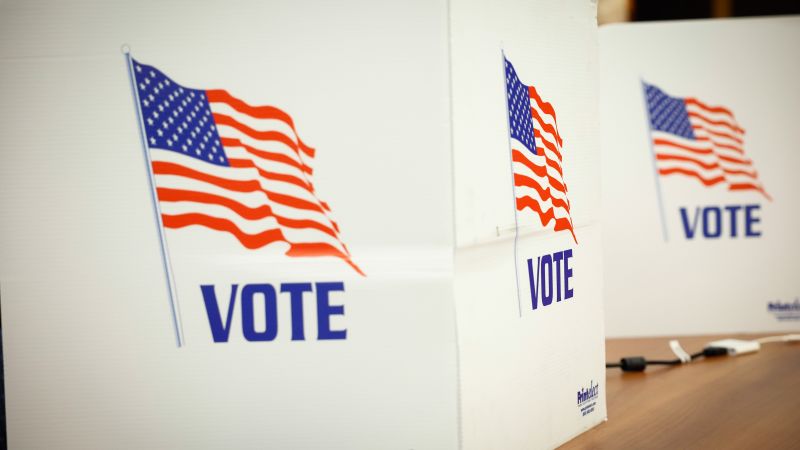
High-stakes state elections in New Jersey and Virginia are projected to be exceptionally tight, with the New Jersey gubernatorial race historically flipping between parties and the Republican candidate coming within 3.2 points in the last election. These contests, driven by issues like affordability and property taxes, could signal significant shifts in state-level policy and fiscal priorities, impacting regional economic outlooks. Concurrently, a looming Supreme Court hearing on presidential tariff authority introduces potential shifts in trade policy with broad implications for global supply chains.
AI-powered research, real-time alerts, and portfolio analytics for institutional investors.
Request DemoOverall Sentiment
moderately negative
Sentiment Score
-0.40
