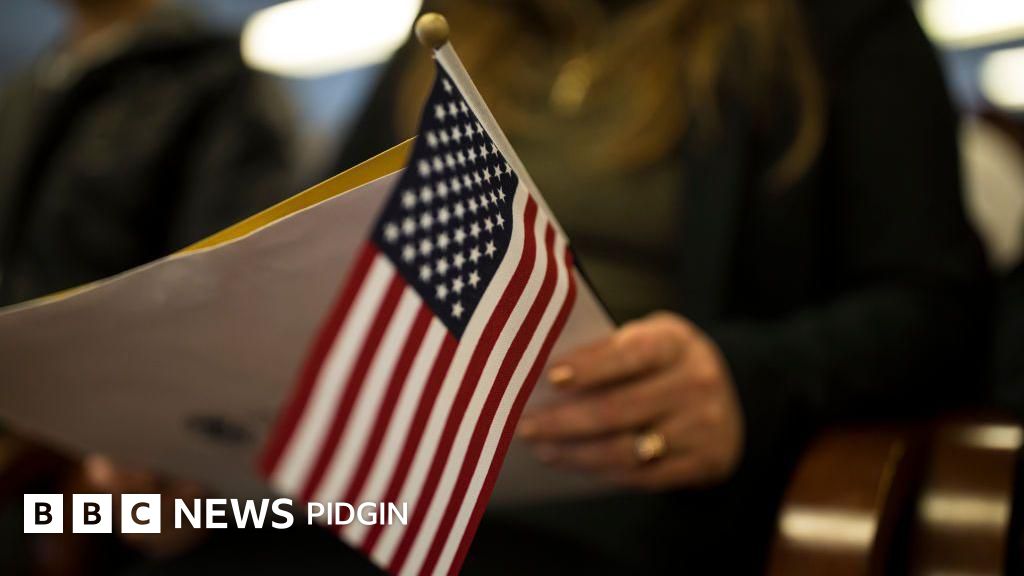
USCIS announced that most foreign nationals seeking green cards must now apply from their home countries through consular processing, except in extraordinary circumstances. The policy closes a longstanding in-country adjustment loophole and could disrupt plans for hundreds of thousands of families and employers, while potentially affecting more than 1 million pending adjustment-of-status applicants. The move is part of the Trump administration’s immigration crackdown and is likely to reduce flexibility for students, temporary workers, and tourists already in the US.
This is a blunt supply-side shock to high-skill labor intake, but the first-order market impact is less on absolute immigration volumes than on process friction and timing. By forcing more applicants into overseas consular channels, the policy increases execution risk for employers that depend on just-in-time foreign talent, which should widen the gap between firms with large domestic recruiting pipelines and those with heavy reliance on visa conversions. The biggest near-term beneficiaries are companies that monetize administrative complexity — immigration counsel, outsourcing/advisory, and compliance software — because workflow becomes more document-heavy, longer-dated, and higher-touch.
The second-order effect is a delay, not necessarily a denial, of labor supply into sectors with persistent shortages: technology, healthcare, hospitality, and specialty manufacturing. That matters because wage inflation in the most immigration-dependent labor pools can persist for longer even if headline labor market data look soft; employers will be forced either to absorb higher comp, raise retention spending, or shift work offshore. In equities, this is mildly negative for labor-intensive service businesses with thin margins and limited pricing power, but the impact should be more muted for large-cap tech and enterprises with global mobility infrastructure already built out.
The key catalyst path is legal and operational, not political rhetoric. Implementation details, carve-outs for cases deemed economically useful, and court challenges are likely to create a multi-month window of uneven enforcement, which argues against chasing the headline too aggressively. The contrarian point: the policy may be less disruptive than feared for the overall labor market if the administration preserves broad exceptions for high-value applicants; in that case, the most durable trade is not a macro immigration short, but a relative-value long compliance/outsourcing versus short sectors most exposed to labor replacement costs.
AI-powered research, real-time alerts, and portfolio analytics for institutional investors.
Request DemoOverall Sentiment
mildly negative
Sentiment Score
-0.35
