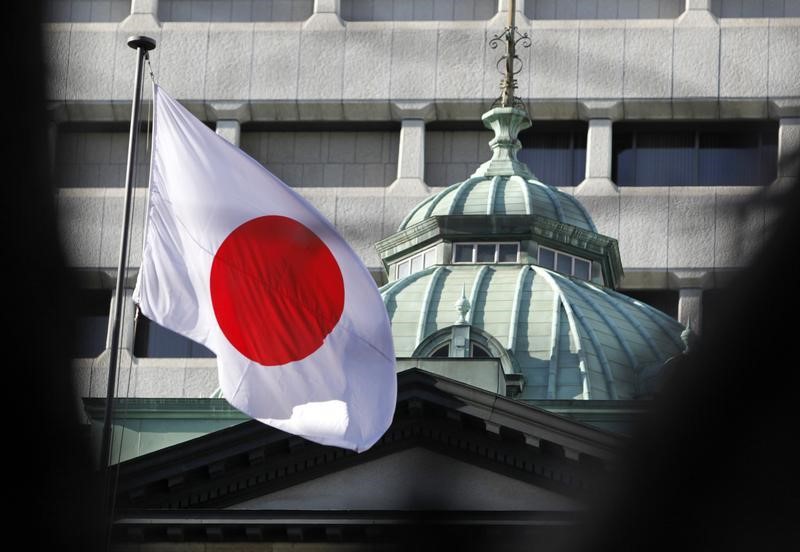
The Bank of Japan is widely expected to raise its benchmark rate by 25 bps to 1.0% on June 16, which would be its fourth hike since ending ultra-low rates in 2024 and the highest Japanese rates since 1995. The move is framed as precautionary amid inflation risks from higher energy costs, a weaker yen near the 160 USD/JPY intervention line, and wage growth, with markets watching for guidance on faster tightening. Japanese equities are at record highs, but a hawkish signal could pressure rate-sensitive stocks while supporting banks and insurers.
This is a classic policy-sequence setup where the market has likely priced the first move but not the path dependency. A 25 bp hike alone is less important than whether the BOJ validates a faster terminal rate; if it does, the real transmission is via Japan’s funding ecosystem, where higher domestic yields can start to repatriate capital from overseas carry assets over the next 1-3 months. That would tighten global liquidity at the margin and pressure the most crowded U.S. duration-sensitive growth pockets even if rates elsewhere are unchanged.
The second-order FX effect is more interesting than the headline yen rally. If the BOJ turns incrementally more hawkish while U.S. rates stay sticky, USDJPY can fall fast enough to force Japanese corporates and real-money accounts to rebalance hedges, which can create self-reinforcing yen strength over days rather than weeks. That would hit Japan’s exporters first, but the bigger global risk is that a stronger yen removes a major source of imported inflation, reducing the urgency for Japan to ease and making any future BOJ dovish pivot less credible.
For Japan equities, the dispersion trade matters more than direction. Banks and insurers should benefit from a higher-rate regime through NIM expansion and better reinvestment yields, while long-duration tech and leveraged domestic cyclicals are vulnerable to multiple compression if the market starts pricing a second hike by year-end. The contrarian angle: the index-level downside may be smaller than feared because market leadership is already narrow and a stronger yen can actually improve domestic purchasing power, supporting consumption lagged by one to two quarters.
The biggest risk to this view is a rapid reversal in energy/geopolitics that cools inflation expectations and gives the BOJ cover to slow the hiking path. In that case, the initial yen move could fade quickly, but the policy signal would still leave higher rate volatility embedded in Japanese assets for months.
AI-powered research, real-time alerts, and portfolio analytics for institutional investors.
Request DemoOverall Sentiment
neutral
Sentiment Score
0.05
Ticker Sentiment
