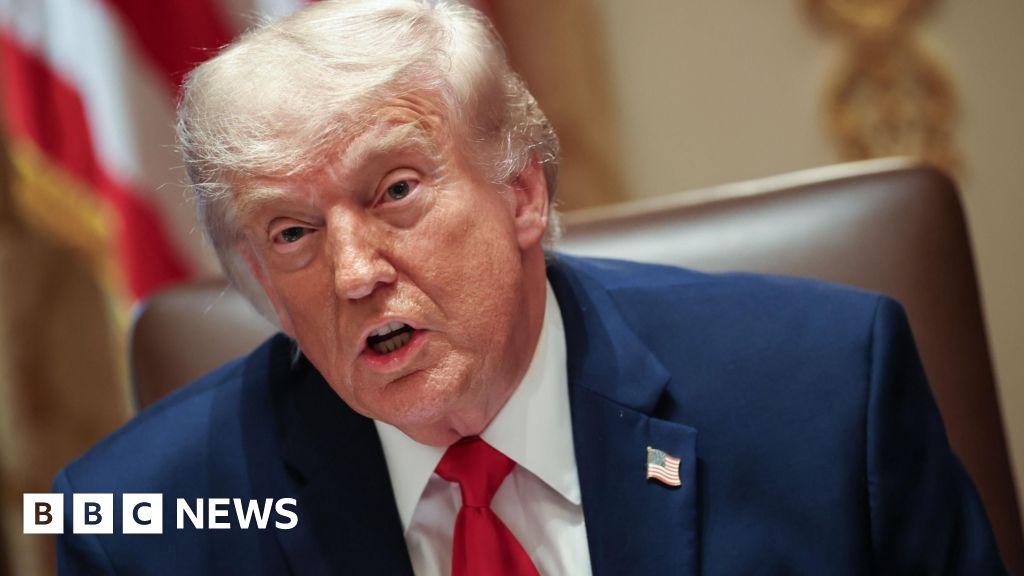
Trump said the US is "not satisfied" with the Iran deal under negotiation and warned Washington could resume strikes if no agreement is reached. The report highlights ongoing conflict risk around the Strait of Hormuz, where past closure sent global oil prices soaring, making the situation highly relevant for energy markets and shipping. Although both sides said progress had been made, the White House called Iranian draft details a "complete fabrication," underscoring elevated geopolitical uncertainty.
The market is pricing the headline, not the path: this is still a high-volatility negotiation with a live military backstop, which makes near-dated energy volatility the cleanest expression rather than a directional crude bet. The biggest second-order effect is not just a risk premium in oil, but episodic widening in freight, tanker insurance, and Gulf-linked supply chain costs if talks stall again and strikes resume; those costs tend to move before spot crude fully reprices. Consensus is too anchored on a binary “deal/no deal” outcome. Even if an agreement is reached, the text implied by state media suggests implementation risk could be high, and partial reopening of shipping corridors would likely be slow and reversible. That means the tail risk remains asymmetric over the next 2-6 weeks: a single failed round or retaliatory strike could reprice Brent sharply higher, while a headline deal may only compress risk premium modestly because enforcement uncertainty remains. The more interesting setup is relative value. Integrated energy and domestic refiners should outperform on any sustained elevation in geopolitical premium, while airlines, chemicals, and industrials with Gulf exposure are likely to underperform first because they absorb fuel and logistics inflation before end-demand weakens. Defense remains a secondary beneficiary if the ceasefire frays: missile defense, munitions, and C4ISR names should see a better bid than platform primes given the short-cycle replenishment dynamic. Contrarian view: the market may be underestimating how quickly both sides want a face-saving off-ramp, which caps the durability of any oil spike unless shipping is physically disrupted again. The higher-probability trade is therefore not a structural bull case for crude, but a volatility regime trade around negotiation deadlines and ceasefire violations.
AI-powered research, real-time alerts, and portfolio analytics for institutional investors.
Request DemoOverall Sentiment
mildly negative
Sentiment Score
-0.20
