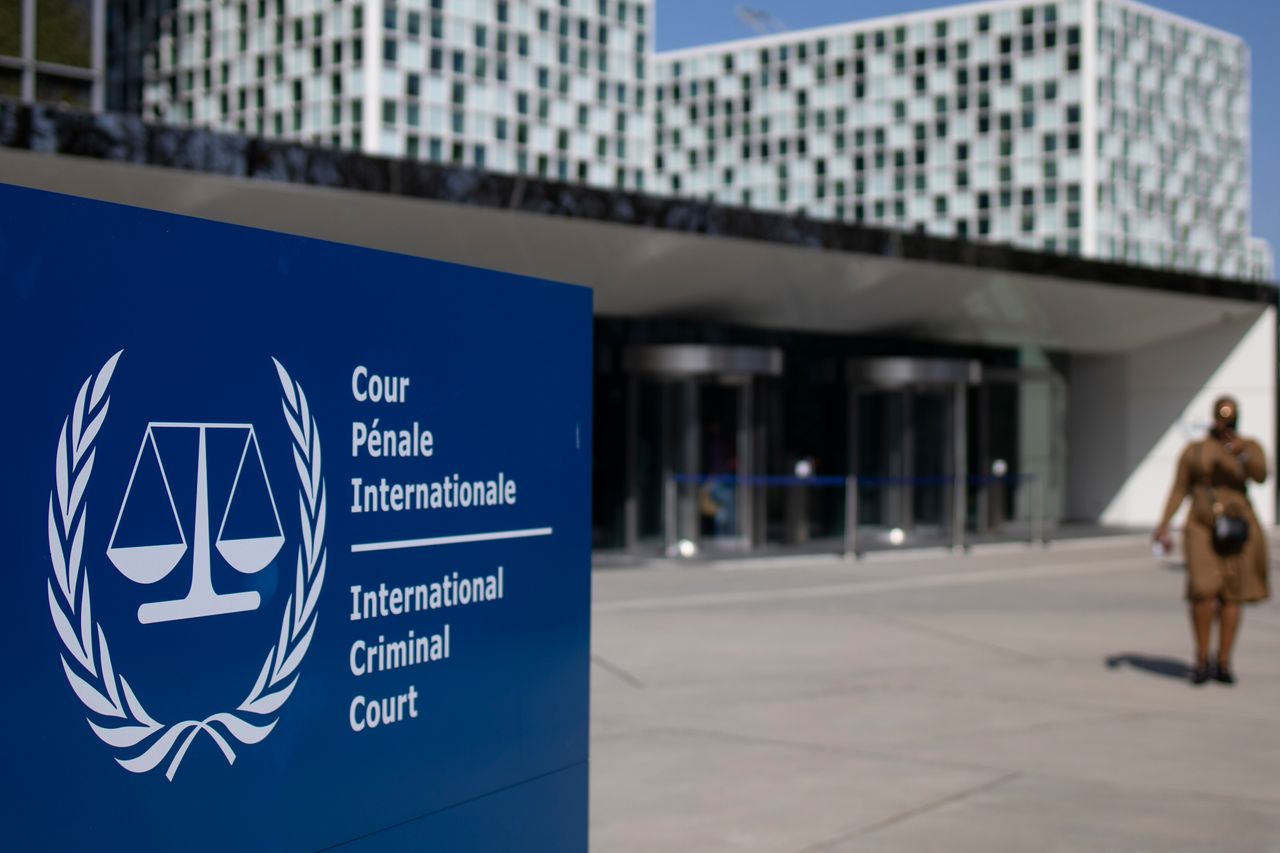
The ICC reportedly issued secret arrest warrants for five additional Israeli officials, which would bring the total to seven if confirmed, following earlier warrants against Prime Minister Netanyahu and former Defense Minister Gallant. The report underscores escalating legal and geopolitical pressure tied to the Gaza war, where more than 72,000 people have been killed and over 172,000 injured since October 2023. The conflict remains active despite a ceasefire that began on Oct. 10, 2025, with Gaza health authorities citing more than 870 additional deaths and over 2,540 injuries.
This raises the probability that the conflict is entering a sanctions-and-access regime rather than a purely military one. The market consequence is not just headline risk for Israeli sovereign risk premia; it is a creeping increase in operational friction for firms that rely on defense procurement, maritime logistics, dual-use equipment, and cross-border financing. The second-order effect is that counterparties with compliance-sensitive boards may quietly reduce exposure before any formal action is taken, creating a lagged but broader de-risking than the news flow alone suggests.
The most immediate beneficiary is not a country but the legal-risk complex: insurers, defense contractors with diversified footprints, and governments that can justify a harder line without appearing to act unilaterally. The more important loser is any company whose thesis depends on normalized postwar reconstruction, cross-border infrastructure, or long-duration capital commitments in the Levant; if legal proceedings expand, those projects face higher funding costs and delayed award cycles. This can also pressure Israeli domestic equities via a higher equity risk premium, weaker foreign inflows, and reduced appetite for incremental defense-export financing.
Catalyst timing matters. In the next few days, the trade is mainly on confirmation risk and whether other jurisdictions signal cooperation; over months, the key question is whether this becomes a broader sanctions architecture or remains mostly symbolic. The tail risk is escalation into coordinated travel restrictions, procurement bans, or asset-freeze actions by allied states, which would be materially more disruptive than the warrants themselves. A de-escalation path would require an explicit diplomatic breakthrough or a visible reduction in operational intensity, but absent that, the burden of proof shifts to those expecting normalization.
The contrarian view is that markets may already be partially priced for persistent geopolitical fragmentation, while the real underappreciated risk is selective enforcement rather than the legal headline itself. If implementation remains uneven, the direct economic damage could be smaller than the rhetoric suggests, but volatility in defense, shipping, and EM risk assets should remain elevated because investors cannot distinguish between symbolic and actionable steps until after the fact.
AI-powered research, real-time alerts, and portfolio analytics for institutional investors.
Request DemoOverall Sentiment
strongly negative
Sentiment Score
-0.70
