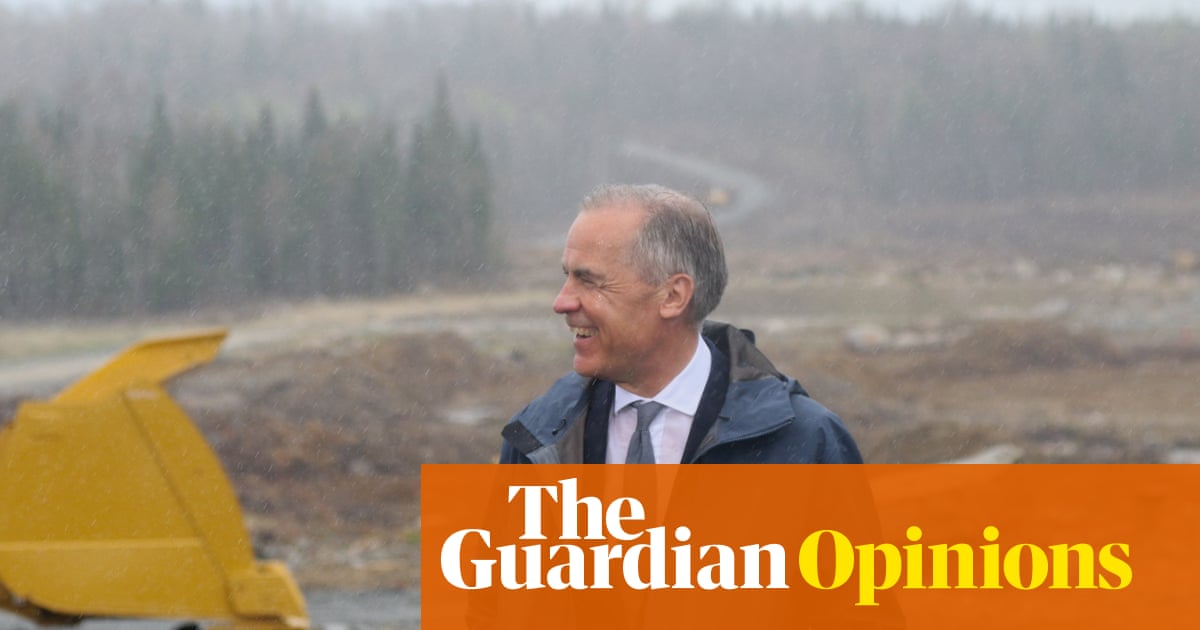
Canada’s federal climate framework is being rapidly rolled back: the consumer carbon price has been scrapped, industrial carbon pricing has been weakened, methane and clean electricity rules have been delayed, and the oil-and-gas emissions cap has been canceled. The article says Alberta’s industrial carbon price will rise only to C$130/tonne by 2040 versus the prior C$170/tonne target by 2030, while new LNG, pipeline, and carbon-capture subsidies are being accelerated. The changes are expected to raise domestic emissions and support more fossil-fuel investment, while undermining Canada’s net-zero 2050 credibility.
The market implication is not that Canada is “anti-climate” in a headline sense, but that policy certainty around decarbonization has deteriorated materially. That matters because the loser is not just clean-tech, it is every capital allocator that priced in a credible, linear tightening path for power, transport, and industrial emissions; the repricing channel is likely to show up first in longer-duration Canadian renewables, EV supply chain, and domestic grid modernization names rather than in energy equities already geared to hydrocarbons.
Second-order, the biggest beneficiary is likely Canadian oil sands and LNG-linked infrastructure providers, but with an important caveat: this is a policy tailwind, not yet a demand guarantee. The more durable winner is midstream/engineering and services with permitting optionality, while pure-play newbuild LNG may still face a financing discount if Indigenous opposition and legal challenges extend timelines by 12-24 months. That delay risk also raises the option value of incumbents with existing assets versus greenfield developers that depend on regulatory momentum.
For carbon markets and decarbonization-linked cash flows, the risk is a slower-burn unwind over months, not an immediate crash. If industrial carbon pricing is credibly weakened, expect downside pressure to Canadian offsets, industrial abatement tech, EV adoption-sensitive dealers, and utility names that had been underwriting 2035-2050 transition capex assumptions. The contrarian point: some of the move may already be priced because investors have treated Canada as policy-consistent for years; the true underappreciated risk is that foreign capital may demand a higher hurdle rate on all Canadian climate-exposed projects, even those not directly targeted.
Catalysts to watch are provincial implementation details, court challenges, and any shift in federal fiscal support toward explicit fossil subsidies. The near-term trade is likely around policy announcements and permitting decisions; the medium-term catalyst is capex guidance revisions from utilities, EV retailers, and industrials as they reset assumptions on compliance costs and demand growth.
AI-powered research, real-time alerts, and portfolio analytics for institutional investors.
Request DemoOverall Sentiment
strongly negative
Sentiment Score
-0.72
