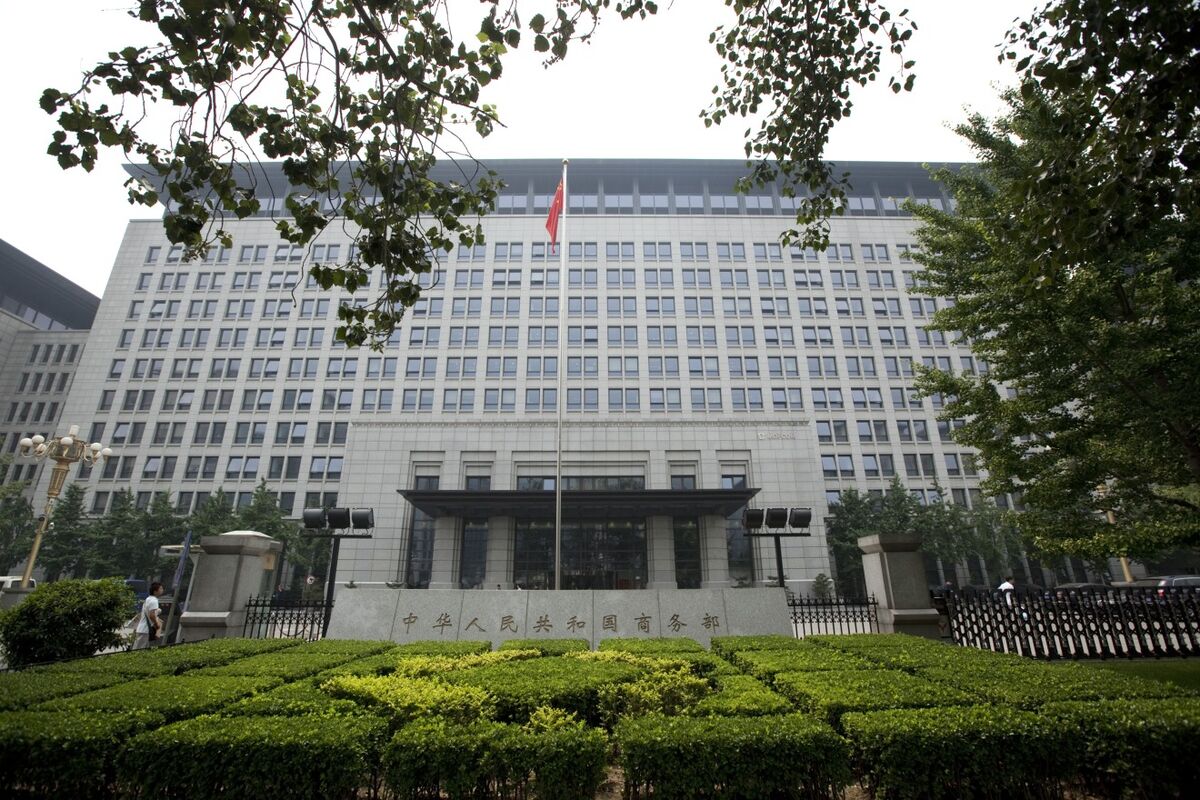
China issued a second rebuke in two days to the EU over its Foreign Subsidies Regulation, saying Brussels is broadening probes into Chinese firms and imposing extraterritorial demands. Beijing said the EU is requiring Chinese banks to cooperate and provide extensive unrelated data, which could disrupt normal business operations in Europe. The dispute adds regulatory and geopolitical friction for Chinese companies operating in the EU, including Nuctech Co.
This is less about one regulatory spat and more about a measurable rise in transaction costs for Chinese corporates operating in Europe. The EU is signaling that market access now comes with compulsory disclosure and procedural friction, which tends to hit lower-margin, compliance-sensitive businesses first: banks, industrials, telecom equipment, and any firm reliant on local procurement or regulated end-markets. The second-order winner is domestic EU incumbents and non-Chinese suppliers that can absorb higher compliance overhead without cross-border subsidy scrutiny.
The immediate risk is not headline tariffs; it is a chilling effect on deal execution and working-capital efficiency. If Chinese banks are pulled into evidence-gathering and data requests, that raises the probability of delayed payments, slower financing approvals, and more conservative credit lines for Chinese exporters with European revenue exposure. Over 1-3 months, this can pressure order conversion and raise discount rates for Chinese ADRs with meaningful EU sales, even if top-line guidance has not yet been cut.
The more interesting market implication is asymmetric retaliation risk. Beijing may not mirror the EU case-for-case; instead it can target European firms operating in China through licensing, antitrust, customs, or local procurement reviews, which would be slower but more damaging for premium EU industrials and autos. That makes this a path-dependent policy cycle: the first move hurts Chinese firms in Europe, the second move hurts European exporters in China, and the third move can widen into broader capital-flow and financing friction.
Consensus is probably underestimating how quickly regulation becomes de facto trade policy when it affects bank cooperation and data access. The near-term market move may be overdone if investors assume a broad decoupling shock, but the medium-term risk is underpriced: once compliance regimes become politicized, the cost of operating across the bloc rises persistently, even without new tariffs.
AI-powered research, real-time alerts, and portfolio analytics for institutional investors.
Request DemoOverall Sentiment
mildly negative
Sentiment Score
-0.25
