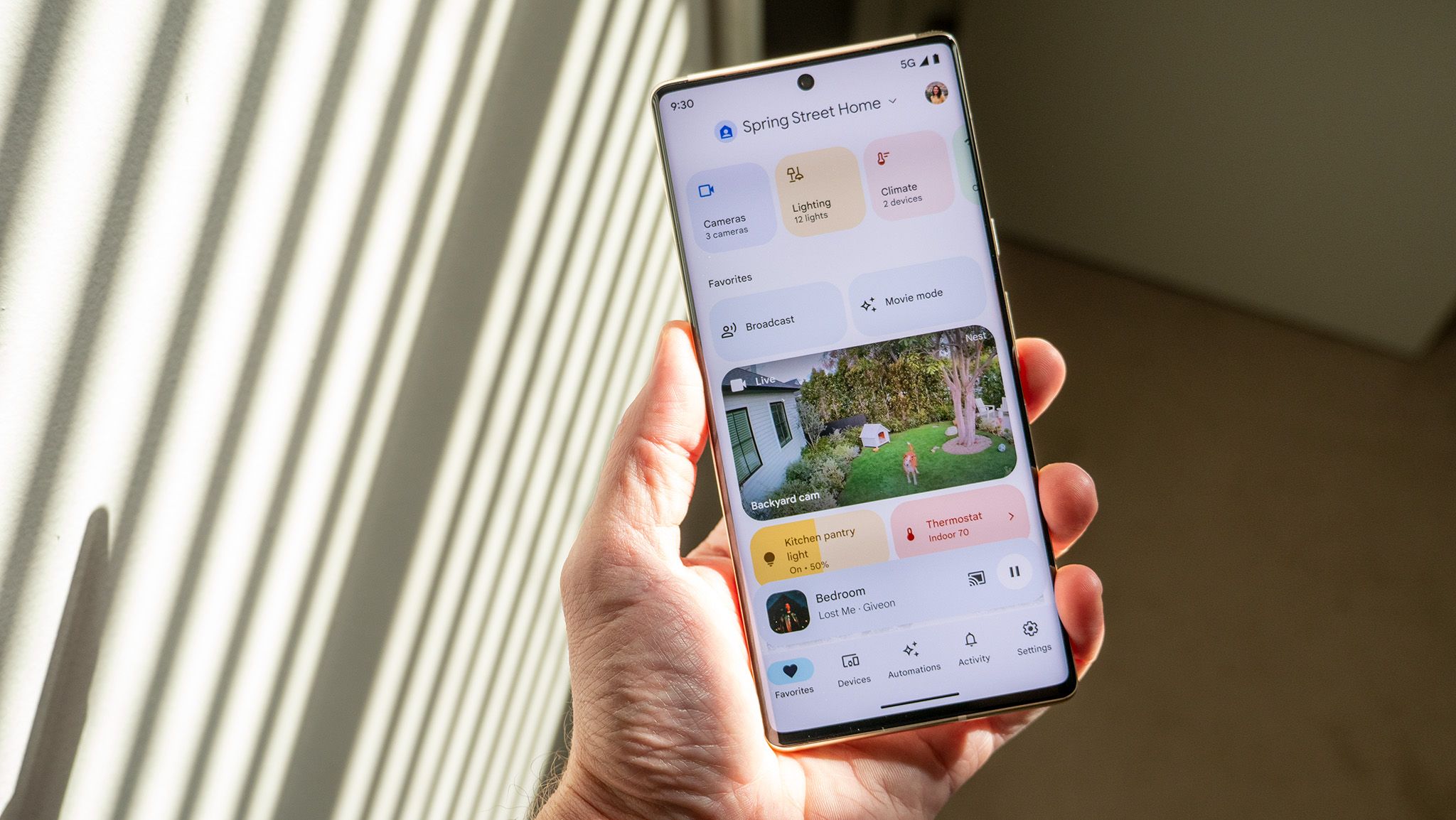
Google is rolling out a major Spring 2026 Home update that refreshes the app with faster performance, smoother navigation, and an AI-powered camera experience. The update adds Gemini-generated event descriptions, smarter face detection, 10-second skip controls, and Gemini 3.1 voice upgrades that support complex multi-step commands. While the features improve usability and could boost adoption of Google Home Premium, the news is primarily product-level and also raises privacy considerations.
GOOGL is using product quality as a retention wedge, not just a feature release. The real economic value is lower churn in the Google Home ecosystem: better camera review flow and more useful event summaries should reduce the odds that users defect to standalone security platforms where the software layer is more polished. That matters because smart-home hardware is structurally low-margin; the monetization is in subscription attach and in making the installed base “sticky” enough to justify recurring spend.
The second-order winner is the Premium subscription tier. If AI summaries materially reduce the pain of reviewing footage, Google can convert a larger share of installed Nest users into paid plans and defend ARPU even if hardware ASPs remain pressured. There is also an ecosystem effect: improving old Nest cameras extends the useful life of legacy devices, which paradoxically can support subscription revenue without requiring immediate hardware replacement.
The main risk is trust, not performance. Consumers may like the convenience but still hesitate to let cloud AI parse private footage, especially after the novelty wears off; that makes adoption more likely to be a slow burn over months rather than a near-term step-function. Over a 6–12 month horizon, the key catalyst is whether Google can show material paid conversion and engagement uplift from these AI camera features; if not, this remains a nice UX update with limited financial impact.
Consensus may be underestimating how defensive this is competitively. Google does not need to win the entire smart-home market to make this worthwhile; it only needs to lower churn among high-value households already in the Google ecosystem. The overdone bear case is that privacy concerns kill the opportunity entirely — in practice, consumers often trade privacy for convenience once the false-alert problem becomes annoying enough. The underappreciated bear case for rivals is that if Google makes camera search meaningfully better, competing ecosystems have to respond with their own AI layers, raising the bar on software and compressing differentiation at the low end.
AI-powered research, real-time alerts, and portfolio analytics for institutional investors.
Request DemoOverall Sentiment
mildly positive
Sentiment Score
0.35
Ticker Sentiment
