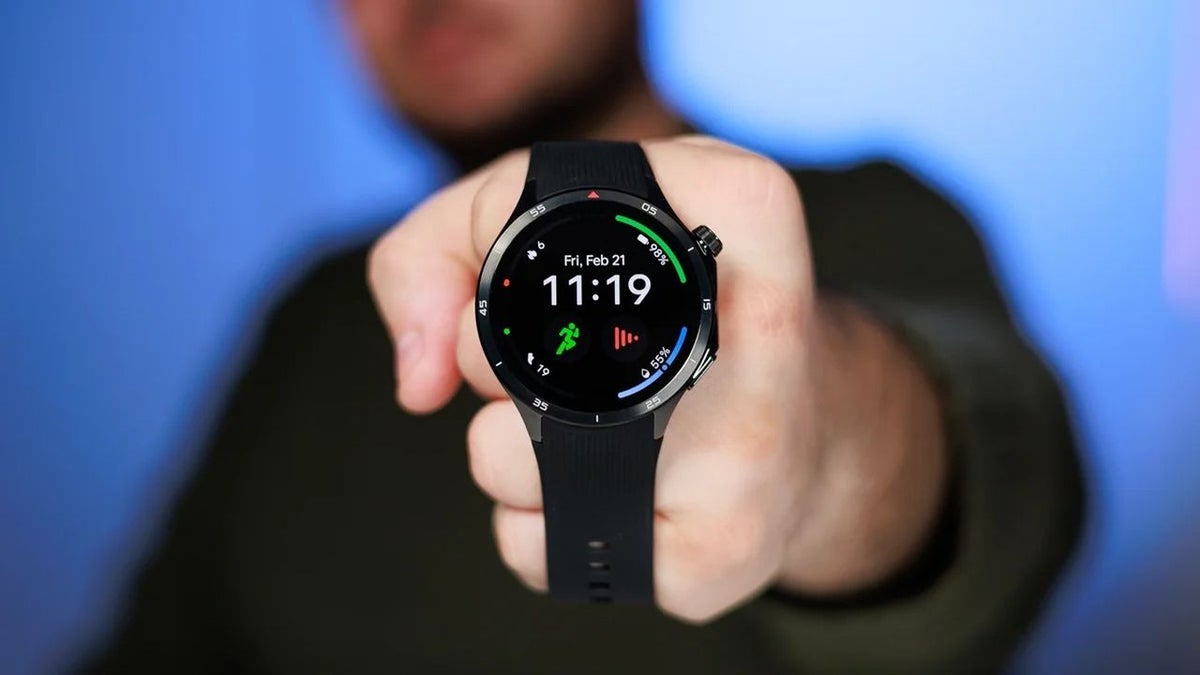
The OnePlus Watch 4 is expected to debut with a 1.5-inch LTPO AMOLED display, Snapdragon W5 Gen 1 chip, 646 mAh battery, Wear OS 5.0, and IP69 water/dust resistance. A retail box leak also confirms at least two colorways and model number OPWWE261, with initial importer listings pointing to the UK, EU, and Poland. The article frames the device as a modest refresh rather than a major upgrade, with price and release date still unknown.
This looks less like a product cycle that expands the category and more like a maintenance release designed to preserve share against Apple and Samsung in the mid-to-premium Android wearable tier. The lack of a meaningful battery or silicon step-up means the only real lever is execution: if pricing stays flat, the device can still defend unit share; if price creeps up, the market will likely treat it as a commodity refresh and elasticity will bite quickly. The second-order implication is that OnePlus is signaling maturity in the category but not a new demand wave, which limits upside for the broader Android watch ecosystem.
For component suppliers, the mix is more interesting than the headline product. A Snapdragon W5-based design with an LTPO panel suggests incremental support for Qualcomm and display supply, but the absence of a platform upgrade caps BOM inflation and reduces the odds of a meaningful revenue beat. More importantly, a refresh cycle usually shifts demand from spec-driven replacement to promo-driven sell-through, which tends to compress gross margins across the channel over the first 1-2 quarters after launch.
The contrarian read is that a “minor upgrade” can still be good enough if OnePlus uses aggressive pricing to reclaim shelf space in Europe. That would pressure competing Android OEMs to discount, especially in markets where carrier bundles and retail promotions drive most smartwatch attach rates. The tail risk is not product failure but indifference: if launch pricing is even modestly above prior-gen levels, sell-through could be weak and inventory could build within one quarter, forcing markdowns that spill into adjacent wearables.
Catalyst-wise, the next 30-60 days matter most: pricing, regional availability, and initial channel placement will tell us whether this is a volume defender or a margin filler. A favorable price point would support near-term sell-in but could still be negative for category pricing discipline, while a premium MSRP with no battery improvement is the setup most likely to disappoint.
AI-powered research, real-time alerts, and portfolio analytics for institutional investors.
Request DemoOverall Sentiment
neutral
Sentiment Score
0.05
