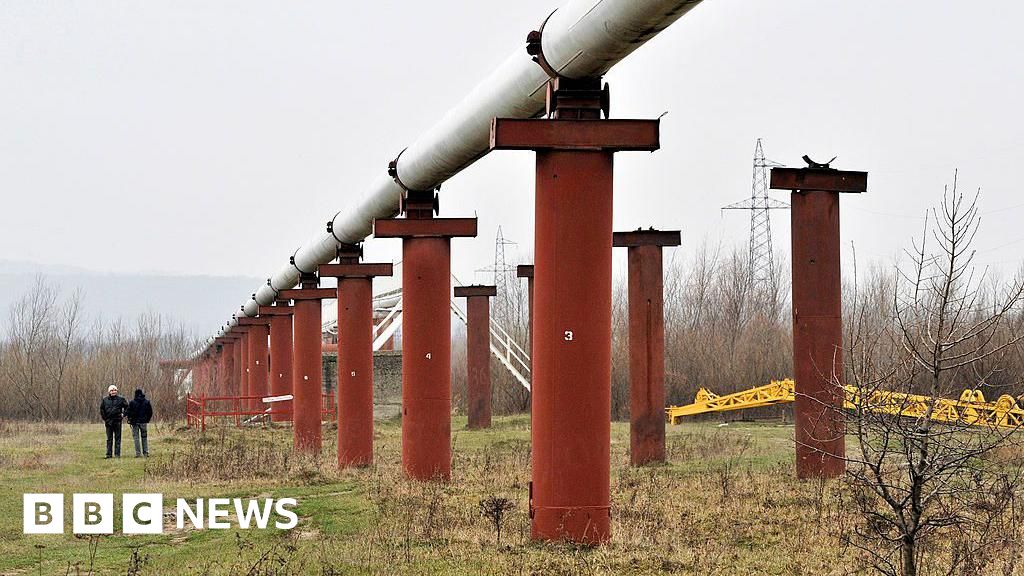
€90bn in EU financial support for Ukraine is effectively being blocked by Hungary pending reopening of the Soviet-era Druzhba oil pipeline, which Zelensky says was damaged by Russian strikes in January and refuses to restore while EU sanctions remain. Budapest's leverage is tied to its energy dependence and domestic politics ahead of April elections for Viktor Orban, raising the risk of delayed EU aid and a potential loosening of sanctions on Russian oil (including a US temporary waiver to 11 April). The dispute increases near-term European energy and geopolitical risk and could influence defense supply timing to Kyiv; Ukraine is also pitching joint drone production (a proposed $50bn opportunity) to the US as an alternative revenue/technology source.
Energy transit corridors functioning as political pressure points increase sovereign veto risk and embed a structural premium into EU policymaking toward frontier members. That premium will manifest as wider sovereign and bank CDS spreads for politically exposed states and intermittently higher volatility in regional equities, particularly in utilities and refiners that lack alternative feedstocks; expect realized volatility to spike in 30–90 day windows around domestic political events.
Seaborne crude flows and tanker time-charter earnings are the most responsive market lever if land transit is constrained: marginal barrels will shift to VLCC/Suezmax routes and raise spot tanker rates within weeks, compressing refinery margins for inland consumers but boosting shipping equities and freight-linked derivatives. Insurers and P&I clubs face higher claim probabilities from unconventional routing and sanction uncertainty, which can reduce available capacity and push up marine premiums over 3–6 months.
Ukraine’s nascent drone industrial base as an exportable capability creates a non-linear revenue stream that behaves more like an industrial commodity than a one-off military aid item — standardized production contracts with Gulf partners would scale revenue on 12–24 month horizons and accelerate technology transfer risks. The biggest policy tail risk is a sharp reprioritization of Western weapons shipments toward other theaters, which would increase Kyiv’s incentive to monetize industrial IP quickly and could trigger a cascade of private off-take agreements that distort regional defense procurement dynamics.
AI-powered research, real-time alerts, and portfolio analytics for institutional investors.
Request DemoOverall Sentiment
mildly negative
Sentiment Score
-0.25
