
United flight landing at Newark Liberty Airport strikes light pole; no injures reported
Source: CBS News
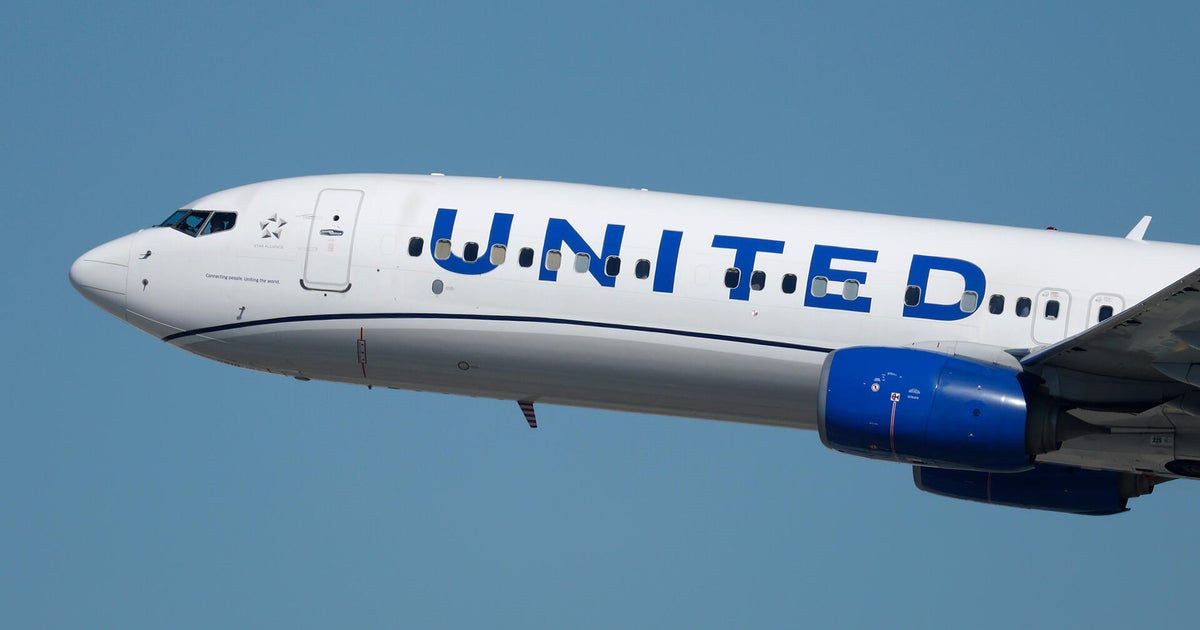
United flight UA169, a Boeing 767 carrying 221 passengers and 10 crew, struck a light pole on the New Jersey Turnpike during final approach to Newark Liberty International Airport but landed safely just after 2 p.m. No injuries were reported, and the airline said it is evaluating aircraft damage and investigating the incident. The event is operationally notable for United and airport infrastructure, but it appears unlikely to have immediate broader market impact.
Analysis
This is not a classic airline-demand event; it is a reliability and operating-procedure event. The market should focus on two second-order channels: incremental scrutiny on Newark as a constrained hub and a near-term nuisance risk to UAL’s operational integrity rather than any change in passenger demand. The direct equity impact is likely small unless investigators find a systemic procedural or airport-infrastructure issue, but even a low-probability safety headline can widen the multiple discount on a name already sensitive to operational volatility.
The most interesting read-through is to airport bottlenecks and schedule resilience. If Newark-facing headlines keep accumulating, the cost of irregular operations rises for all carriers with material EWR exposure, but especially those relying on tight turn times and premium transatlantic connectivity. That creates a relative opportunity in carriers with less concentration risk or stronger hubs, while also benefiting airport services and maintenance-adjacent vendors if inspections, repairs, and operational controls get stepped up over the next several weeks.
The tail risk is regulatory: a single incident is noise, but repeated ground/approach-adjacent events can trigger FAA process reviews, temporary runway/taxiway restrictions, or more conservative slot management. That would pressure unit revenues at the margin for months, not days, if it forces schedule padding and higher misconnect risk. The contrarian view is that the selloff in UAL could be overdone if this proves to be a one-off equipment/airport-geometry issue with no injuries and no fleet-wide or pilot-training implication.
On balance, this looks like a small negative for UAL but a potentially larger relative-value signal versus peers with cleaner operational narratives. The best setup is to buy the dip only if subsequent disclosures show isolated damage and no grounding; otherwise, the path of least resistance is multiple compression rather than estimate cuts. In short: modest downside on headline risk, but an attractive pair-trade if the market extrapolates this into broader operational dysfunction without evidence.
AllMind Terminal
AI-powered research, real-time alerts, and portfolio analytics for institutional investors.
Request TrialMarket Sentiment
Overall Sentiment
neutral
Sentiment Score
-0.10
Ticker Sentiment
Key Decisions for Investors
- Short-term: avoid adding to UAL for 3-5 trading days until maintenance findings and FAA follow-up are clearer; risk/reward is poor if the headline cluster expands.
- Relative value: long DAL / short UAL for 1-2 months if Newark-specific operational scrutiny persists; this isolates hub-quality spread risk with better downside protection than a naked short.
- If UAL gaps down >3% on the headline without new adverse facts, consider a tactical call spread buyoutdated 30-60 days out; best case is mean reversion once the event is framed as isolated.
- Monitor EWR-exposed carriers and airport-linked vendors for a 2-6 week window; if slot/inspection restrictions emerge, favor names with lower Newark concentration and stronger schedule flexibility.
- Do not short the whole airline complex on this alone; the asymmetric trade is idiosyncratic UAL downside, not sector-wide demand destruction.
More News
- One key part of the AI trade has decoupled from the rest. Why that is, and whether it can come back
- Airlines waive flight-change fees ahead of nor'easter
- Nor’easter expected to disrupt travel, flood basements, knock out power along US East Coast
- Bonds Stabilize as Oil Retreats
- ‘U.S. trade policy is damaging the U.S. auto industry’: Canada’s purchase of American cars hits new low as Trump’s tariffs backfire on U.S. automakers
- Paramount/WBD merger conditions give the public "virtually nothing," judge is told