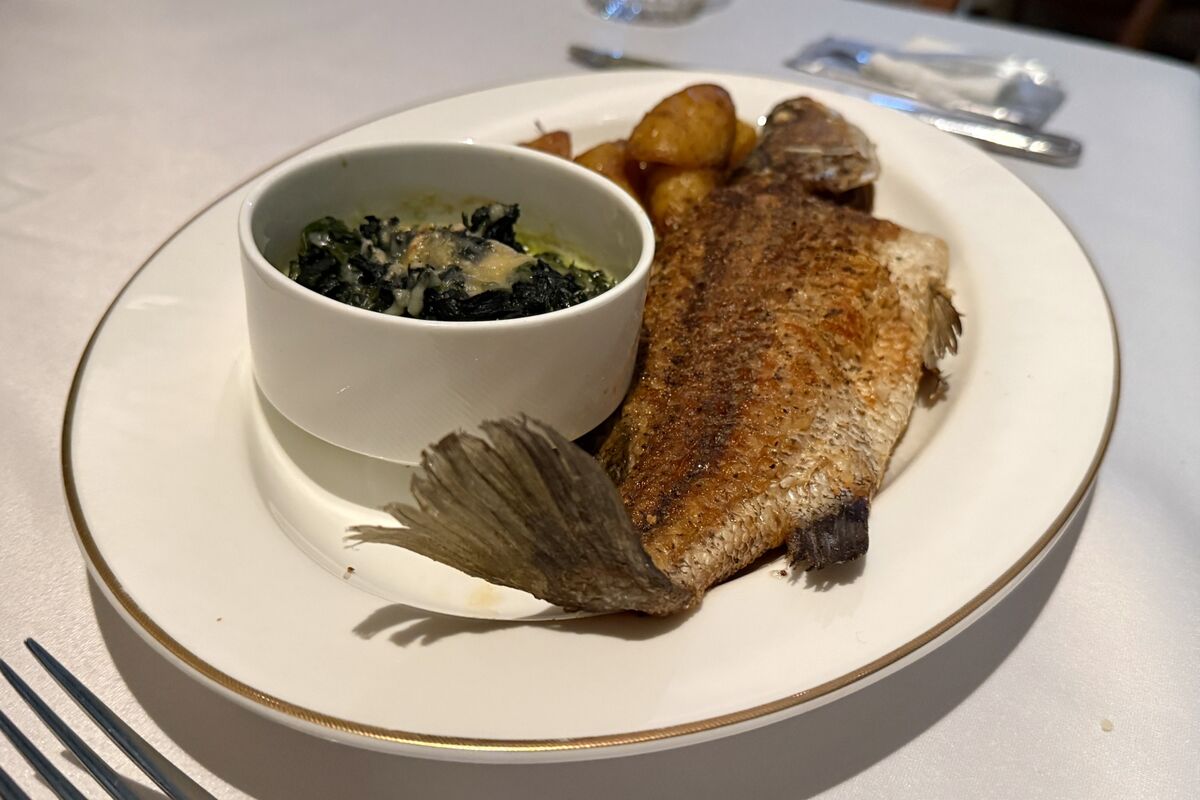
The article highlights Dot Cod’s triumphant return and reopening at a more spacious new Hong Kong location, emphasizing its reputation as a top dining institution. The tone is approving, but there are no financial figures or company-level impacts that would move markets.
This reads less like a citywide demand inflection and more like proof that the top end of Hong Kong discretionary spend is still resilient when the product is scarce, differentiated, and culturally embedded. The key market mechanism is not restaurant revenue per se; it is pricing power for premium hospitality concepts and the adjacent luxury ecosystem that benefits from destination traffic, while weaker mid-tier operators keep getting squeezed.
The second-order effect is on venue economics: a successful reopening in a larger format suggests that trophy locations can still command traffic even in a choppy consumer backdrop, which supports landlords with prime assets and hurts secondary-space tenants that rely on spillover demand. That said, this is a branding event, not a macro catalyst, so the signal should not be extrapolated to mass-market F&B or broader HK retail without follow-through in tourist arrivals and local spending data.
Consensus risk is overreading the anecdote as a recovery story. The more plausible contrarian read is bifurcation: affluent locals and tourists will pay up for institution-quality experiences, but the broader consumer basket remains under pressure from soft footfall and uneven confidence. If the thesis is real, it should show up over 1-3 months in premium mall traffic, hotel occupancy, and luxury retail conversion rather than in headline restaurant buzz.
AI-powered research, real-time alerts, and portfolio analytics for institutional investors.
Request DemoOverall Sentiment
mildly positive
Sentiment Score
0.15
