

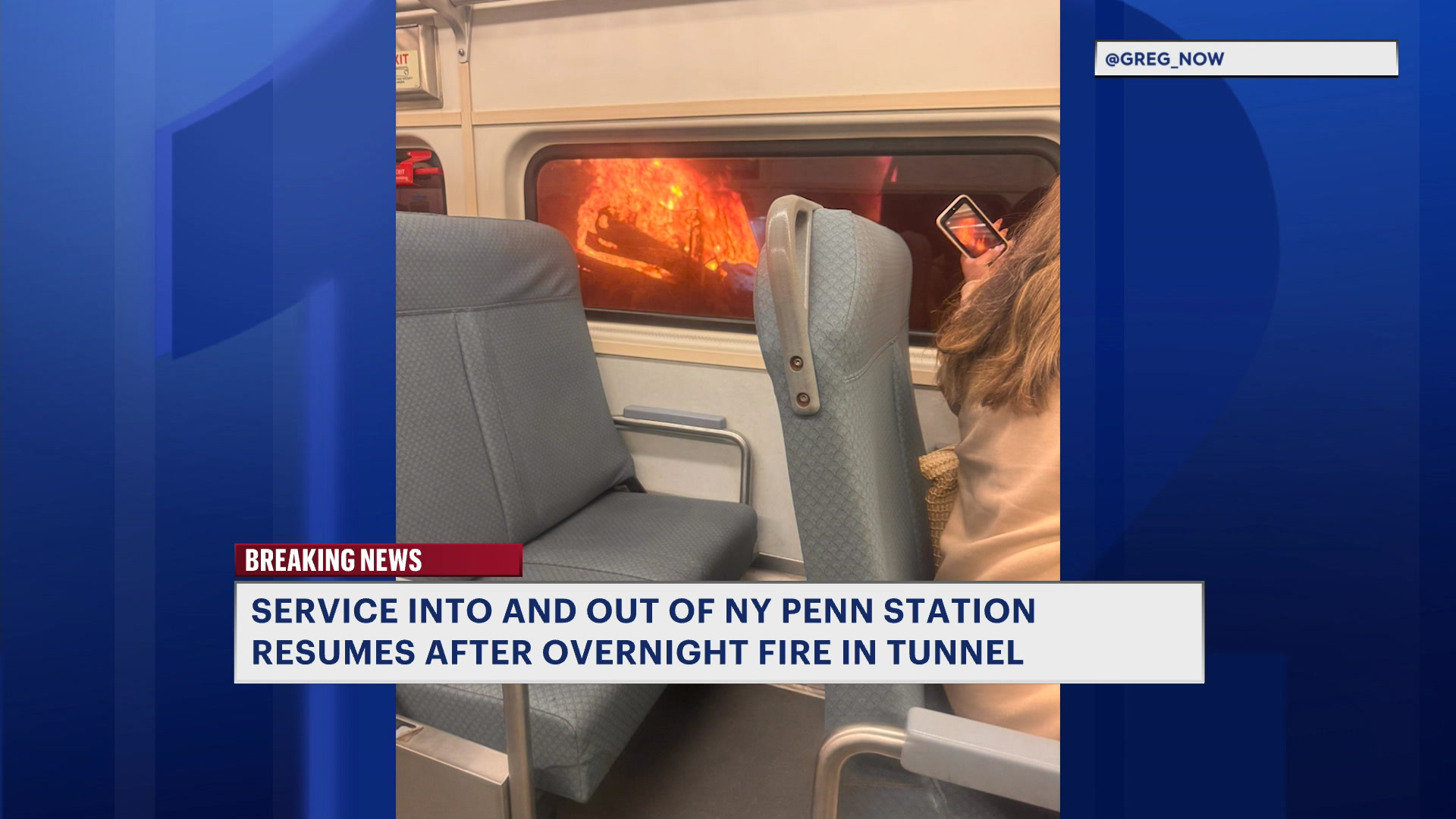
NJ Transit service to and from New York City resumed after a nearly 12-hour shutdown caused by an Amtrak tunnel fire, with Amtrak saying full service will not be restored until Monday morning. The incident damaged overhead wires, signals, track and equipment, injured five people including two seriously, and forced riders into costly alternatives like Uber and car services. The outage disrupted a key commuter corridor used by NJ Transit and Amtrak, but the impact is operational rather than market-wide.
The immediate winner is not simply the alternate operators named in the piece, but anyone providing friction-reducing last-mile transportation when rail reliability collapses. A 12-hour service outage creates a disproportionately large willingness-to-pay spike: riders who normally anchor to a commuter rail price point will tolerate much higher fares for time-sensitive trips, which supports Uber’s revenue mix and surge pricing over the next several days, not just the headline event window. The bigger second-order effect is customer habit damage — every incident nudges business travelers and higher-income commuters toward defaulting to on-demand mobility for backup plans, incrementally raising trip frequency and lowering price sensitivity.
PATH is a quieter beneficiary, but the setup is more tactical than structural. Cross-honoring and diversion traffic can produce a short-lived volume bump, yet the deeper issue is that repeated tunnel disruptions are a credibility problem for the regional rail system, which can shift some marginal commuters into buses, rideshare, or hybrid work patterns rather than creating a durable PATH uplift. If service normalizes by Monday, any PATH benefit likely fades quickly; if there is another tunnel-related disruption within weeks, the market may start assigning a higher resilience premium to the alternative network.
The contrarian read is that Uber’s upside may be underappreciated because the market often frames these events as one-off demand shocks rather than repeated option value on “transportation failure.” However, the trade is event-sensitive: once rail reliability improves, the incremental surge evaporates fast, so chasing strength after the headline is usually poor risk/reward. The true medium-term catalyst is not the current outage itself, but whether this becomes a pattern — a second or third incident would meaningfully raise the probability of sustained modal shift and justify a higher multiple for flexible mobility providers.
For the broader transport complex, every rail failure increases the perceived value of redundancy ahead of peak-demand periods and major events. That matters because the World Cup creates a higher-stakes stress test for infrastructure reliability; investors should treat recurring outages as a lead indicator for contingency spend, operational disruption, and possible regulatory scrutiny across the corridor.
AI-powered research, real-time alerts, and portfolio analytics for institutional investors.
Request TrialOverall Sentiment
moderately negative
Sentiment Score
-0.35
Ticker Sentiment
