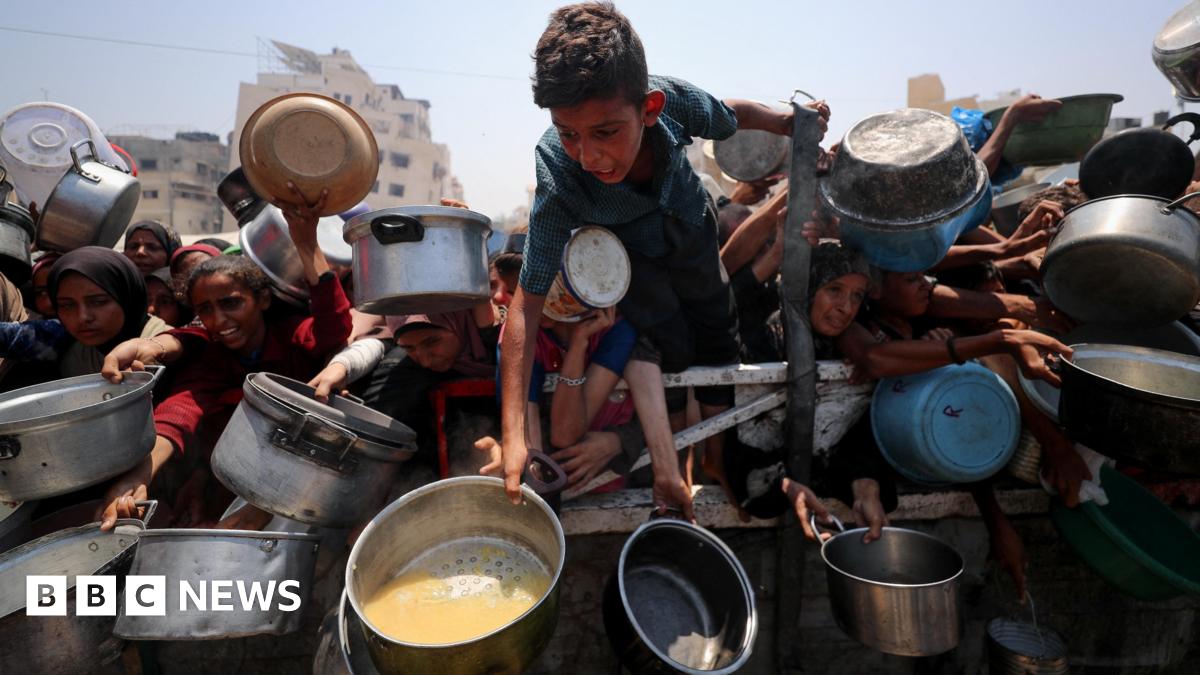
The Israeli military declared a 'local tactical pause' in three Gaza areas, citing deepening humanitarian concerns amidst reports of 127 malnutrition-related deaths, including five on Friday, with two-thirds being children. This escalating crisis, described as 'manmade' by UNRWA head Philippe Lazzarini, reflects the severe conditions and challenges in aid delivery prompting the operational adjustment.
The Israeli military's announcement of a 'local tactical pause' in three areas of Gaza represents a direct operational response to a severely deteriorating humanitarian situation. This development is quantified by reports from the Hamas-run health ministry, which recorded 127 deaths from malnutrition, with two-thirds of the victims being children. The characterization of the hunger crisis as 'manmade' by the head of the UN agency for Palestinian refugees, Philippe Lazzarini, underscores the intense international scrutiny and pressure surrounding aid delivery. Lazzarini's criticism of aid air drops as 'expensive and inefficient' further highlights the significant logistical and political challenges in providing relief, suggesting that such tactical pauses may be necessary but insufficient to resolve the underlying crisis. The event, while significant from a humanitarian and geopolitical perspective, is presented as a localized military adjustment rather than a strategic de-escalation of the broader conflict.
AI-powered research, real-time alerts, and portfolio analytics for institutional investors.
Request DemoOverall Sentiment
neutral
Sentiment Score
0.00
