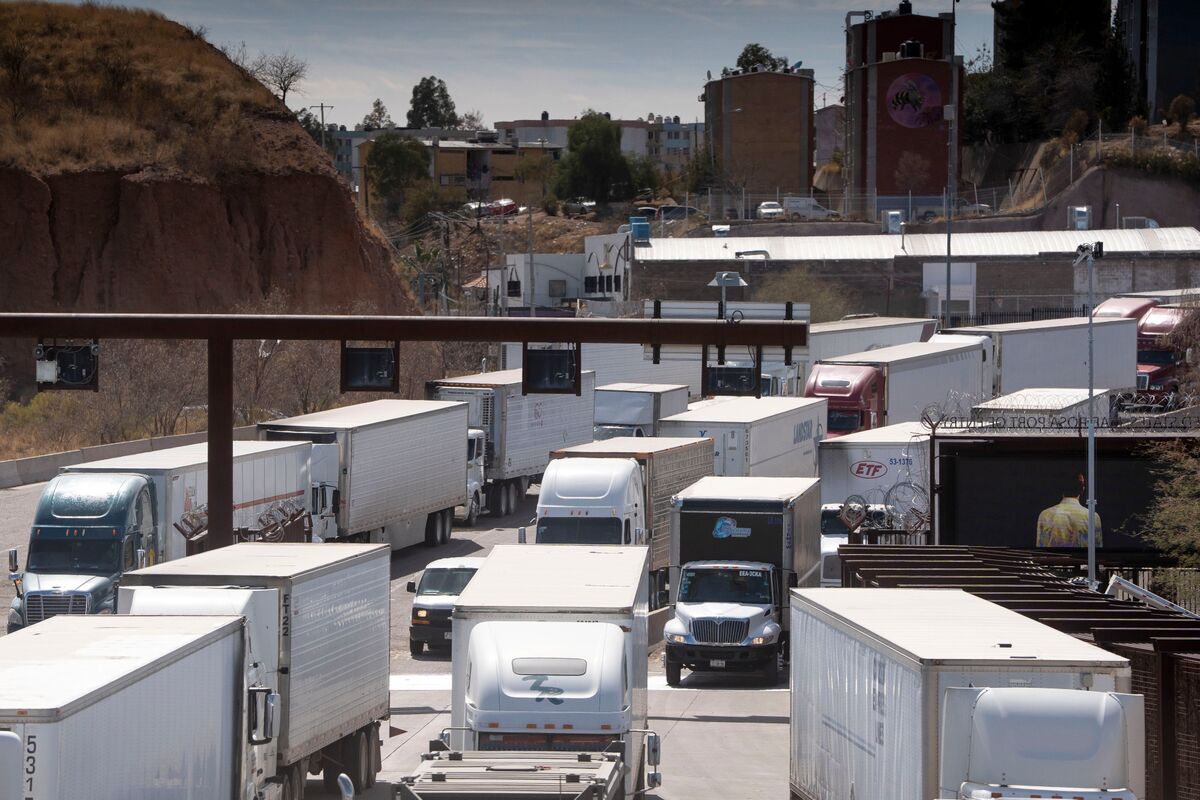
The US government will immediately pause the issuance of worker visas for commercial truck drivers, as announced by Secretary of State Marco Rubio. This action, justified as protecting American lives and livelihoods, is part of the Trump administration's broader initiative to restrict foreign workers, potentially impacting the trucking industry's labor supply and logistics costs.
The U.S. government has enacted an immediate pause on the issuance of worker visas for foreign commercial truck drivers, a policy change announced by Secretary of State Marco Rubio. This action is framed as part of the Trump administration's broader agenda to restrict foreign labor, citing the need to protect American jobs and enhance road safety. The primary implication of this policy is a direct constraint on the labor supply within the transportation and logistics sector, which has historically contended with driver shortages. This tightening of the labor pool is expected to exert upward pressure on wages for domestic drivers, potentially leading to significant operating cost increases for trucking companies. Consequently, these higher costs are likely to translate into increased freight rates, affecting the entire supply chain and potentially impacting margins for industries reliant on ground transportation, including retail and manufacturing. The 'moderately negative' sentiment score (-0.35) reflects these anticipated operational headwinds and cost pressures for the logistics industry.
AI-powered research, real-time alerts, and portfolio analytics for institutional investors.
Request DemoOverall Sentiment
moderately negative
Sentiment Score
-0.35
