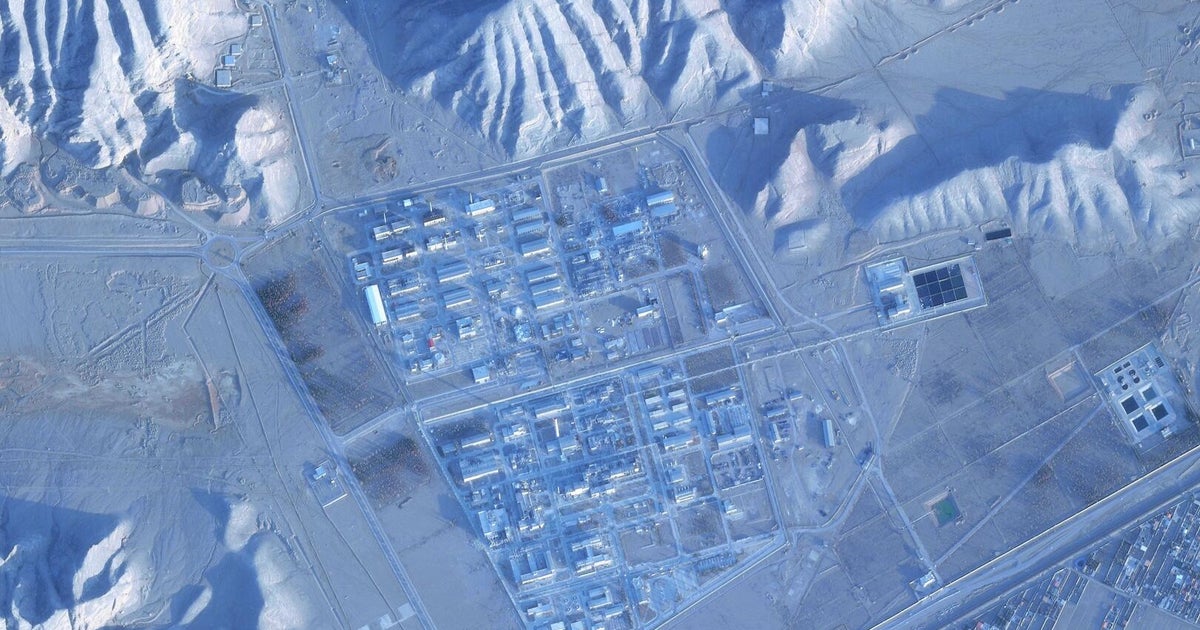
Planet Labs is delaying release of all new imagery of Iran, the Persian Gulf, U.S.-allied bases and existing conflict zones for 14 days to avoid tactical use by adversarial actors; Vantor (formerly Maxar) has similar controls limiting requests and purchases over sensitive Middle East areas. Both firms cite safety concerns, have active U.S. government contracts, and say they consulted with authorities or external experts. The restrictions reduce open-source access that journalists and researchers rely on and could modestly affect commercial demand and reputational dynamics for satellite imagery providers in geopolitically sensitive regions.
The commercial gating of high-frequency geospatial layers has created a scarcity premium for any provider that can deliver low-latency, controlled-access imagery — especially sensors and tasking services that operate outside the open-data window. Expect differential pricing power to shift toward vendors with direct tasking control, SAR capability, or privileged government relationships; downstream analytics firms will face more volatile data input costs and will either absorb margin compression or pass it to end customers. For equities, that bifurcation favors firms whose go-to-market pivots to enterprise/government contracts and penalizes names that rely on broad public visibility or ad-supported workflows.
On timing, the immediate impact is reputational and demand reallocation over days-to-weeks as consumers seek alternatives; the structural impact plays out over quarters as contract negotiations, compliance programs and access-control tooling ramp. Reversal catalysts include de-escalation of the geopolitical flashpoints, legal/regulatory pushback (forcing more transparent access rules), or a rapid capacity increase from non-affected sensor classes (e.g., repeat-pass SAR) which would compress the scarcity premium. Tail risks: governments could mandate stricter export controls or, conversely, nationalize tasking priorities — either outcome could remap revenue pools and valuation multiples across the sector.
Second-order winners include cloud/AI firms that monetize gated feeds through hosted analytics, and legacy defense primes that can bundle ISR hardware, analytics and classified delivery as a single procurement. Losers are mid-tier commercial imagery/analytics startups built on the expectation of open feeds; expect consolidation, acquisition arbitrage, and margin pressure that creates 6–18 month windows for strategic buyers to scoop up distressed innovators.
AI-powered research, real-time alerts, and portfolio analytics for institutional investors.
Request DemoOverall Sentiment
mildly negative
Sentiment Score
-0.15
Ticker Sentiment
