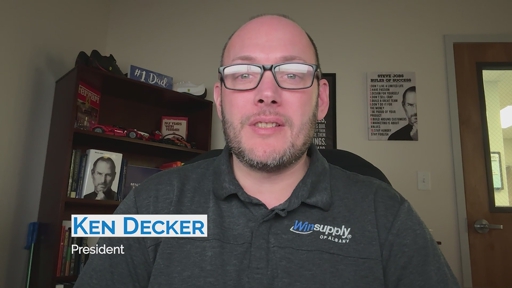
A HelloNation piece on Albany plumbing and HVAC contractors argues that winning “nearly every job” often signals bids are priced too low. It emphasizes fully burdened labor rates (including payroll taxes, workers’ comp, benefits, paid time off, and non-billable travel/prep time) plus overhead and job-specific risk as drivers of true project costs. The article promotes value-based pricing—aiming for target margins rather than competing solely on lowest price—to support sustainable operations and hiring through slow periods.
This reads as a margin-normalization story, not a demand-growth catalyst. The immediate economic transfer is from price-sensitive customers to better-capitalized local operators that can finally earn their cost of capital; the losers are the chronically underbid independents that look busy but quietly destroy working capital. Over time, that tends to accelerate consolidation because firms with disciplined pricing can fund dispatch, inventory, and service quality, while weaker shops become acquisition targets.
For public-market read-through, the cleanest beneficiaries are not consumer retailers but the plumbing/HVAC distribution stack and any service platform with brand and financing power. The second-order effect is that healthier contractors usually mean steadier replenishment orders and lower bad-debt risk, even if job counts soften a bit; that is better for distributors than for low-end competitors. TGT has essentially no direct exposure here, so I would not force a consumer-demand interpretation.
Time horizon matters: near-term price action should be negligible; the first real test is 1-3 month commentary from distributors and home-service names on conversion rates, average ticket, and backlog quality. Over 6-18 months, the structural winner is whoever can hold pricing without losing the customer. Contrarian view: the market often misreads higher quotes as demand destruction when it is frequently just margin repair; the actual risk is not price increases themselves, but a sharp rise in customer delinquency or DIY substitution if household budgets tighten.
AI-powered research, real-time alerts, and portfolio analytics for institutional investors.
Overall Sentiment
neutral
Sentiment Score
-0.05
Ticker Sentiment
