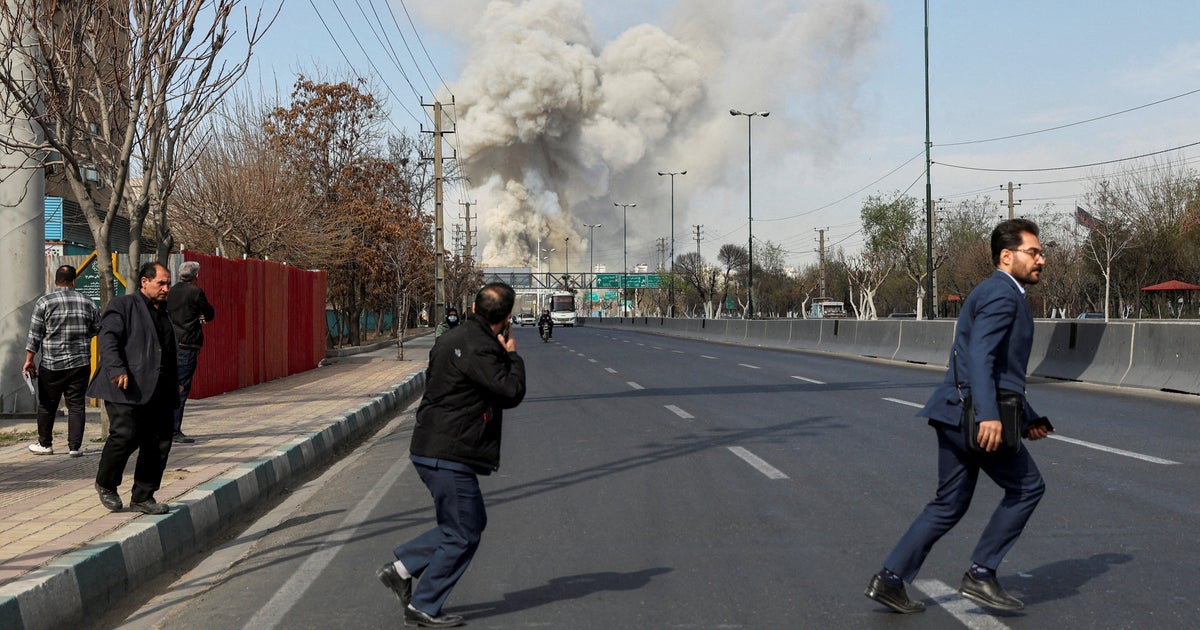
A rapidly escalating U.S.-Israeli campaign and reciprocal Iranian strikes have spread across the Gulf and neighboring states, with independent and official tallies citing more than 1,600 drones and hundreds of missiles launched, Iranian deaths in the range of roughly 1,097–1,230, and episodic battlefield and maritime attacks. Gulf airspace and commercial operations remain severely disrupted (Israel restricting flights, Qatar Airways running limited relief service, Abu Dhabi resuming constrained operations), several Gulf states report large daily interceptor usage and warn they are running low, and a Bahamas‑flagged tanker (Sonangol Namibe) reported a possible sea‑drone strike near Iraq/Kuwait waters. These dynamics imply elevated upside risk to oil and insurance prices, supply‑chain and shipping disruption, and continued defense demand—supporting a precautionary, risk‑off posture for portfolios sensitive to energy, shipping, and regional geopolitical exposure.
Market structure: Immediate winners are U.S. and European defense primes (RTX, LMT, NOC) and energy exporters; losers are commercial aviation, Gulf logistics, regional insurers and EM sovereign credit. Expect pricing power to shift toward makers of interceptors/precision munitions as Gulf states accelerate emergency buys — inventory drawdowns create a 3–9 month supply squeeze that favors large primes with excess production capacity.
Risk assessment: Tail risks include a Strait of Hormuz choke (Brent +40–100% to $120–$200) or a wider ground invasion triggering sustained sanctions and global recession. Time horizons: days — sharp risk-off and travel blowups; weeks–months — defense orders, insurance rate resets, oil volatility; quarters+ — reordering cycles and capital spending by Gulf states. Hidden dependencies: maritime insurance spikes and port disruptions can amplify inflation and hit global supply chains, feeding back into equities and FX.
Trade implications: Relative-value: long defense and oil, short travel/leisure and regional shipping. Options are efficient: buy 3–6 month calls on defense names and staggered call spreads on Brent/WTI; buy put protection on broad travel ETFs. Rotate from cyclicals into quality energy and defense until clear de-escalation (60–90 day window).
Contrarian angles: Consensus may overshoot on permanent travel demand loss; high-quality airlines (LUV) with strong liquidity could rebound once limited air corridors reopen. Conversely, defense stocks may already price a fraction of procurement risk — interrogate order-book visibility before adding size. Historical analogue: 1990 Gulf shock produced sharp oil spike then mean reversion over 6–12 months; price triggers should govern scaling decisions.
AI-powered research, real-time alerts, and portfolio analytics for institutional investors.
Request TrialOverall Sentiment
strongly negative
Sentiment Score
-0.70
Ticker Sentiment
