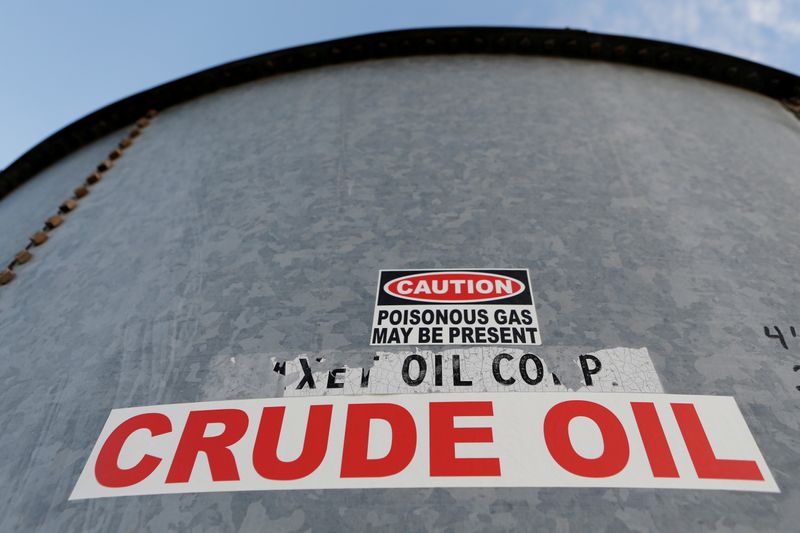
Japan will release a record 80 million barrels of oil (about 45 days of supply), reducing national reserves by ~17%, to blunt supply shocks from the U.S.-Israeli war on Iran and disruptions in the Strait of Hormuz. The plan includes tapping 15 days of private-sector stocks immediately and a month's worth from state reserves later this month; Japan currently holds ~254 days of consumption. It is unclear how much of the 80 million barrels will be contributed to the IEA’s coordinated 400 million-barrel release, and analysts warn reserves mainly buy time and cannot fully offset a prolonged closure of the Hormuz route.
Drawing down strategic crude buffers is a tactical fix that shifts the marginal market tightness from oil barrels to logistics, insurance and refinery configuration. Expect rerouted supply to raise tanker time-charter equivalent (TCE) costs and marine insurance spreads within 2-6 weeks, which acts like a per-barrel adder to delivered crude costs and feeds directly into regional product cracks.
The winners from this dynamic are refiners and trading houses with flexible conversion capacity and on-site storage — they can capture wider inter-month and location spreads by switching feedstocks or storing barrels on contango. Conversely, light-crude dependent refiners and downstream consumers with tight feedstock contracts will see margin compression and higher pass-through to industrial / jet fuel users over a 1-3 month horizon.
Geopolitical escalation is the non-linear tail: a kinetic incident that threatens ships or chokepoints would spike volatility and prices within days and could prompt policy responses that reverse flows (diplomatic/escort operations), normalizing shipping costs within 1-3 months. For equities, the macro result is classic: higher energy-driven inflation increases policy uncertainty and volatility, favoring durable, mission-critical capex (AI hardware, data center infrastructure) over ad/marketing cyclical spend — an axis to convert into pair trades and option hedges over the next quarter.
AI-powered research, real-time alerts, and portfolio analytics for institutional investors.
Overall Sentiment
mildly negative
Sentiment Score
-0.30
Ticker Sentiment
