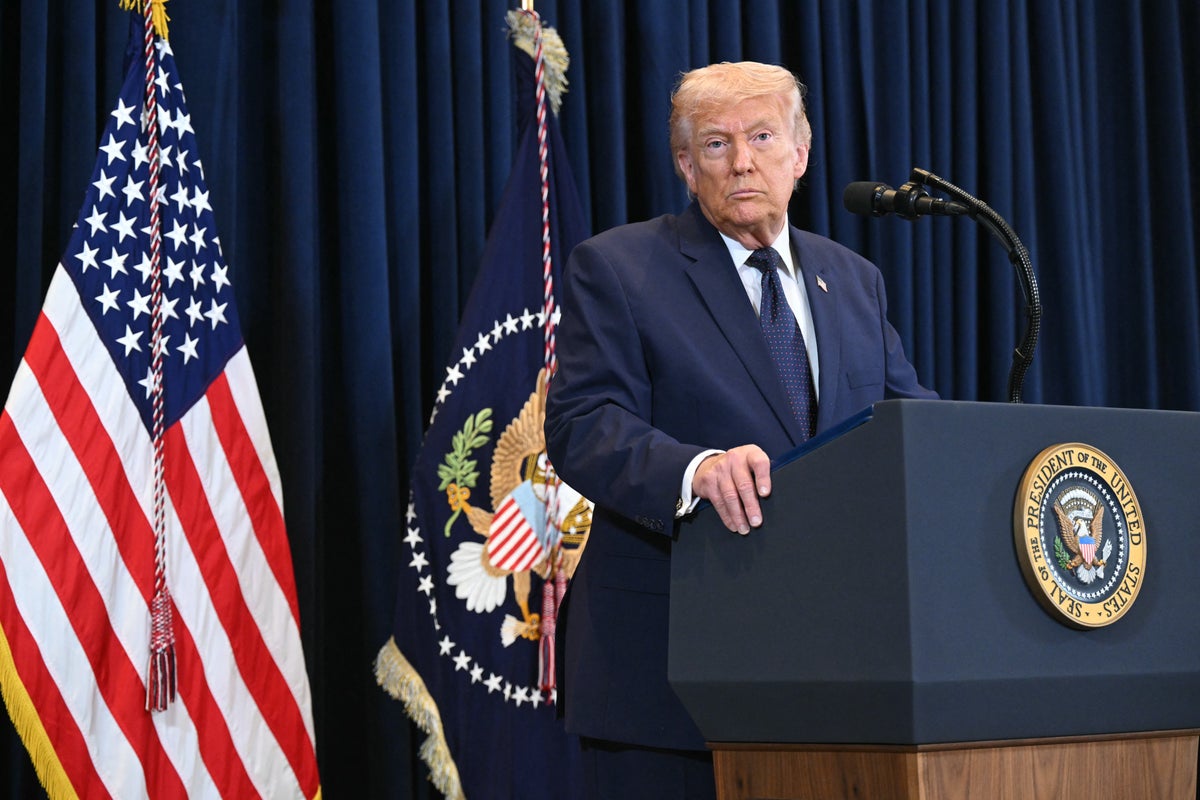
The Iran war remains unresolved as Trump warns Tehran to “get smart soon,” while reports say Washington is preparing for a prolonged blockade of the Strait of Hormuz. The conflict is already costing Iran an estimated $435m per day, driving the rial to a record low of 1,810,000 per dollar and raising the risk of a 24% surge in energy prices in 2026 if disruptions continue. The UAE’s exit from OPEC adds further pressure to oil markets and regional stability, increasing the likelihood of broader market volatility.
The market is still underpricing the asymmetry between a short, negotiated de-escalation and a drawn-out maritime standoff. In the near term, the bigger signal is not the rhetoric but the policy choice: Washington appears willing to trade headline military action for persistent pressure that keeps shipping friction elevated. That is a classic setup for a volatility regime change in energy, FX, and cross-border trade—especially because the damage compounds through shipping insurance, working-capital needs, and inventory hoarding before it shows up in spot barrels.
The second-order losers are broader than the usual energy importers. UK macro is a cleaner transmission channel than US CPI: a sustained energy shock feeds directly into real-income compression, industrial margins, and rate-cut timing, so UK domestic cyclicals and leveraged consumer credits should underperform even if the global oil move eventually fades. In EM FX, the pressure is most acute in currencies with large external funding needs and limited reserve buffers; a weaker rial is also a reminder that capital controls can delay, but not prevent, an inflationary spiral.
The most interesting contrarian angle is that the market may be overestimating how much further a blockade can move oil from here before demand destruction and policy response cap upside. If the current standoff lasts weeks rather than months, energy equity beta likely outperforms the commodity itself, but outright crude longs become less attractive once forward curves steepen and governments start coordinating releases, diplomacy, or shipping workarounds. The real tail risk is not higher spot oil; it is forced repricing of global recession odds if logistics disruption spreads into July/August restocking and air freight.
For defense, the opportunity is more selective: a prolonged blockade increases demand for surveillance, anti-ship, and integrated air defense, but the market will likely fade pure-play headline names unless there is explicit procurement follow-through. The better setup is to own names with direct Middle East throughput exposure or near-term budget catalysts, not broad defense baskets that are already crowded.
AI-powered research, real-time alerts, and portfolio analytics for institutional investors.
Request DemoOverall Sentiment
strongly negative
Sentiment Score
-0.68
Ticker Sentiment
