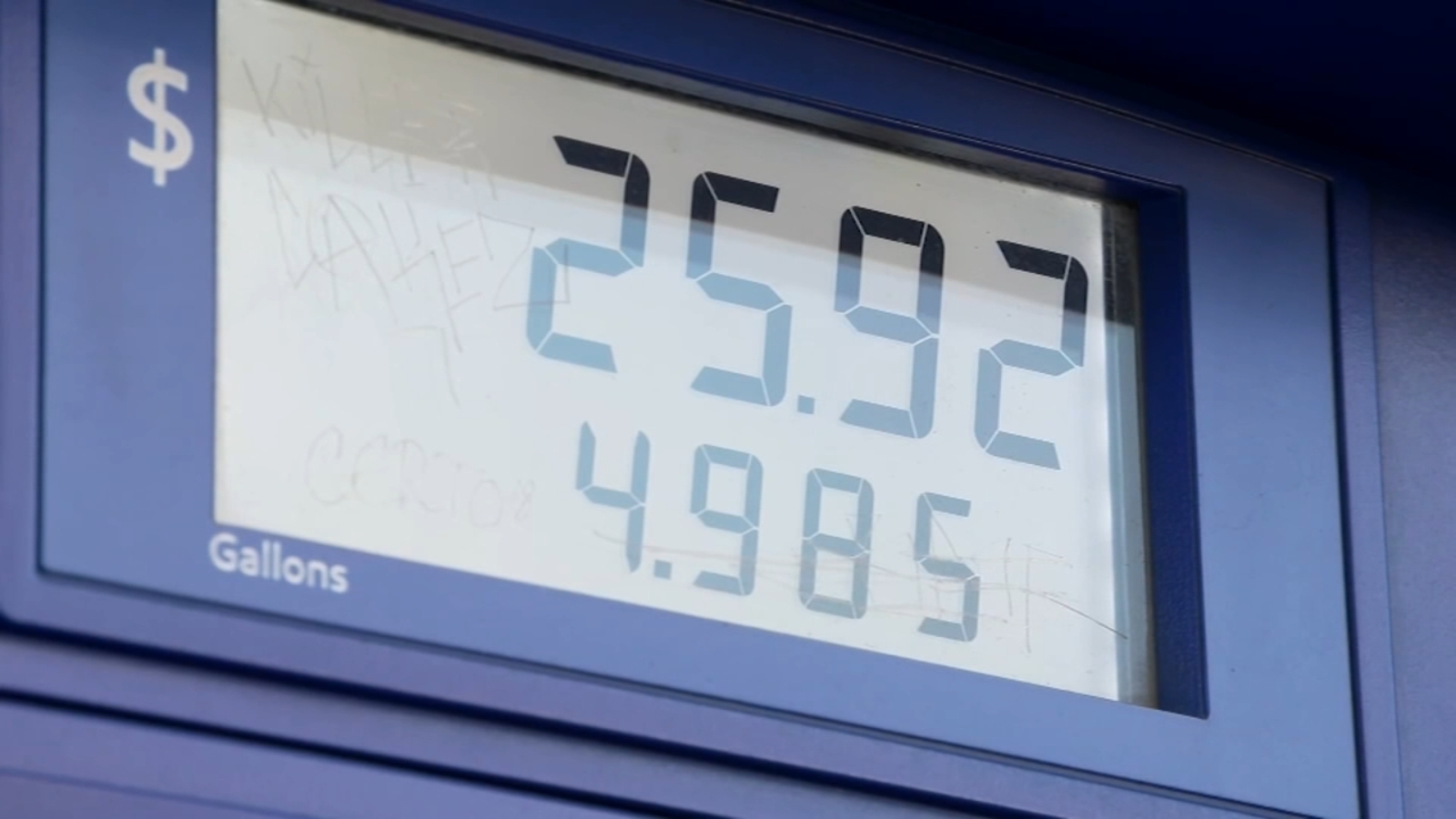
Average retail gasoline in North Carolina is $3.26/gal and jet fuel has risen from $2.50 to $3.95/gal. Analysts attribute price swings to geopolitical instability and disrupted tanker routes (Strait of Hormuz), and airlines warn they cannot absorb sustained jet-fuel cost increases, which could lead to higher airfares, fuel surcharges and fees. Consumers report rethinking or canceling travel plans, and experts advise booking early while expecting continued volatility until shipping routes normalize.
Immediate pressure on airline margins will concentrate on carriers with large long‑haul, widebody footprints and limited fuel hedges; those operators face a two‑front hit from rising product costs and price‑sensitive leisure demand, forcing more aggressive ancillary monetization. Regional and low‑cost, short‑haul operators have more optionality to reprice quickly and can use network flexibility to protect unit revenues, creating a divergence in forward EBITDA trajectories across the sector.
Second‑order winners include refiners and selective E&Ps that can capture widening product cracks or incremental crude price pass‑through; refiners with conversion capacity for middle distillates (jet/ diesel) and logistics to markets with immediate demand will see the fastest margin uplift. Consumer discretionary pockets tied to discretionary travel (premium hotels, high‑end rental cars) are at risk of demand trimming; this will likely shift some seasonal spend toward shorter trips and domestic alternatives, compressing RevPAR and daily rental yields in the near term.
Catalysts that would reverse the current trend are clear: rapid de‑escalation in Gulf supply risks, coordinated SPR releases or a meaningful downward revision in summer travel demand expectations. Over the coming 1–3 months the market will price the interaction between fuel curves and airlines’ fare actions — if carriers successfully monetize surcharges early, equity downside will be muted; if they defer, cash‑flow stress and credit widening follow, pushing relative value into distressed financing territory.
AI-powered research, real-time alerts, and portfolio analytics for institutional investors.
Overall Sentiment
moderately negative
Sentiment Score
-0.30
Ticker Sentiment
