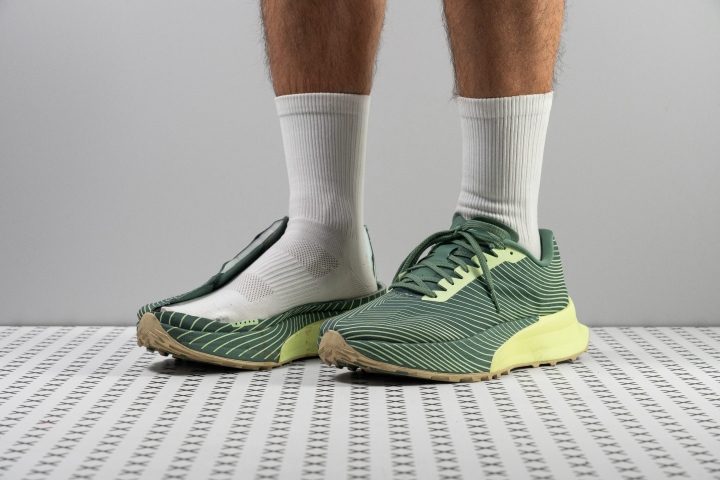
Nike’s ACG Ultrafly Trail is a meaningfully improved trail super shoe, highlighted by a 75.4% energy return, 38.1 mm heel stack, 9.8 oz (278g) weight, and strong wet-grip result of 0.77 with Vibram Megagrip Litebase. The review praises its stable ride, plush ZoomX cushioning, and cold-weather performance, while noting drawbacks including a $260 price, shallow 3.0 mm lugs, limited breathability, and a high 10.7 mm drop. Overall, it appears best suited for ultrarunners on easy terrain or gravel rather than technical trails.
This reads less like a one-off premium shoe review and more like evidence that Nike is finally learning how to translate its road super-shoe stack into trail premiumization. The important second-order effect is not unit volume from hardcore trail runners; it is pricing power and brand halo in a category where technical credibility is a gatekeeper. If Nike can keep improving ride quality while preserving Vibram and ZoomX, it should incrementally pull demand from legacy trail specialists that compete mostly on performance and not on fashion/aspirational cachet.
The trade-off is segmentation risk: the product is optimized for fast, predictable terrain, not the broad middle of trail use cases. That matters because premium trail shoes are usually bought by enthusiasts who want versatility first; if the shoe is too specific, sell-through can plateau after the initial enthusiast wave, especially at this price point. In other words, this is more of a margin-accretive halo launch than a near-term volume catalyst, and the market should not extrapolate it into a broad trail-market share grab.
The most interesting competitive read-through is on suppliers and copycat pressure. Vibram remains the quiet winner as Nike keeps validating its outsole architecture in premium footwear, while rivals will likely respond by emphasizing lower-drop, more technical, or more breathable variants rather than trying to match the exact formula. The main risk is that Nike over-indexes on elite/performance positioning and under-indexes on comfort across climates, which could limit repeat purchases outside cold-weather and ultra niche use cases.
AI-powered research, real-time alerts, and portfolio analytics for institutional investors.
Request DemoOverall Sentiment
moderately positive
Sentiment Score
0.55
Ticker Sentiment
