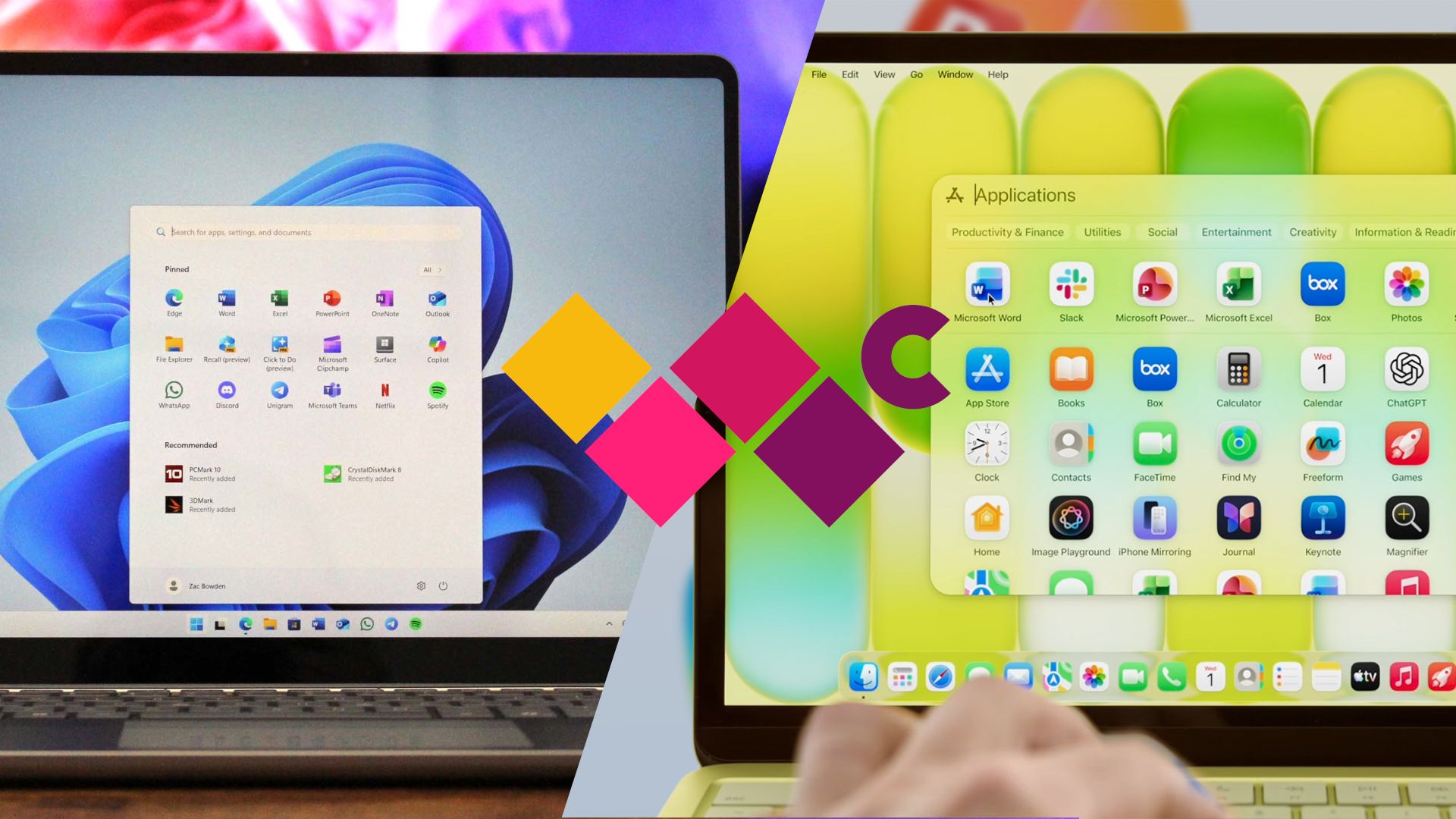
Microsoft's Surface Laptop 13-inch now starts at $1,149.99 versus the $599 MacBook Neo, making the Surface a tougher value proposition despite stronger battery life (17h14m vs. 13h28m) and better multi-core performance. The Neo wins on price, display quality, single-core CPU/GPU performance, and overall value for budget buyers, while the Surface offers more ports, 16GB RAM, and a backlit keyboard. The piece is a comparative product review rather than a market-moving event, so the likely stock impact is limited.
This is less a laptop comparison than a signal that Microsoft has re-priced its low-end hardware strategy into a niche-product problem. At the new level, the Surface line stops competing on absolute value and becomes a Windows-only retention tool, which is usually a weaker commercial posture than selling a broad, default choice. That likely shifts unit demand toward higher-end Surface configurations or corporate procurement channels, while pressuring consumer attach rates and reducing the odds of meaningful volume share gains.
For Apple, the implication is that the low-end Mac becomes an ecosystem on-ramp rather than a margin sacrifice. The product is good enough to pull price-sensitive buyers into the installed base, and once that happens, follow-on monetization through services and accessory upgrades matters more than the initial hardware margin. The bigger second-order winner may be component efficiency: Apple’s tighter BOM and platform control let it preserve an attractive entry price without needing feature parity, which is strategically more important than winning benchmark tables.
Qualcomm’s read-through is more nuanced. The stronger multi-core story is helpful for validating ARM Windows messaging, but it does not translate into consumer pull if the software and price/perception gap remains wide. In the near term, this helps Qualcomm in enterprise proof-of-concept discussions, but over months it risks reinforcing that ARM Windows wins on battery and niche workloads while losing the mainstream “default laptop” decision.
The contrarian risk is that the market overweights benchmark deltas and underweights pricing elasticity. If Microsoft keeps premiumizing the entry Surface tier, it could compress demand faster than investors expect, while Apple’s low-end device could be quietly gaining share from first-time buyers and switchers. The reversal catalyst would be a Surface refresh with a materially lower entry price or a bundled software/services pitch that restores value perception within one product cycle.
AI-powered research, real-time alerts, and portfolio analytics for institutional investors.
Request DemoOverall Sentiment
neutral
Sentiment Score
0.05
Ticker Sentiment
