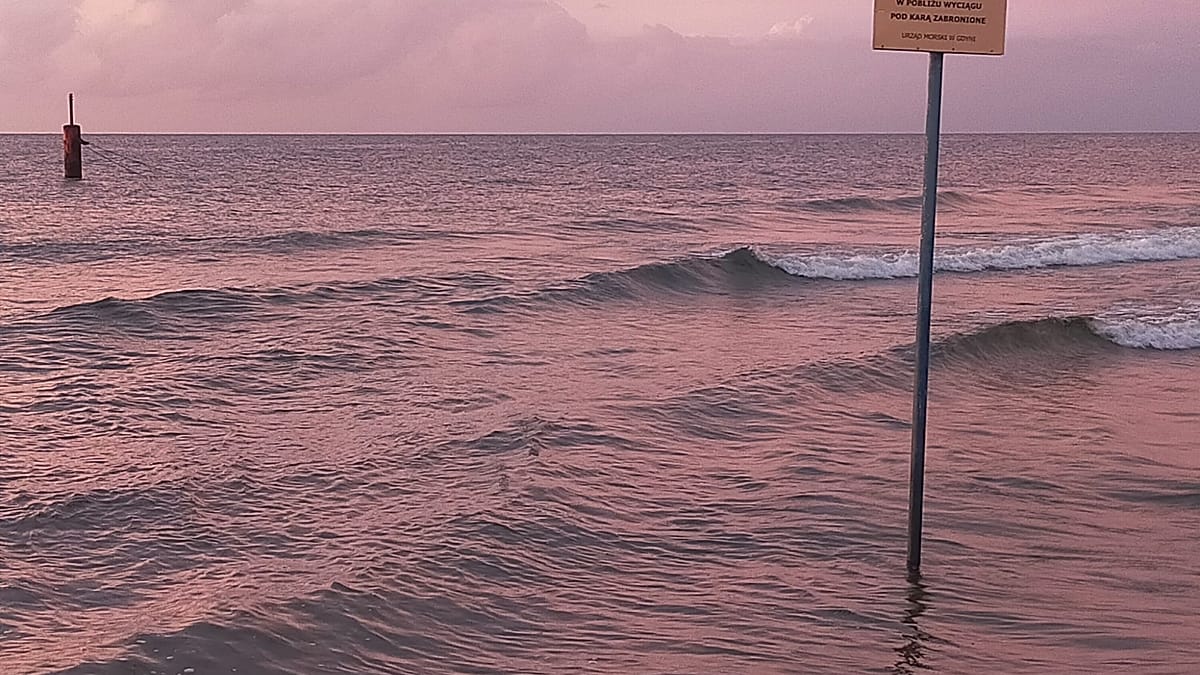
The Baltic Sea experienced an abrupt drop of roughly 275 cubic kilometres (275 billion tonnes) of water in early February and is currently about 67 cm below the 1886 average, an anomaly not seen in ~140 years that experts attribute to climate-driven atmospheric patterns and Arctic warming. Consequences noted include increased algal blooms, lower salinity and oxygen stress that degrade fisheries (notably cod spawning habitat), longer purification times (decades), and broader ecosystem collapse risks that could pressure regional fishing economies, heighten ESG/regulatory scrutiny, and raise environmental liabilities around seabed mining for rare earths.
Market structure: Winners are water-technology and environmental-engineering providers (desalination, wastewater treatment, dredging) and ESG/resilience infrastructure funds because urgent adaptation drives multi-year contracted CAPEX; losers include Baltic/coastal fisheries, some regional shipping/ports and (re)insurers exposed to weather volatility. Expect pricing power for specialist contractors (membranes, dredging vessels) as skilled capacity is limited; procurement cycles will push tender premiums 10-30% on peak jobs in the next 12–36 months.
Risk assessment: Tail risks include rapid regulatory bans on seabed mining or emergency fishing quota cuts that could wipe out small fisheries or Arctic exploration projects — low probability but multi-hundred-million-euro impacts for niche operators. Immediate (days/weeks) risks: localized shipping/draft constraints and headline-driven vol; short-term (3–12 months): EU adaptation funding and quota decisions; long-term (3–10 years): ecosystem shift reducing marine yields and raising recurring adaptation spend. Hidden dependencies: fertilizer/agriculture policy drives eutrophication, and energy availability limits desalination scale-up (2nd-order capex + OPEX effects).
Trade implications: Prefer selective longs in water-tech and environmental services (Xylem XYL, Veolia VIE.PA, Pentair PNR) with 1–3% allocations and 6–12 month option overlays; underweight/hedge European property insurers (Munich Re MUV2.DE, Allianz ALV.DE) via 3–6 month OTM puts (10–20% OTM). Pair trade: long XYL (1.5–2%) vs short MOWI.OL (Mowi) 1% to express structural stress on wild-capture/nearshore aquaculture; rotate out of Baltic-focused shipping/ports into climate-resilience contractors over next 2–6 weeks, scale to targets over 3 months.
Contrarian angle: Market consensus will focus on headline biodiversity loss and overestimate immediate insurer P&L hits while underpricing multi-year adaptation capex and recurring revenues to water-tech firms. Historical parallels (2018 heatwave-driven resilience issuance) suggest rapid policy/tax incentives follow extreme events — a catalyst that would re-rate infrastructure and water-tech by 15–40% within 12–24 months. Beware unintended consequences: large desalination rollouts raise power demand, creating cross-asset alpha in renewable power producers (e.g., Ørsted ORSTED.CO, Iberdrola IBE.MC) that supply new capacity.
AI-powered research, real-time alerts, and portfolio analytics for institutional investors.
Request DemoOverall Sentiment
moderately negative
Sentiment Score
-0.50
