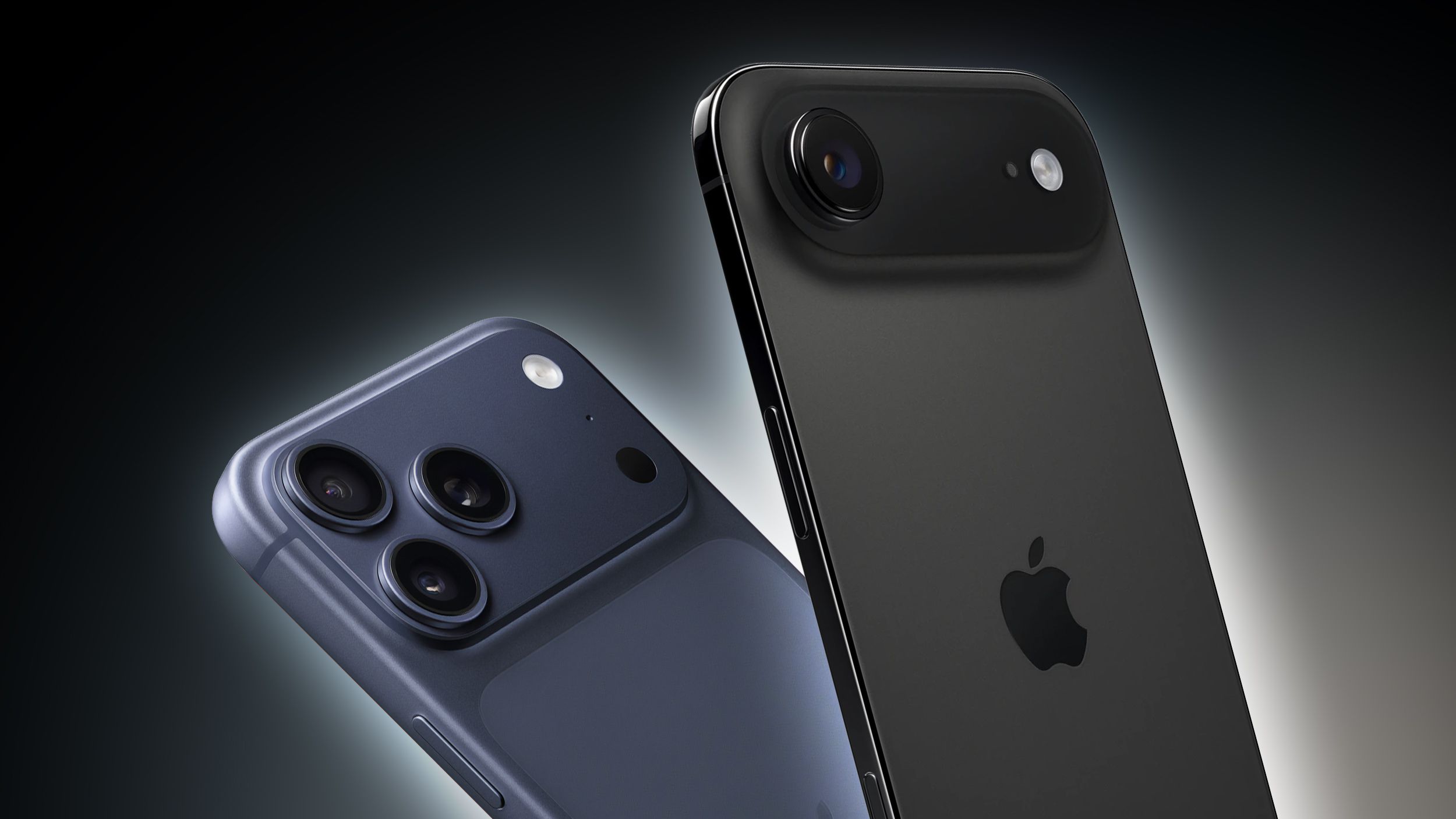
Apple's latest iPhone models may have a hit-or-miss charging issue after complete battery depletion, with users reporting that USB-C charging sometimes fails to show the red battery icon or turn the device on for many minutes. The issue appears to affect at least the iPhone Air, iPhone 17 Pro Max, and some standard iPhone 17 units, and does not seem resolved in iOS 26.4.1 or 26.4.2. Apple has not commented publicly, and the problem is unlikely to be materially market-moving unless it broadens or remains unresolved.
This is not a meaningful earnings risk for Apple, but it is a brand-friction issue that hits exactly where the company is most vulnerable: premium-device reliability at the moment of battery exhaustion. The direct financial impact is likely immaterial, yet the second-order risk is more subtle — repeated anecdotal failure loops can elongate the replacement cycle for users already near an upgrade decision, especially if the story spreads through enthusiast channels before a clean software explanation emerges.
The more important takeaway is that this points to a quality-control or power-management edge case that may be exposed disproportionately in newer hardware and newer iOS builds. If the root cause is software, the downside window is short and should compress quickly once Apple acknowledges it; if it is a hardware/firmware interaction, the remediation timeline stretches into months and creates a tail risk around returns, support costs, and carrier-channel dissatisfaction. Either way, the issue is more reputational than monetary, but reputation risk matters more for AAPL than for most large caps because it can affect attach rates for services and accessory ecosystems.
RDDT is a secondary beneficiary only insofar as these complaints are being surfaced and aggregated on consumer forums; it is not a direct trade on the issue, but it can see incremental engagement if a thread gains traction. The contrarian angle is that the market may over-interpret scattered anecdotes as a broad product flaw; given the low stated incidence and the fact that a MagSafe workaround exists, this may end up as a narrow bug rather than a demand problem. The key catalyst is Apple’s response cadence over the next 1-3 weeks — a quick patch would likely erase the controversy, while silence through another iOS release would make the issue self-reinforcing in social media and retail stores.
AI-powered research, real-time alerts, and portfolio analytics for institutional investors.
Request DemoOverall Sentiment
mildly negative
Sentiment Score
-0.18
Ticker Sentiment
