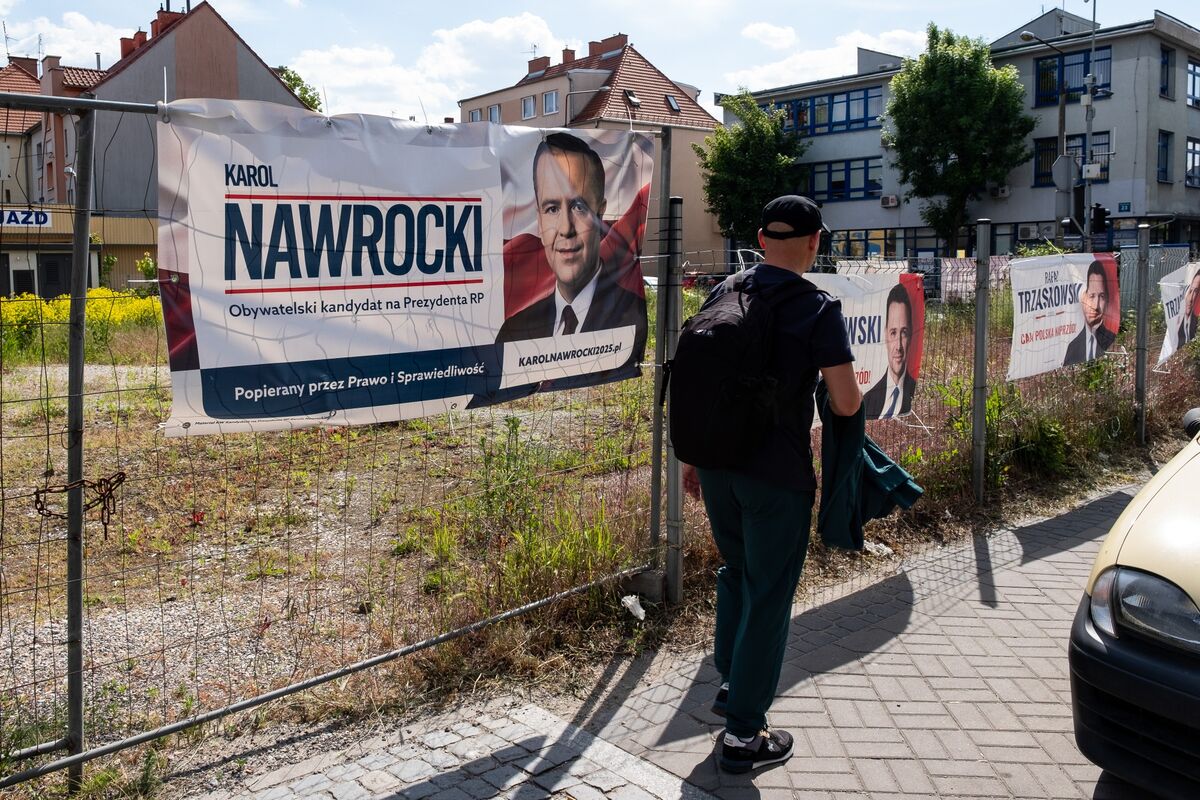
Following a period of relative stability, Poland's upcoming elections are creating renewed uncertainty for investors in the Central and Eastern European region, as pro-European Union forces face a potentially close vote. This development follows recent political shifts in Romania and suggests continued political volatility in the region.
The upcoming Polish elections are introducing renewed political uncertainty for investors, particularly as pro-European Union forces face a contest described as a "cliffhanger vote." This development, occurring just as investors might have anticipated a period of greater stability, contributes to a "moderately negative" sentiment and an "uncertain" tone regarding the outlook for the region. The situation in Poland, following a recent "reprieve" for the political mainstream in Romania, underscores persistent political volatility across Central and Eastern Europe, potentially impacting investor confidence and asset valuations. The market impact score of 0.5 suggests a tangible, though not extreme, level of concern stemming from these political dynamics.
AI-powered research, real-time alerts, and portfolio analytics for institutional investors.
Request DemoOverall Sentiment
moderately negative
Sentiment Score
-0.50
