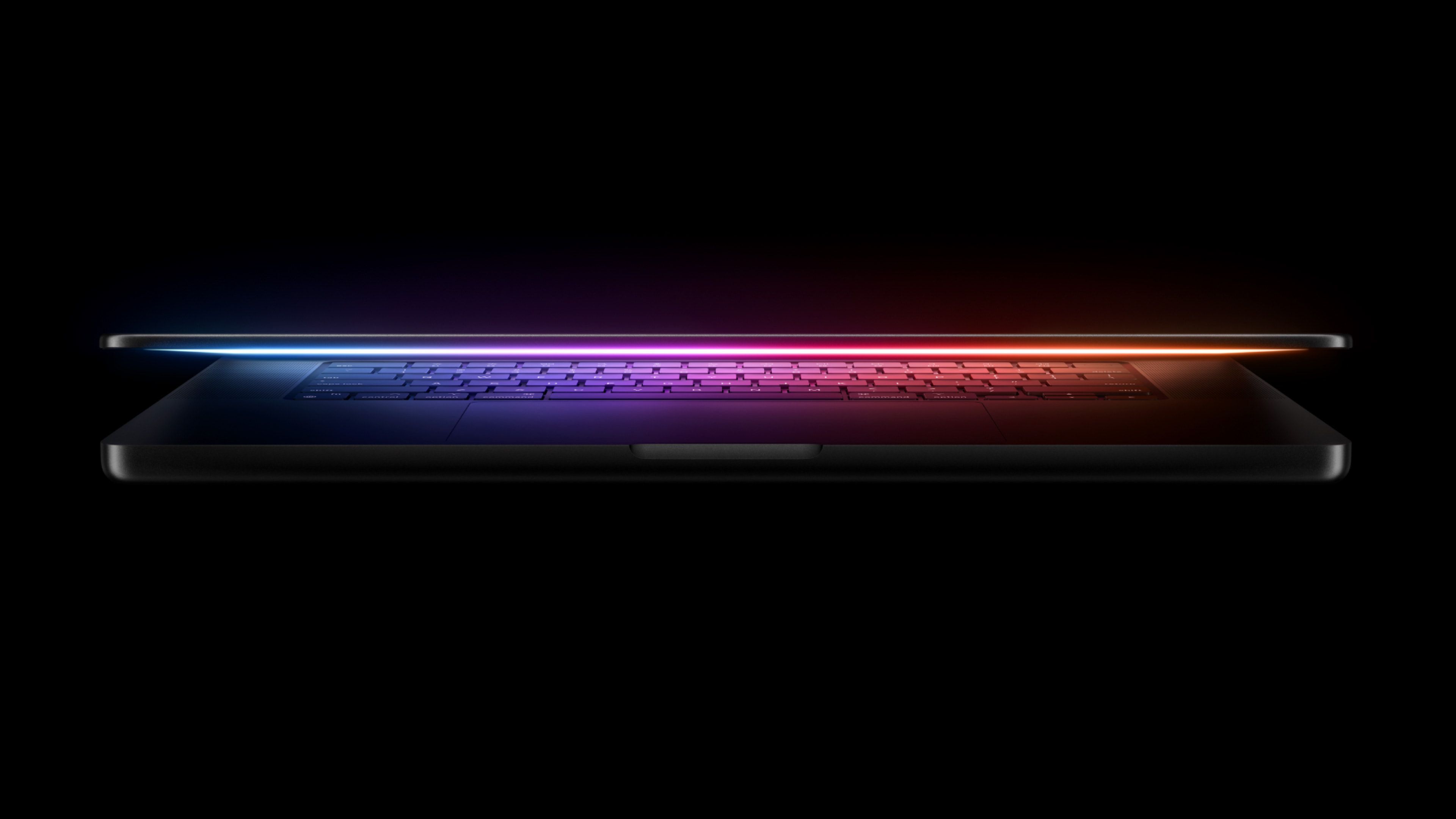
New MacBook Air, MacBook Pro and MacBook Neo models launching Wednesday include a subtle keyboard change: U.S. English keycaps for tab, caps lock, shift, return and delete now show glyphs instead of text. The update applies to devices using the default U.S. English layout in markets including Canada, Australia, New Zealand and Singapore, and mirrors existing European layouts. This is a cosmetic design change with negligible impact on Apple's financials or demand.
This is a classic marginal-design change that signals process-level optimization rather than a consumer-driven product differentiation; the value is realized through manufacturing and post-sale channels, not retail pricing. Standardizing visual elements reduces variant SKUs, which compresses tooling/printing set-up time and increases flexibility to reallocate finished goods across regions during the critical 4–8 week launch window — that reduces stock-outs and markdown tail risk by a few percentage points of unit sales during ramps. For suppliers, the effect is asymmetric: large contract assemblers (scale players) capture the operational benefit from simplified changeovers, while small specialty vendors whose economics depend on fragmentation may see per-unit revenues decline over quarters. The primary market catalyst is sales mix and supply-flex metrics in the next two quarters (units shipped to open-channel vs backorders); expect any measurable margin improvement to show up subtly in supplier cash conversion and Apple’s inventory turns over 3–6 months rather than the upcoming earnings call.
AI-powered research, real-time alerts, and portfolio analytics for institutional investors.
Request DemoOverall Sentiment
neutral
Sentiment Score
0.00
Ticker Sentiment
