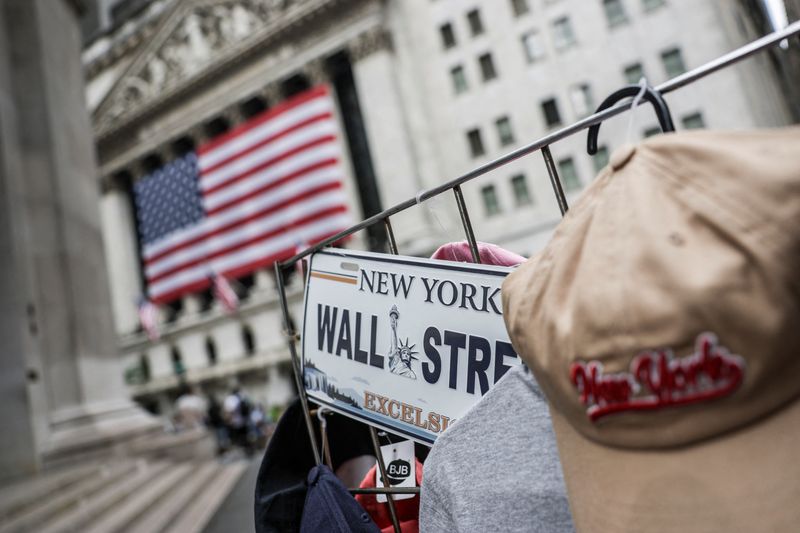
Goldman Sachs now expects 100 IPOs totaling $160 billion in 2026, down from its prior 120-IPO forecast, but notes the IPO pipeline remains robust and investor appetite for new issuance is still strong. The average 2026 IPO is up 19% on its first trading day, while the first eight IPOs in Q2 averaged a 27% debut gain versus 16% in Q1. SpaceX is highlighted as a potential mega IPO, with a possible valuation above $1.75 trillion and a planned $75 billion raise, though timing and software-heavy backlog remain key risks.
The market is signaling that scarcity, not just growth, is still the primary driver of IPO pricing power. A heavier-than-expected first-day pop usually means the aftermarket is being funded by momentum/benchmark buyers rather than durable fundamental demand, which creates a short-lived reflexive bid but also a fragile float once lockup overhang and secondary supply arrive. That tends to favor underwriters and pre-IPO holders in the near term, while increasing the probability that post-listing returns compress over the following 1-3 months.
The more important second-order effect is on private-market funding timing. If late-stage names see a better reception window in the public market, boards may accelerate listings to de-risk balance sheets before volatility returns; if the window tightens, the backlog can quickly migrate back into private rounds, keeping valuation marks elevated for a few more quarters. The concentration in software matters because software IPOs are the most sensitive to duration and multiple compression, so a narrow leadership group can make the aggregate IPO tape look healthier than the median name actually is.
For the named beneficiaries, the AI/trading narrative around SMCI and APP is doing more work than the underlying IPO theme itself. Both names benefit from a market that rewards narrative momentum and perceived operating leverage, but both are also vulnerable if the market starts discriminating between true free-cash-flow conversion and merely high-beta AI exposure. GS benefits tactically from a busier issuance calendar, but the risk is that a choppier equity tape lowers certainty-equivalent fee pools and elongates execution windows rather than boosting durable capital markets activity.
The contrarian read is that the best risk-adjusted entry may be after the first-day pop, not at the opening print. Historically, the buyers who chase day-one performance are funding the exit liquidity for the weakest hands, and the best setups often emerge when lockup calendars, sell-side coverage, and secondary offerings create a more realistic valuation anchor. If the mega-IPO cadence slips even a few months, the enthusiasm embedded in IPO-related sentiment could unwind quickly, especially in higher-multiple software and AI-adjacent names.
AI-powered research, real-time alerts, and portfolio analytics for institutional investors.
Request DemoOverall Sentiment
mildly positive
Sentiment Score
0.25
Ticker Sentiment
