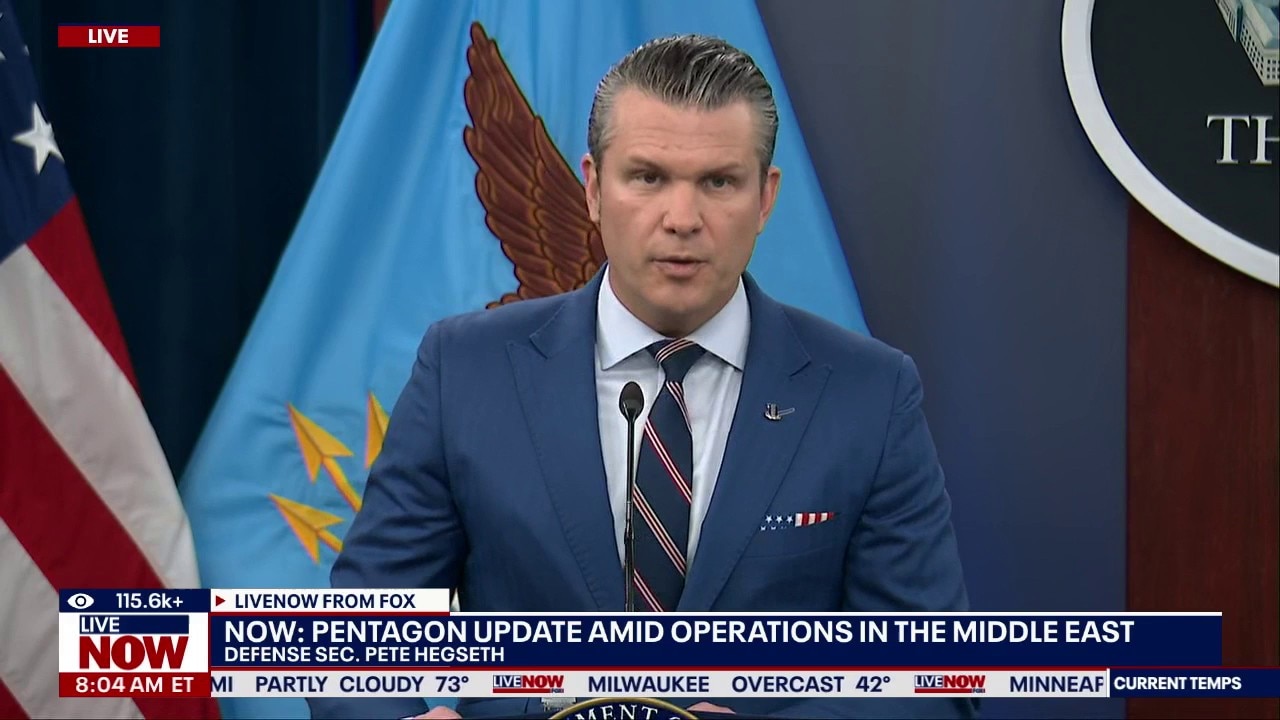
About 140 U.S. service members wounded (108 returned to duty, 8 severely injured) and seven U.S. soldiers killed in recent strikes, as the conflict with Iran enters its 11th day. The Pentagon estimates the first 2 days cost roughly $5 billion in munitions; threats to the Strait of Hormuz and continued strikes have driven oil price volatility and prompted mixed market reactions (oil initially eased, U.S. equities rose on hopes of a short conflict). Policy risks include potential expanded sanctions and military escalation, increasing near-term market and energy-price risk.
The immediate market reflex — risk-off positioning and commodity whipsaw — masks a more granular industrial effect: guided‑munition and precision‑electronics supply chains will see a near-term inventory-to-production gap. That gap creates pricing power for tier‑1 contractors with domestic manufacturing footprint and spare‑parts OEMs (precision gyros, RF GaN, chipset suppliers) while straining long‑lead suppliers whose backlog and lead times can amplify realization timing by 3–9 months.
Political and fiscal dynamics are the dominant catalysts over the next 0–12 months. Two binary outcomes matter: (A) a de‑escalation path that curtails procurement urgency and deflates defense order timing within 30–90 days, and (B) front‑loaded replenishment plus a push for supplemental appropriations if operations persist — boosting bookings in the next 3–12 months but creating revenue visibility cliffs thereafter. A mid‑term wild card is the outcome of any high‑profile investigative report; a finding that constrains operations would compress multiples and widen funding friction within weeks.
Consensus positioning appears to price an extended geopolitical malaise; that view is partially overstated for contractors with ready production capacity but understated for companies reliant on single‑source foreign components. Practically, this creates asymmetric short‑dated volatility trades and selective multi‑quarter directional exposure: capture premium from headline risk near term while taking measured directional exposure to replenishment orders 3–12 months out, keeping downside capped to political/contract risk.
AI-powered research, real-time alerts, and portfolio analytics for institutional investors.
Overall Sentiment
strongly negative
Sentiment Score
-0.70
Ticker Sentiment
