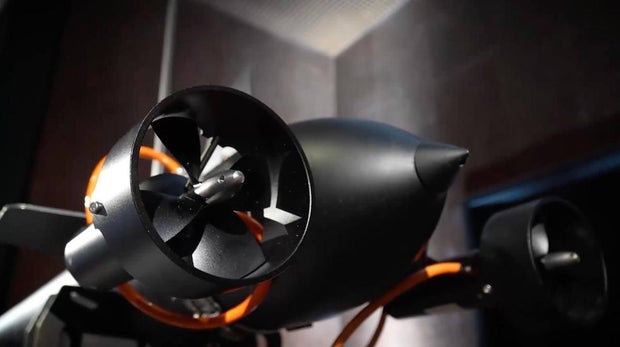
The Strait of Hormuz remains almost entirely closed after Iran laid mines across it in March, threatening the flow of roughly 20% of global energy that normally transits the waterway. The article highlights a gap in U.S. mine-countermeasure capabilities and points to Ukrainian demining drones, including Toloka's TLK-150, as a potential solution because of their longer range and resistance to GPS jamming. The situation is geopolitically significant and could keep energy shipping disrupted for months.
This is less a pure defense procurement story than a short-duration supply-chain shock to global energy logistics. If the Strait stays impaired for weeks, the market will price not just higher crude and LNG, but a widening of freight, marine insurance, and working-capital costs across all Gulf-linked trade lanes. The key second-order effect is that mine clearance capability becomes a strategic choke point: whoever owns the sensor stack, autonomy, and jamming resistance can monetize a narrow but high-value bottleneck under crisis conditions.
GD and RTX are in an awkward middle zone: they benefit from urgency around mine countermeasures, but they are also the incumbents most exposed to the critique that legacy systems are too slow, too metallic, and too vulnerable to electronic warfare. That creates an opportunity for smaller unmanned-systems vendors and AI-navigation specialists to win share over the next 12-24 months, especially if the Pentagon fast-tracks nontraditional procurement. The market may underappreciate that the real winner is not the shipbuilder; it is the software/autonomy layer that can be rapidly certified and iterated under jamming conditions.
The contrarian view is that the headline risk is immediate but the capacity bottleneck is also self-correcting: if oil spikes enough, political pressure will force an acceleration of alternate routing, escorting, and allied mine-clearing support within days to weeks. That caps the duration of the extreme trade, but not the re-rating of defense autonomy winners. The cleanest medium-term catalyst is a U.S. procurement exception or emergency foreign military sale that validates Ukrainian-style systems; absent that, the U.S. may keep overpaying for older platforms while the market misses the faster-growing software-defined underwater segment.
AI-powered research, real-time alerts, and portfolio analytics for institutional investors.
Request DemoOverall Sentiment
mildly negative
Sentiment Score
-0.15
Ticker Sentiment
