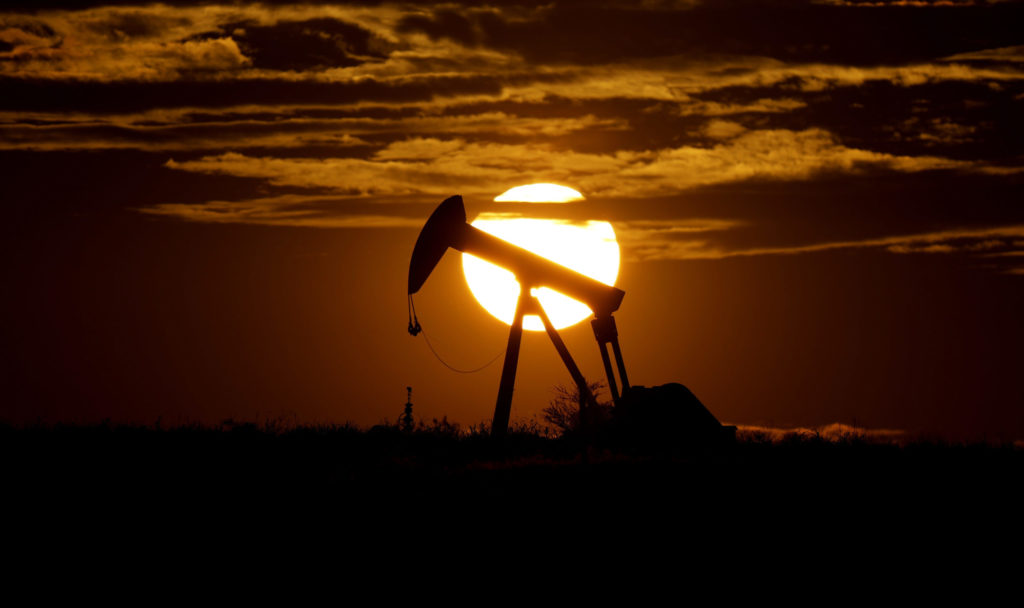
Traffic through the Strait of Hormuz has fallen to a virtual standstill, leaving roughly 600 million barrels of oil undelivered since the end of February and disrupting about 20 million barrels per day of crude plus 4-5 million barrels per day of refined products. Karen Young described it as the largest supply shock to energy markets ever experienced, with Asia already seeing shortages and demand controls, while Europe and North America face rising gasoline, jet fuel, and petrochemical costs. The disruption is expected to feed inflation and could take months to normalize even after the strait reopens.
The key market implication is not just higher crude—it is a forced re-pricing of reliability across the entire physical energy complex. When shipping security degrades, the winners are assets with optionality and nearby delivery flexibility: US Gulf Coast refiners, inland pipeline systems, and producers with domestic takeaway optionality. The losers are not only airline and chemical margins; it is also any balance sheet dependent on imported middle distillates or feedstock continuity, which creates a second-order squeeze in petrochemical packaging, tires, and industrial consumables before headline CPI fully reflects it.
The inflation transmission is likely to be asymmetric and lagged. Consumers see gasoline first, but the more durable macro shock comes from jet fuel and diesel shortages that hit freight, agriculture, and air cargo over 4–12 weeks, then cascade into restocking delays and margin compression for retailers. That means the real earnings risk is not just energy names rallying; it is forward guidance cuts in transport, chemicals, consumer staples, and industrials as working capital needs rise and service-level penalties compound.
The underappreciated catalyst is policy response: once disruption begins to impair Europe and Asia more visibly, governments will lean on strategic inventories, diplomatic pressure, and possibly subsidized procurement, which can blunt the spot move but extend the duration of the distortion. The market is likely underpricing how long operational normalization takes after any reopening because upstream, storage, and loading infrastructure cannot restart in parallel. That makes this more attractive as a volatility and relative-value event than a pure directional oil trade.
AI-powered research, real-time alerts, and portfolio analytics for institutional investors.
Request TrialOverall Sentiment
strongly negative
Sentiment Score
-0.85
