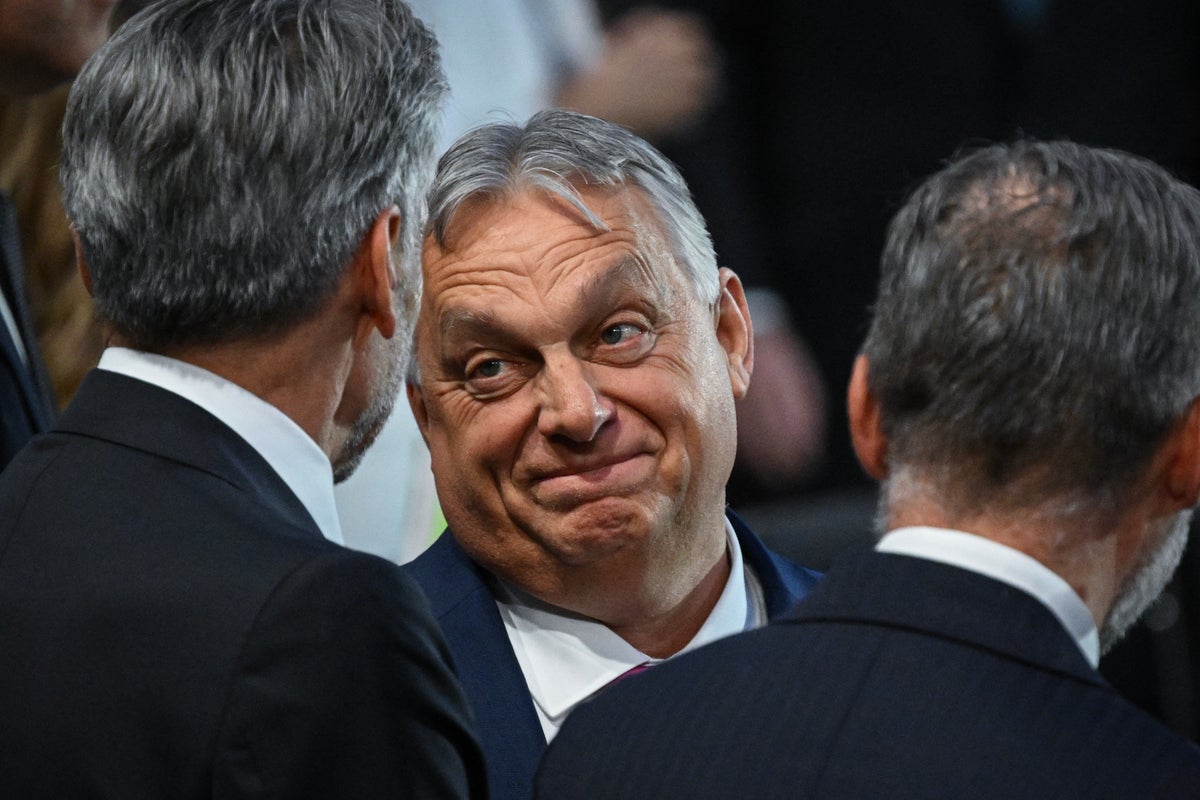
Peter Magyar’s landslide victory ends Viktor Orban’s 16-year rule in Hungary, removing a key EU veto point that had blocked a proposed €90bn support package for Ukraine. The article argues this makes the EU a firmer and more reliable ally for Kyiv at a critical moment, while also weakening pro-Putin influence in Europe. It further notes elevated oil and natural gas prices are boosting Russia’s economy, making additional European support more consequential.
The market implication is less about a single country politics headline and more about removal of a blocking node in Europe’s funding and procurement chain. If the EU can actually deploy support without repeated veto risk, the first-order beneficiary is not just Kyiv but the entire industrial base tied to rearmament: ammo, air defense, drones, EW, logistics, and the sovereign debt market that will have to intermediate the bill. That makes this a medium-duration catalyst, not a one-day event: the valuation rerate should show up over weeks as budget processes, issuance calendars, and procurement awards become visible. Second-order, the biggest swing factor is energy and financing. Higher oil and gas prices extend Russia’s fiscal runway, so any improvement in Ukrainian funding only matters if Europe simultaneously closes the gap with faster disbursement and better liquidity. That argues for trading this as a relative-value basket: long European defense/munitions and select Eastern European assets that benefit from reduced geopolitical discount, while staying cautious on EU sovereigns most exposed to a rising deficit burden from Ukraine support and rearmament. The contrarian risk is that the political optimism is front-running execution. EU solidarity often gets diluted into incremental tranches, legal disputes, and burden-sharing fights, which means the market may overprice near-term aid while underpricing how long it takes to convert policy into weapons and cash. Also, if energy prices stay elevated, the inflation impulse could cap multiple expansion for European cyclicals even as defense names keep working. In that sense, the trade is best expressed as a spread, not a beta bet.
AI-powered research, real-time alerts, and portfolio analytics for institutional investors.
Overall Sentiment
moderately positive
Sentiment Score
0.62
Ticker Sentiment
