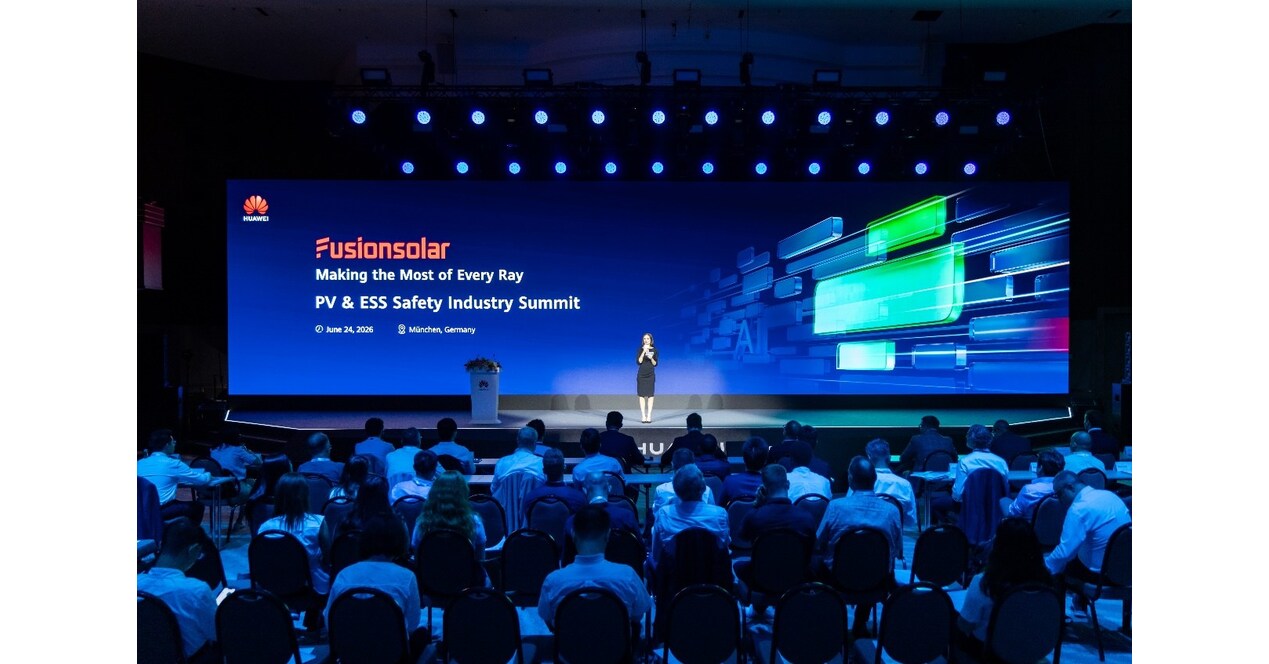
Huawei Digital Power lanceerde tijdens Intersolar Europe 2026 in München de PV & ESS Safety Industry Summit 2026, met focus op de veiligheidskloof bij grootschalige PV+ESS-uitrol en het tekort aan uniforme test- en informatiedata richting verzekeraars en hulpdiensten. In de discussie werd benadrukt dat Duitslands totale BESS-capaciteit circa 19 GW bedraagt en dat circa 70% van de BESS-defecten op systeemniveau ontstaat, waardoor testnormen moeten verschuiven richting systeem- en installatieniveau inclusief kettingbrandscenario’s. Het event presenteerde een Grid-Forming ESS Safety White Paper en pleitte voor kwantitatieve veiligheidsbeoordeling over de volledige levenscyclus (van “Zone B” naar “Zone C”) en betere digitale/informatiekoppelingen om zowel brandrisico als financiële schade beter te beheersen.
This is less a near-term earnings catalyst for WTW than a signal that insurance is becoming a gating item for utility-scale storage economics. The brokerage/advisory layer should benefit first: the more project sponsors need quantitative risk models, design validation, and bespoke coverage structures, the more pricing power shifts to firms that can translate engineering into insurable terms. That said, the revenue opportunity is real but incremental; this is more about mix improvement and stickier advisory demand than a step-change in commissions.
The bigger second-order effect is a widening moat for large, well-tested ESS platforms and a higher hurdle rate for smaller integrators. If insurers start insisting on full-scale test data and lifecycle monitoring, marginal projects will face higher premiums, delayed CODs, or even financing pullbacks, which can compress deployment volumes before it shows up in headline order books. Over 6-18 months, that tends to consolidate share toward bankable vendors and utility-grade platforms, while punishing commodity hardware suppliers and developers with weak telemetry or incident histories.
The contrarian read is that this is not inherently bearish for storage adoption. Standardization and insurability often expand the addressable market by making projects financeable for pension, infra, and project-finance buyers; the near-term friction can create a better long-run market structure. The key falsifier is whether insurers actually tighten terms: if we do not see higher premiums, stricter exclusions, or longer permitting cycles over the next 1-3 quarters, the signal is mostly noise.
For WTW specifically, the upside case is modest but cleaner than for most renewables-exposed names: more specialty-placement work, more risk-engineering retainers, and potentially more captive/structured risk solutions. The downside is that the market may overestimate the speed of monetization; without evidence of new energy-transition-related mandates or fee uplift, this remains a low-conviction relative-value story rather than a standalone alpha event.
AI-powered research, real-time alerts, and portfolio analytics for institutional investors.
Request DemoOverall Sentiment
neutral
Sentiment Score
0.05
Ticker Sentiment
