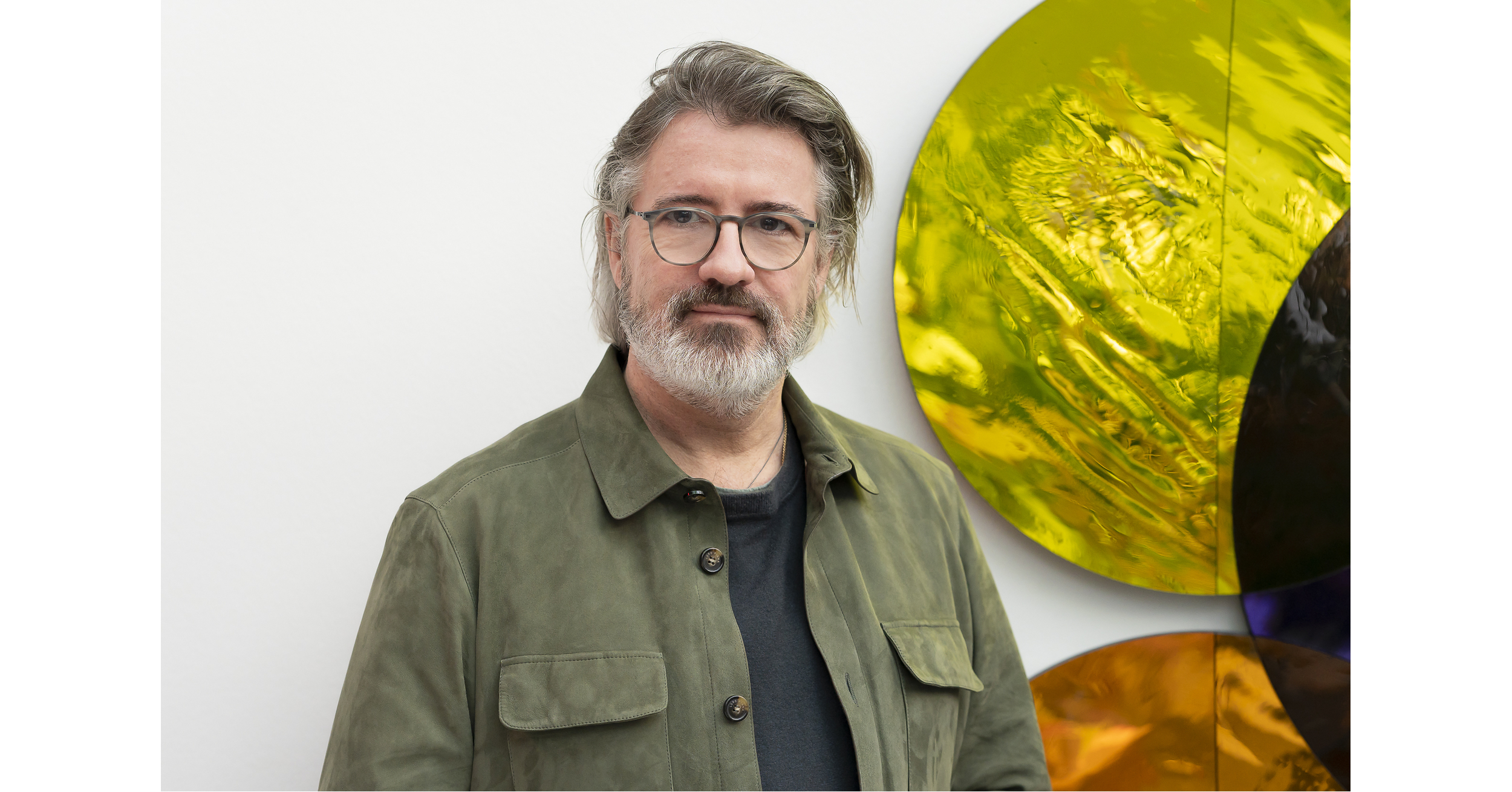
ARTIS Amsterdam Royal Zoo will reopen its renovated ARTIS-Aquarium in June 2026 and add Olafur Eliasson’s commissioned deep-sea multisensory installation to the new rotunda, scheduled for on-view dates starting October 3, 2026. The exhibit uses sound, light, and touch to simulate deep-ocean pressure and marine sounds, positioning the aquarium as an art–science–nature experience centered on water’s role across ecosystems.
This reads more like institutional brand-building than an investable demand shock. The economic value is mostly in attendance retention: a higher-conviction reason for locals, school groups, and repeat tourists to visit, which can modestly support membership and ancillary spend, but it is unlikely to move operating leverage unless it materially changes footfall for multiple seasons.
The second-order winner is the broader experiential-economy stack: AV integration, lighting, projection, and exhibit-design vendors that benefit when cultural institutions compete on immersion rather than static displays. That said, the installation is subsidized and one-off, so the commercial signal is weak; any benefit to hospitality or travel names is indirect and would show up only if Amsterdam city-break traffic improves around the reopening window.
The contrarian take is that investors may over-interpret the ESG/climate angle. This is not a hard-policy catalyst and does not imply meaningful revenue durability for anything outside the venue; the thesis is falsified if opening attendance does not beat the prior baseline or if the work generates media attention without converting to memberships, donations, or repeat visits over the next 1-3 months. Six to eighteen months out, only sustained programming would make this relevant to public-market exposure.
AI-powered research, real-time alerts, and portfolio analytics for institutional investors.
Request TrialOverall Sentiment
mildly positive
Sentiment Score
0.12
