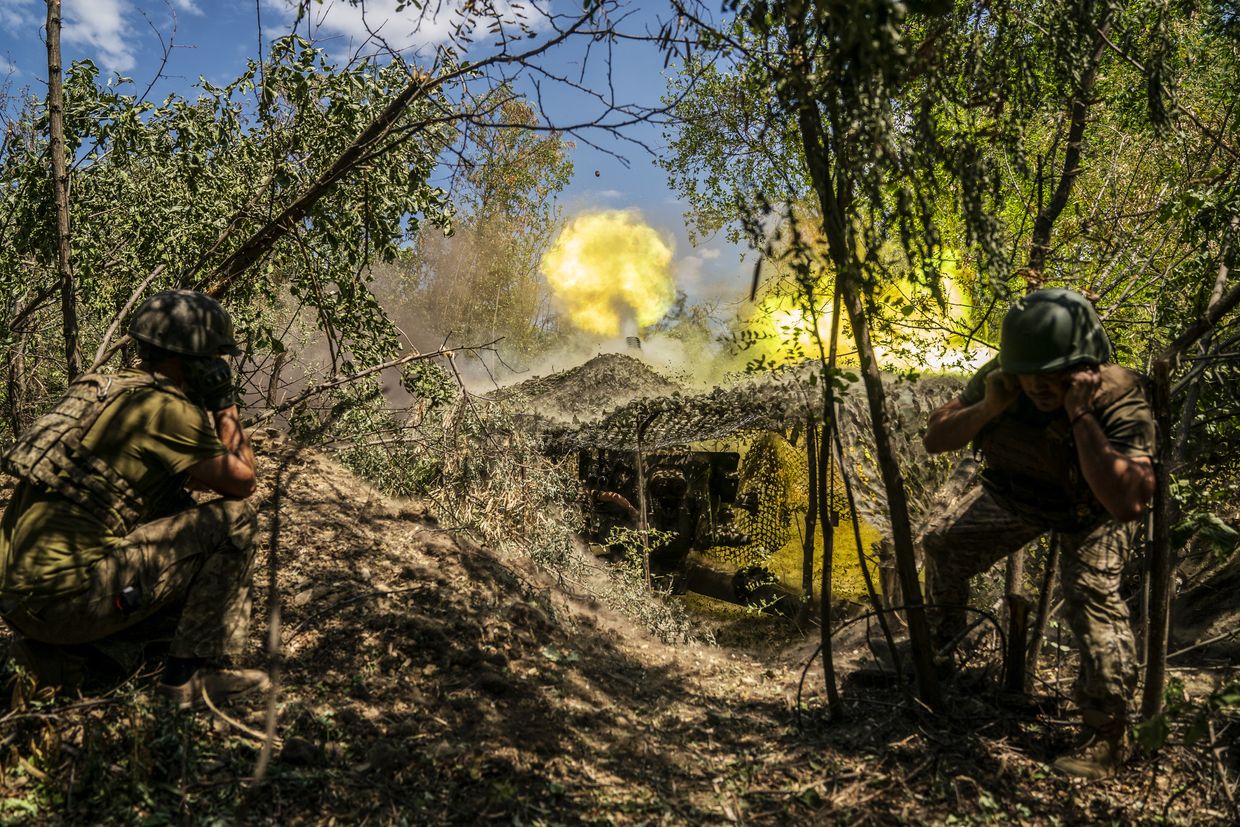
Active fighting persists around Ukraine's Shevchenko village in Donetsk Oblast, home to one of the country's largest and most promising lithium deposits, despite conflicting reports of Russian occupation. This strategic location, containing critical minerals vital for electric vehicle batteries and other high-tech applications, underscores the significant geopolitical stakes in the conflict, as Ukraine holds a third of the EU's lithium reserves and approximately 3% globally. The ongoing battle for control over such resources highlights critical mineral supply chain vulnerabilities and potential long-term impacts on global resource markets.
The intense and fluid military conflict around Shevchenko village in Donetsk Oblast represents a critical flashpoint for control over strategic mineral assets, not just a tactical engagement. The area contains the Shevchenkivske deposit, one of Ukraine's largest and most promising sources of lithium, a key input for electric vehicle batteries. The strategic importance is underscored by Ukraine holding an estimated one-third of the European Union's lithium reserves and around 3% of the global total, positioning the conflict's outcome as a significant variable for future critical mineral supply chains. While the deposit is considered a high-potential asset that could be efficiently operated by a single mine, its development is challenged by its classification in the highest geological complexity category. The presence of other valuable rare elements, including tantalum, niobium, and cesium, further elevates its strategic value. The recent U.S.-Ukraine minerals deal, which specifically references lithium, highlights preexisting international interest in these resources, meaning the ongoing battle directly injects significant geopolitical risk and uncertainty into the long-term outlook for European and global EV supply chains.
AI-powered research, real-time alerts, and portfolio analytics for institutional investors.
Overall Sentiment
moderately negative
Sentiment Score
-0.40
