A UN Security Council resolution for an international stabilization force in Gaza is anticipated within two weeks, though its implementation faces significant hurdles, including disputes over the force's mandate, US leadership, coordination with Palestinian police, and a timeline for Israeli withdrawal. While regional players like Turkey express willingness to contribute troops and Jordan offers to train Palestinian police, ongoing violence underscores the urgent need to fill the security and administrative vacuum. Arab states are pressing for a clear timeline for Israeli withdrawal and an international element to support a Palestinian government, which is deemed critical for regional stability and future reconstruction efforts, despite skepticism regarding the plan's overall success.
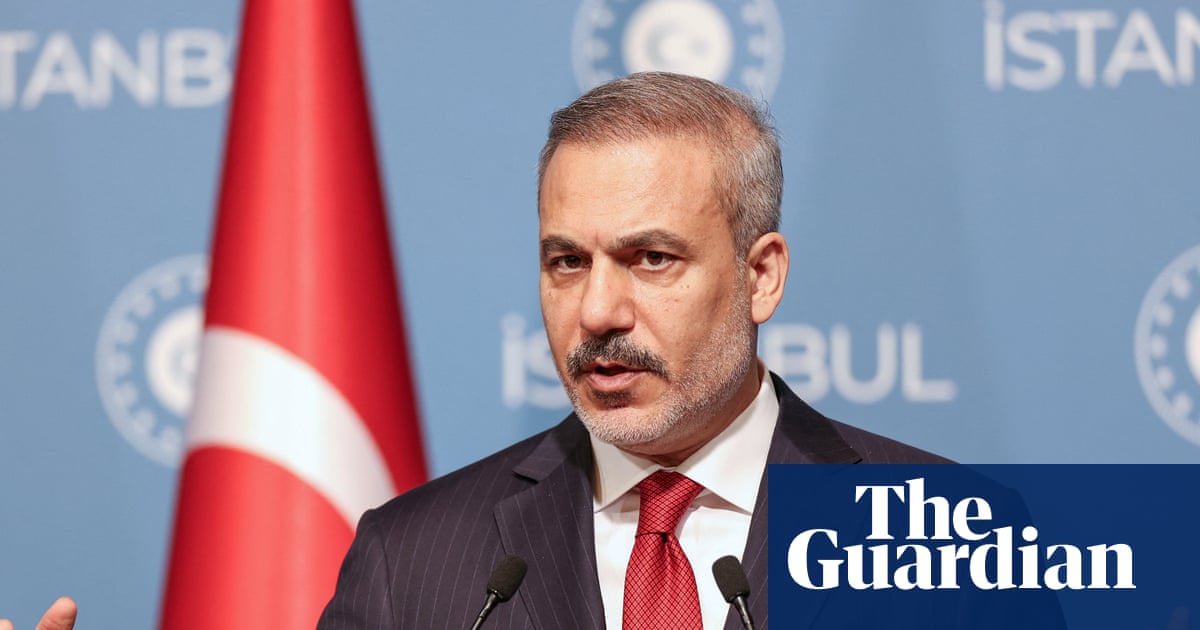
A UN Security Council resolution for an international stabilization force in Gaza is anticipated within two weeks, yet its implementation faces substantial hurdles. Disputes center on the force's mandate, potential US leadership, coordination with Palestinian civil police, and a clear timeline for Israeli military withdrawal. Turkish Foreign Minister Hakan Fidan indicated troop contributions are contingent on mission alignment, while Israel has rejected Turkey's participation due to its support for Hamas.
Continued violence, including 115 deaths and 352 injuries on Tuesday—the deadliest day since the October 10 ceasefire—underscores the critical need to fill the security and administrative vacuum. Arab states, notably Jordan, demand a timeline for Israeli withdrawal, arguing that Israel cannot occupy 53% of Gaza and expect stability. This complex situation is reflected in a "strongly negative" sentiment score of -0.65 and a "pessimistic" tone.
Despite some progress, a western diplomat expressed skepticism about the plan's overall success, highlighting the need for an international element to support a Palestinian government for credible security and governance. The absence of Egypt, a potential force leader, from key discussions further complicates regional consensus. The market impact score of 0.5 suggests moderate relevance, primarily due to the geopolitical instability and its potential for broader regional spillover.
AI-powered research, real-time alerts, and portfolio analytics for institutional investors.
Request DemoOverall Sentiment
strongly negative
Sentiment Score
-0.65
